flowers
The Stable, The Ground, The Secretion.
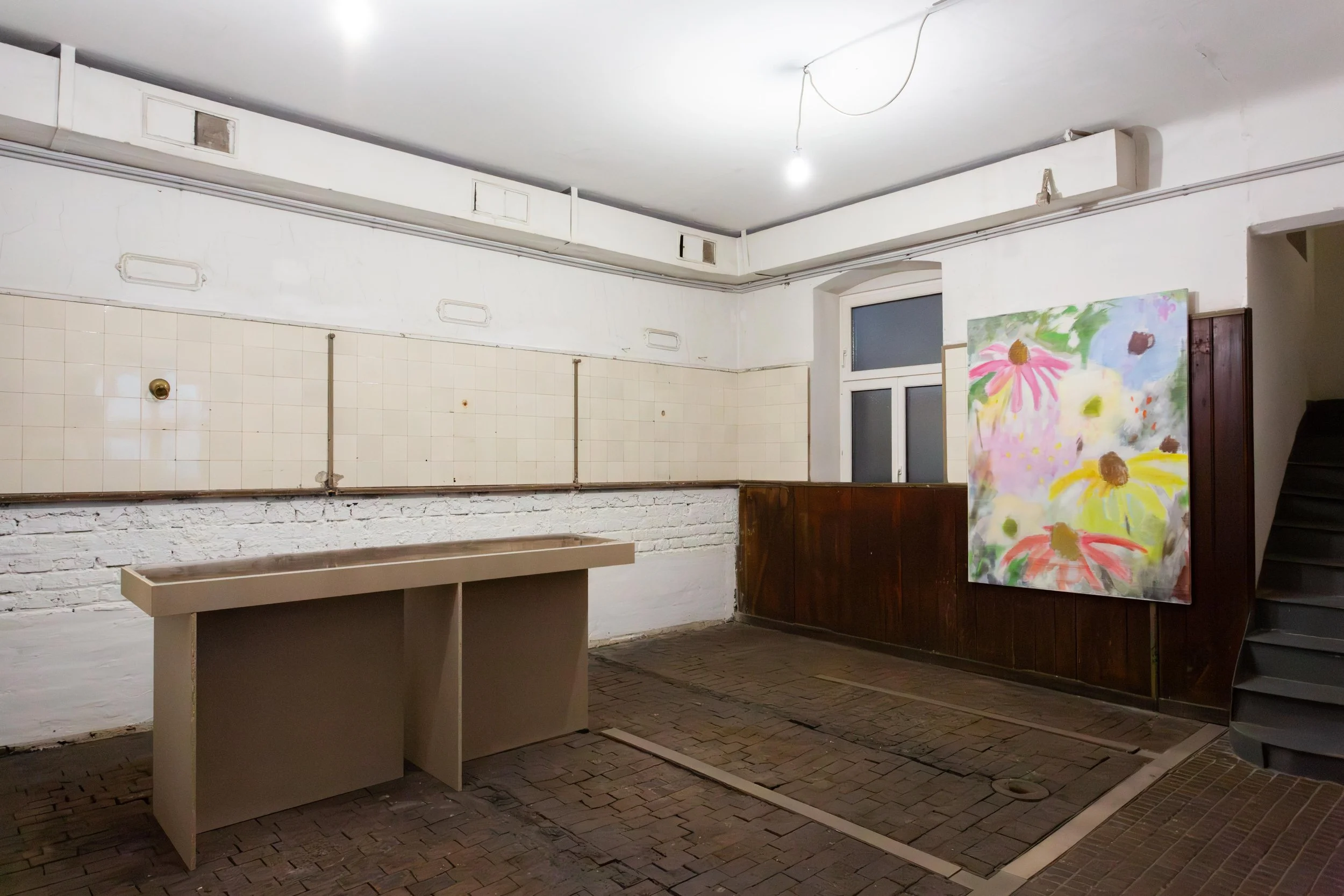
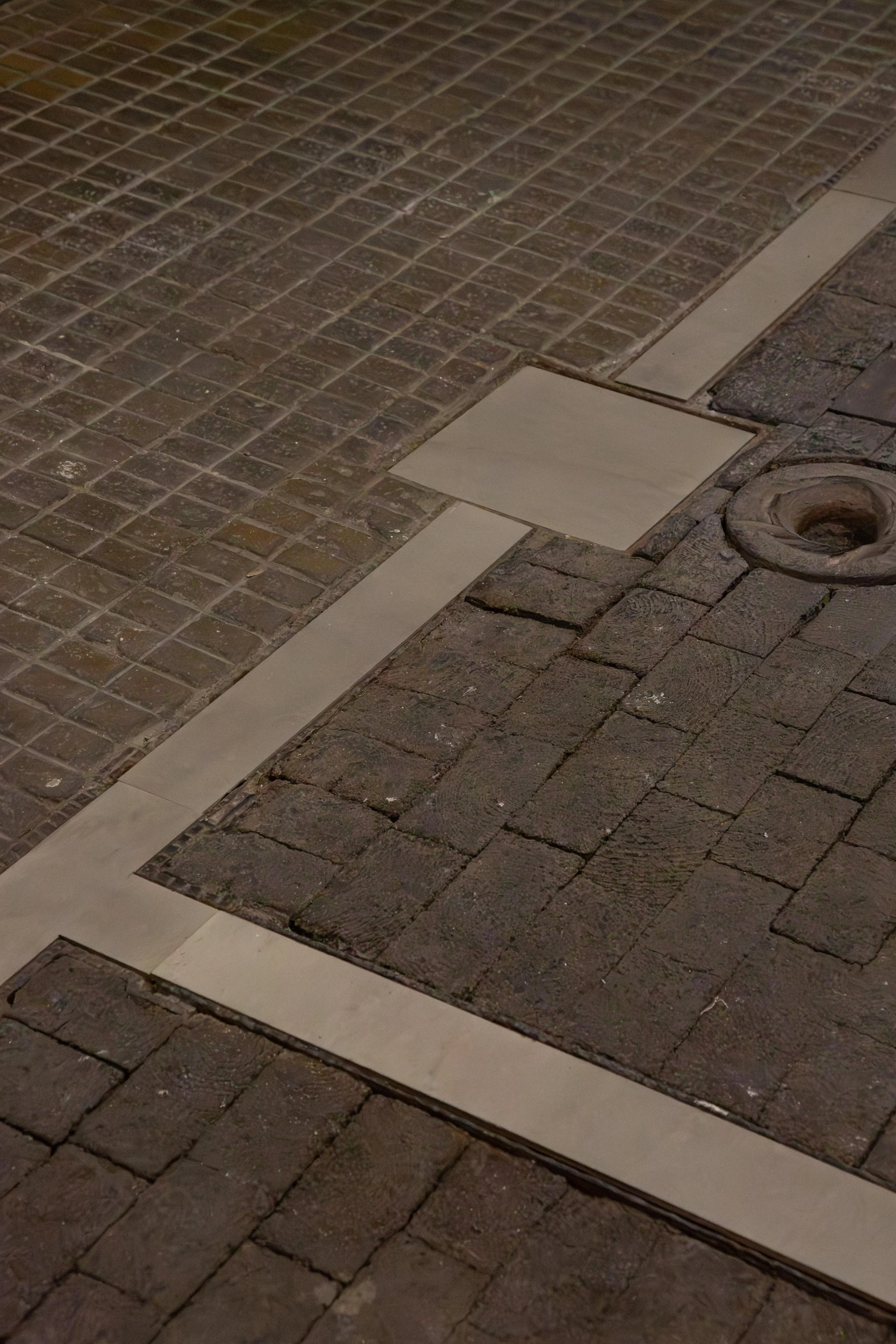
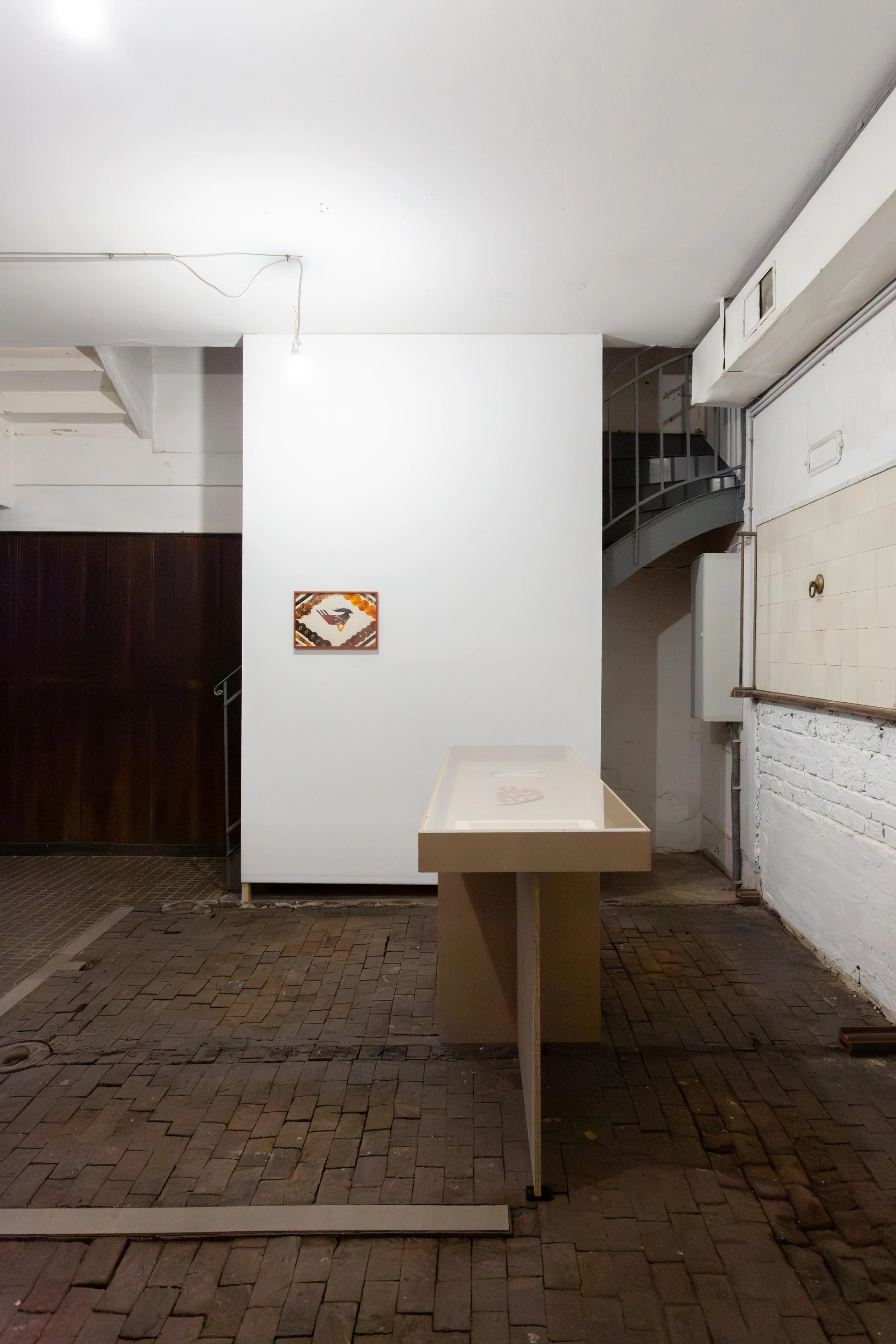
Food for the meadow. The ground of Palais Wernburg once held a small stable, where horses for the family’s carriages were kept. These horses did not produce. They appeared. They moved the household through the city, carrying visibility with them: ownership, status, presence extended into the street. That logic lingers. It returns in another form: visibility detached from production, movement detached from labour. Labour split into parts, tasks, and segments separated from sight. Work is broken down until only flow remains visible. Systems present themselves as continuous and self-operating, while the labour that sustains them is dispersed, outsourced, or hidden.
In this context, the site acts as a Vanitas still life, but without the consolation of aesthetics. Where 17th-century masters painted skulls and withered flora to expose the vanity of possession, here that function no longer operates as representation but as condition. The veneer of power does not merely signify mortality. It is actively breaking down in real time. What Vanitas once staged as image, decay beneath appearance, now operates materially. The ostentation of the industrialist and the technocrat is not simply reminded of its limits. It is subjected to them. The meadow becomes a field where accumulation and authorship lose stability, where the hierarchy of the “unique maker” dissolves into the compost of anonymous production. Here, Vanitas is no longer a motif but a system: a continuous machine of decomposition and redistribution.
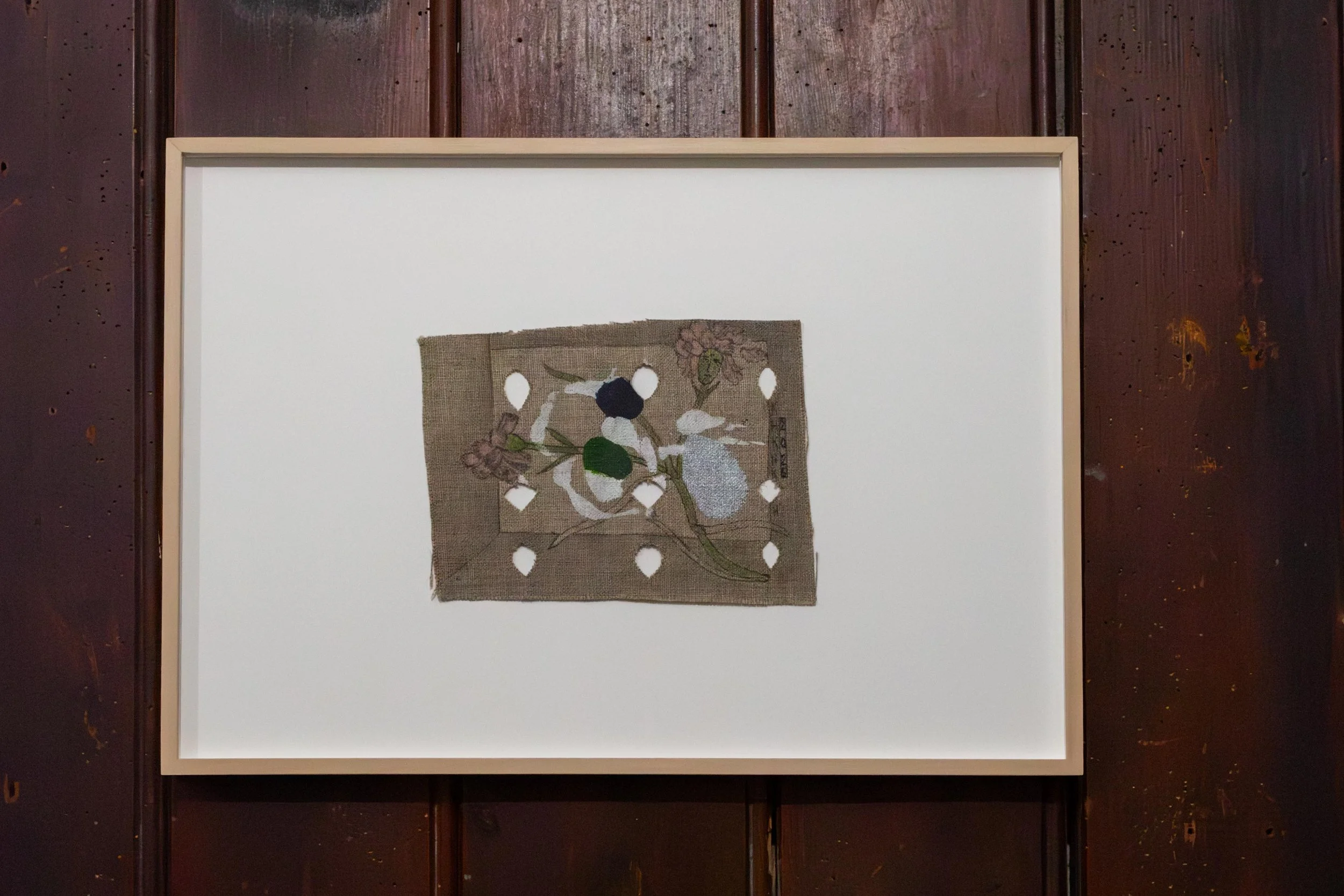
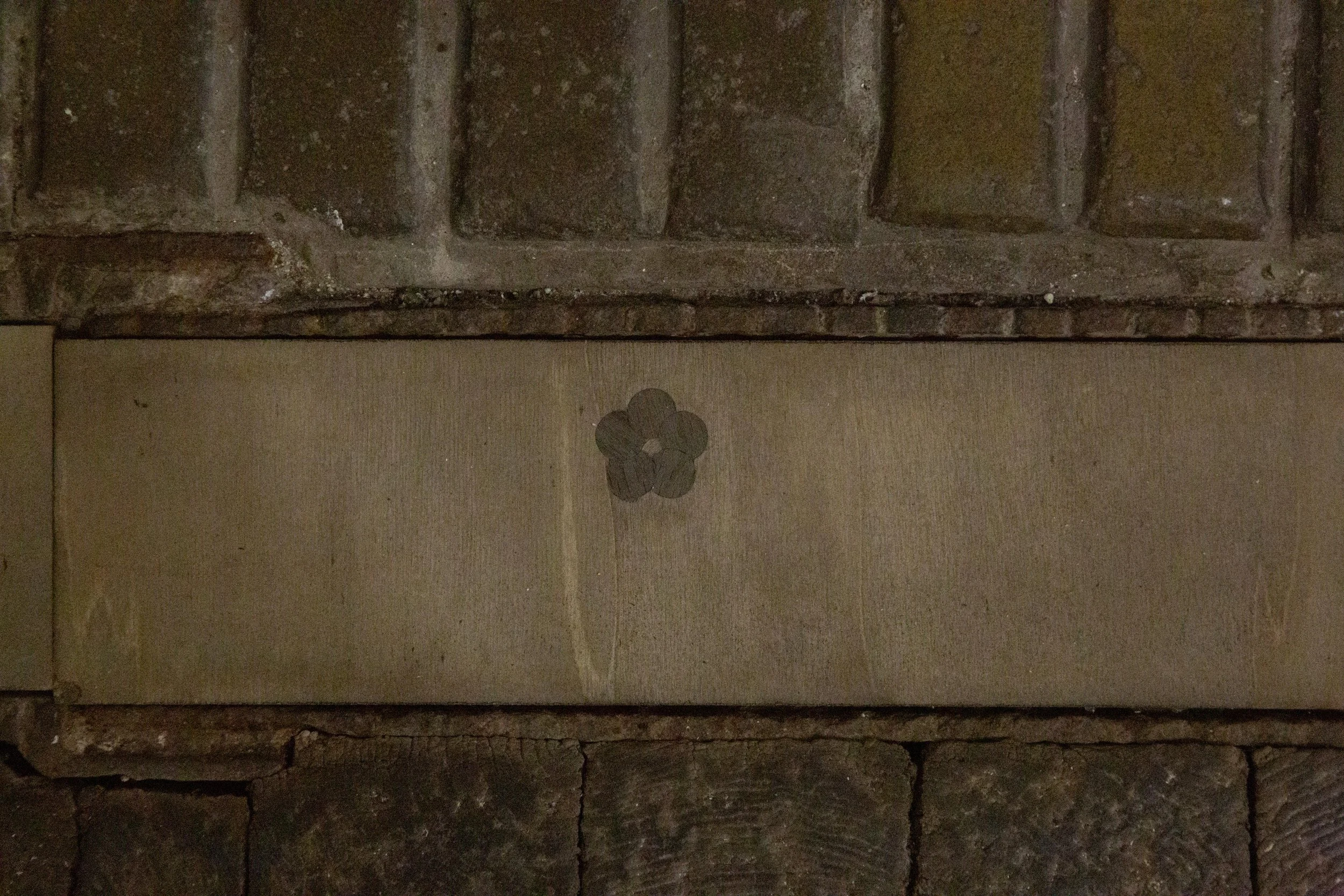
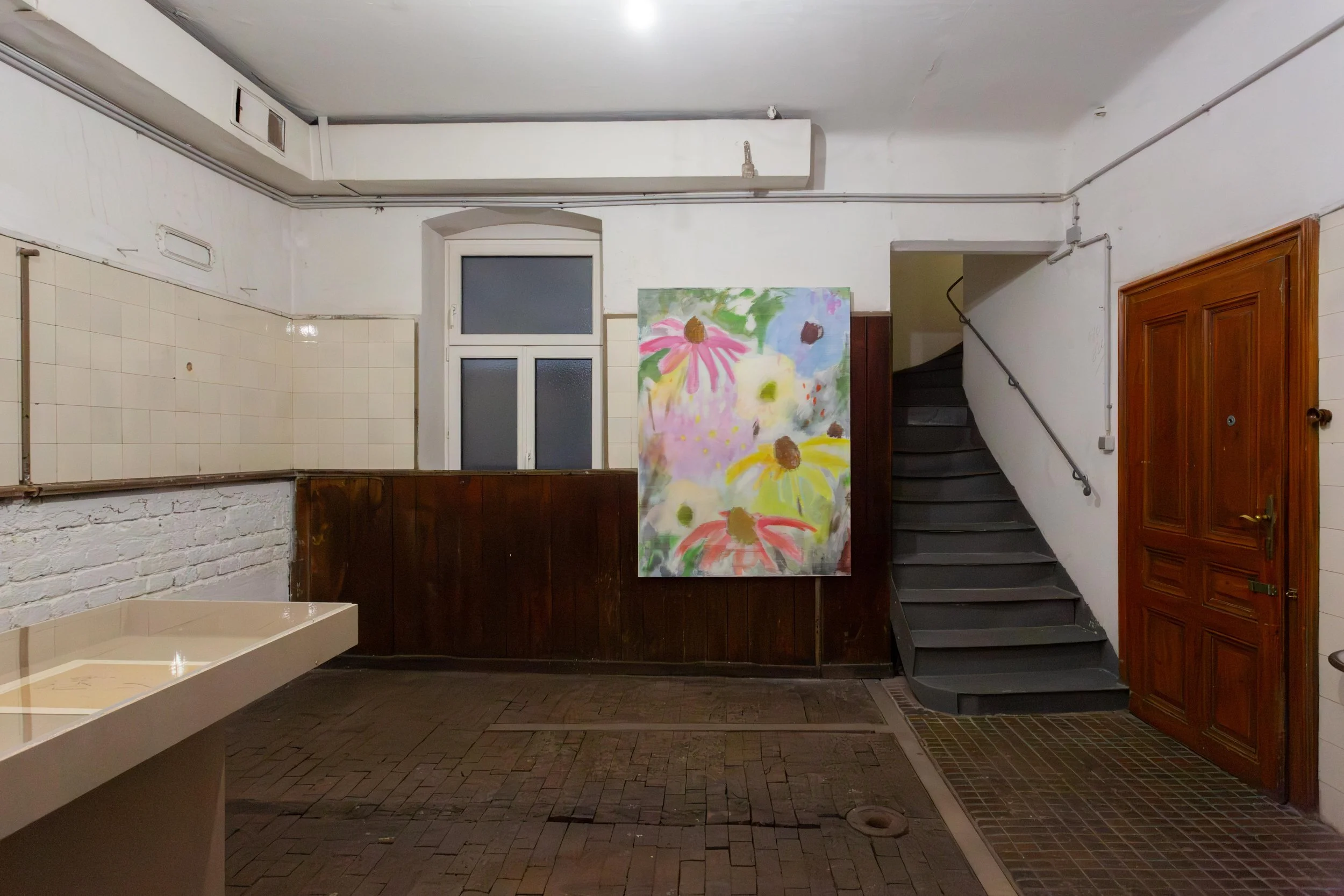
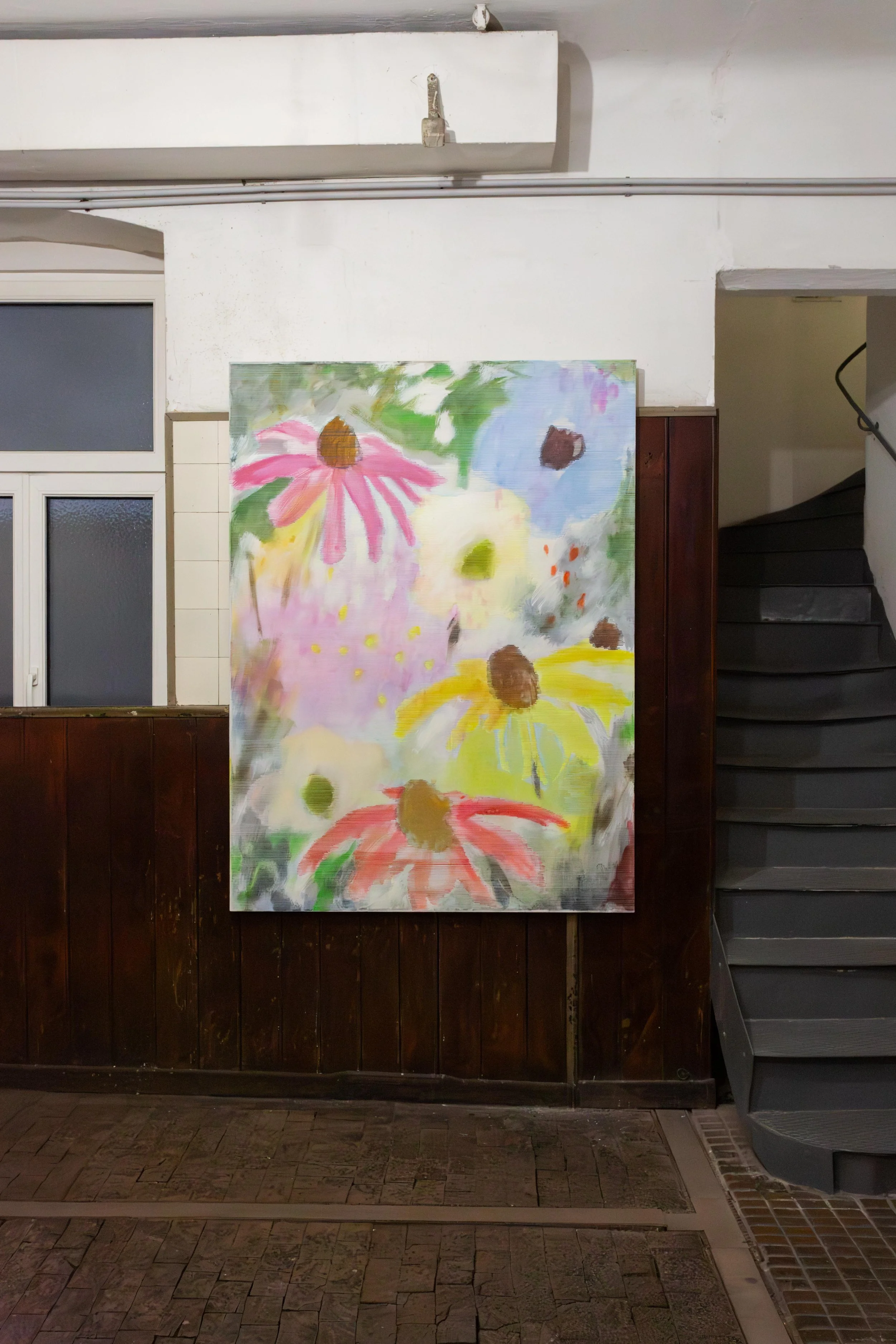
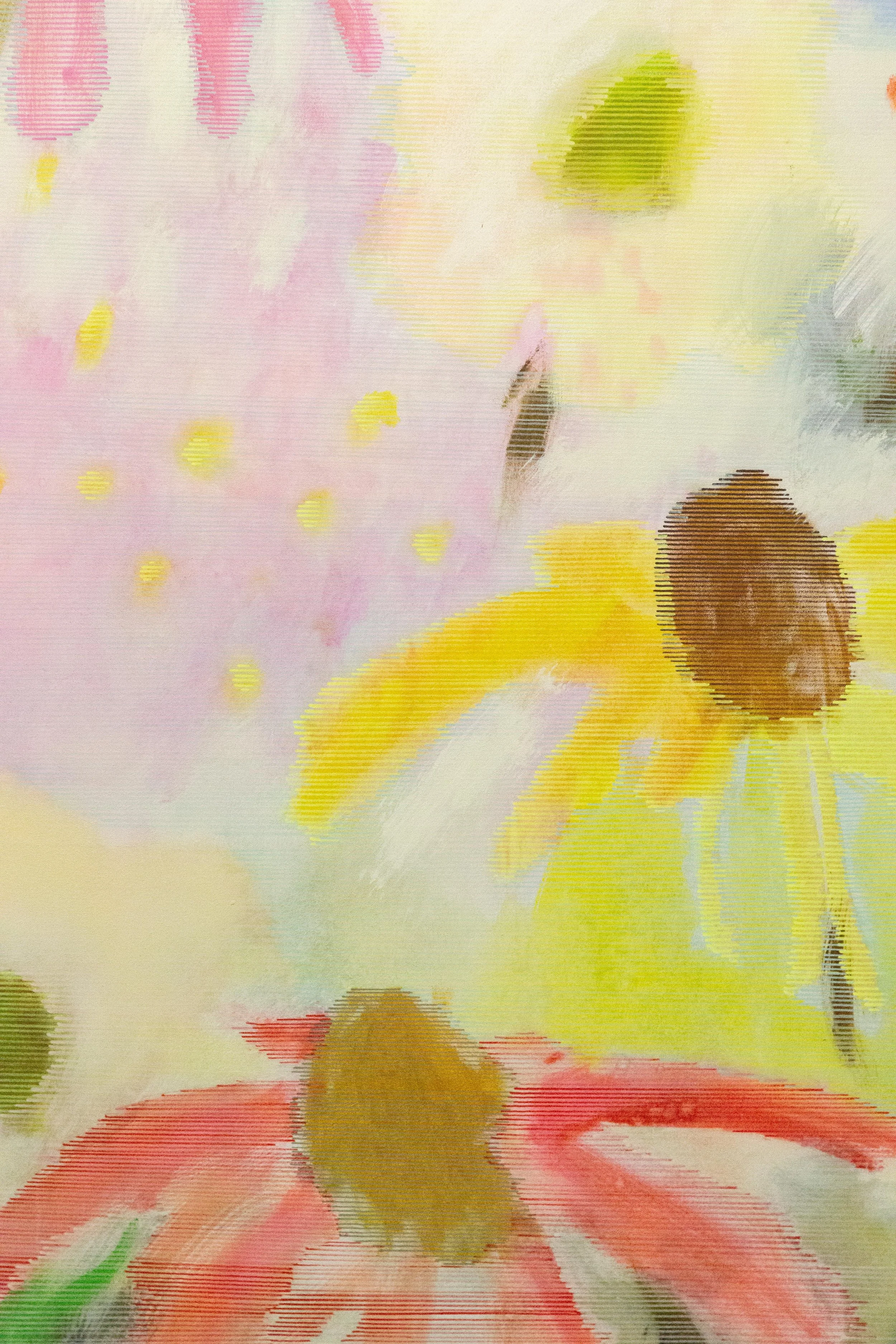
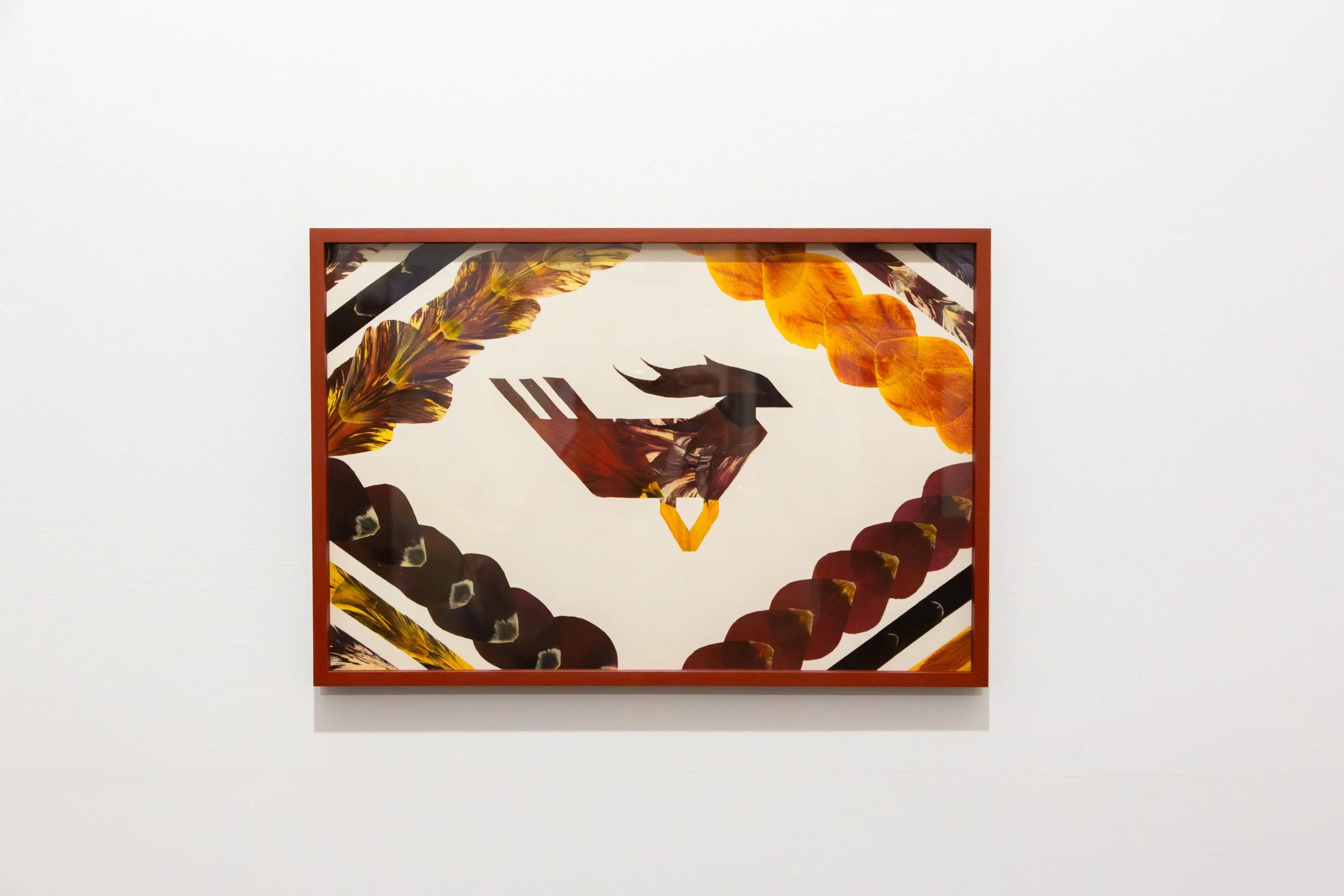
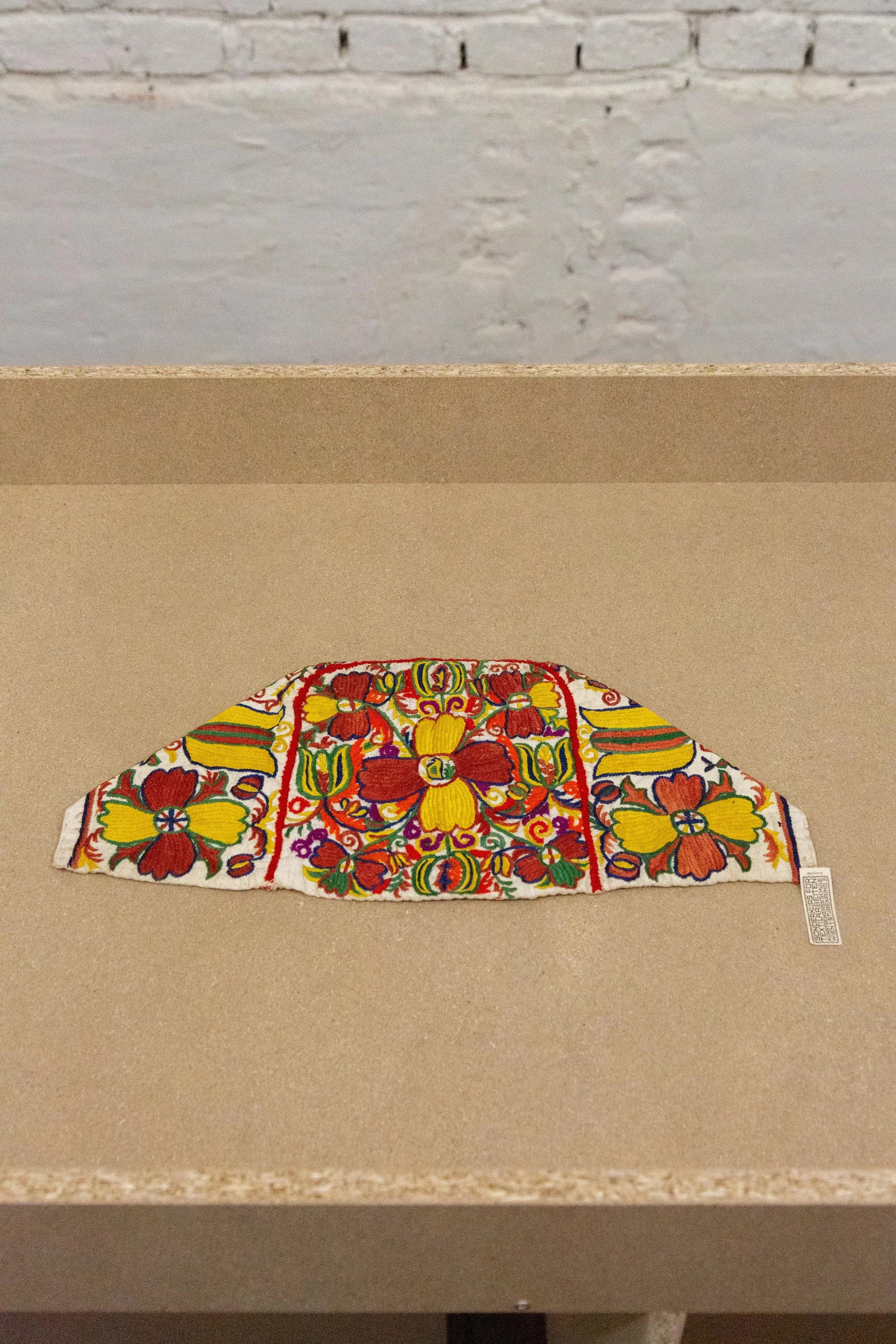
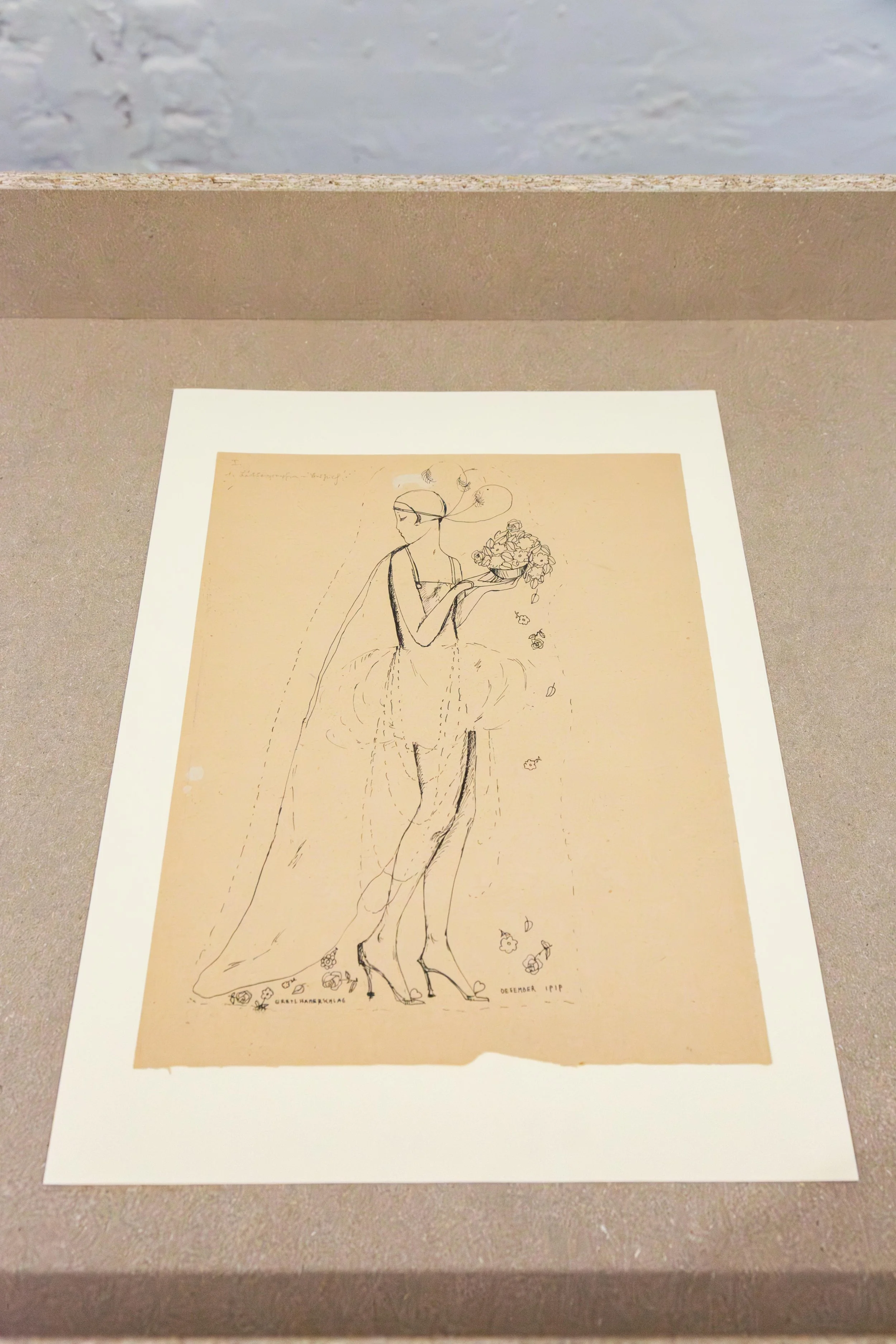
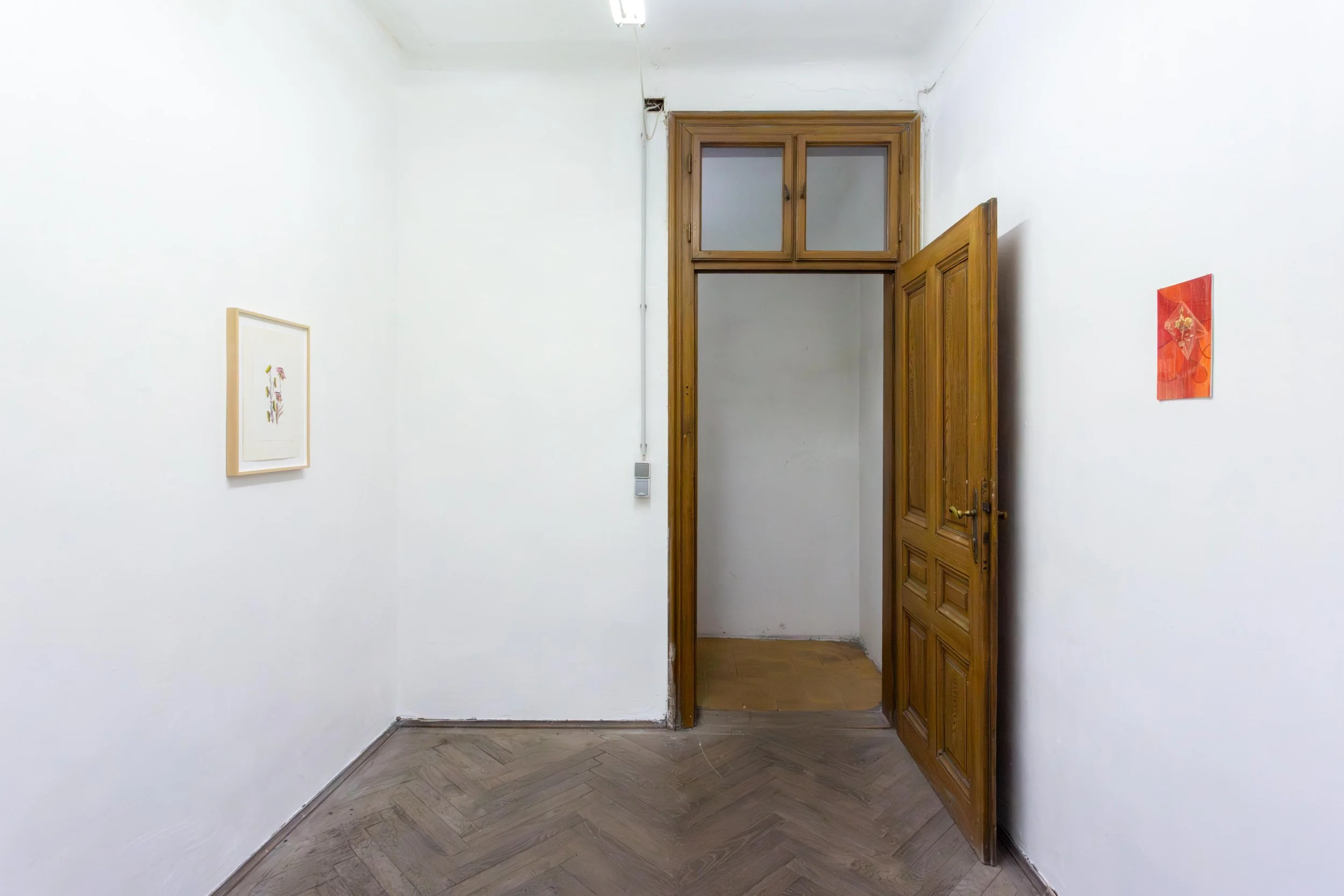
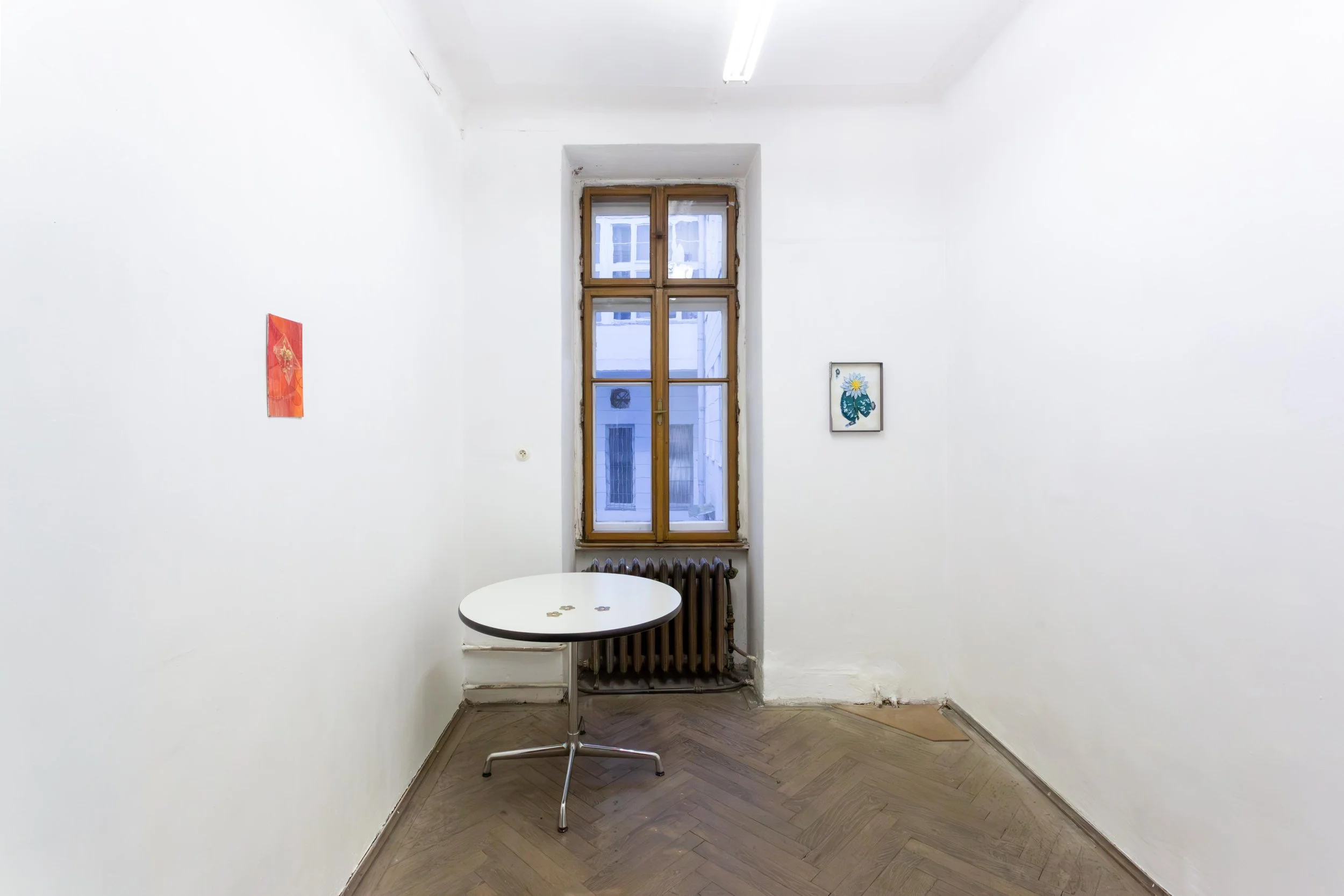
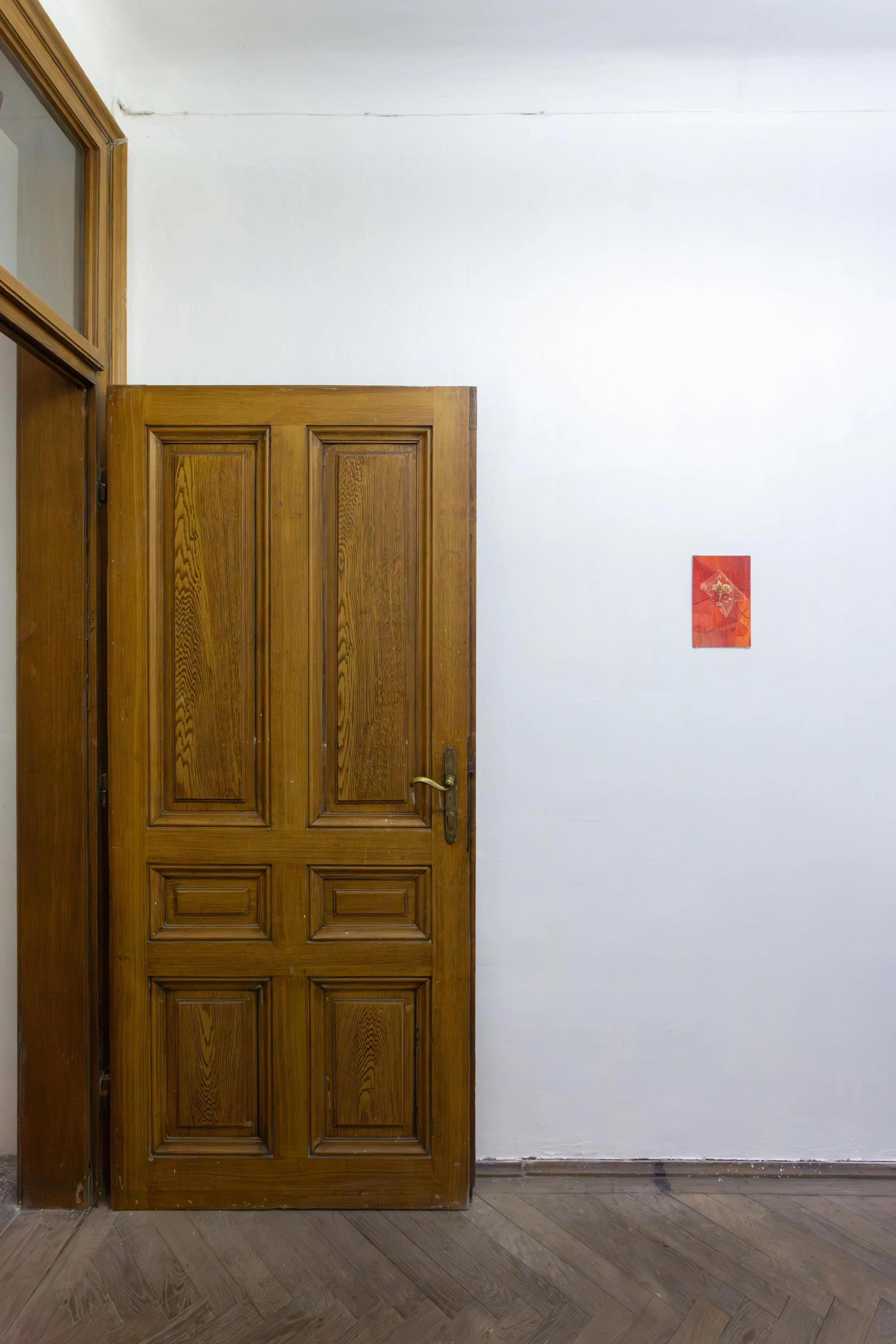
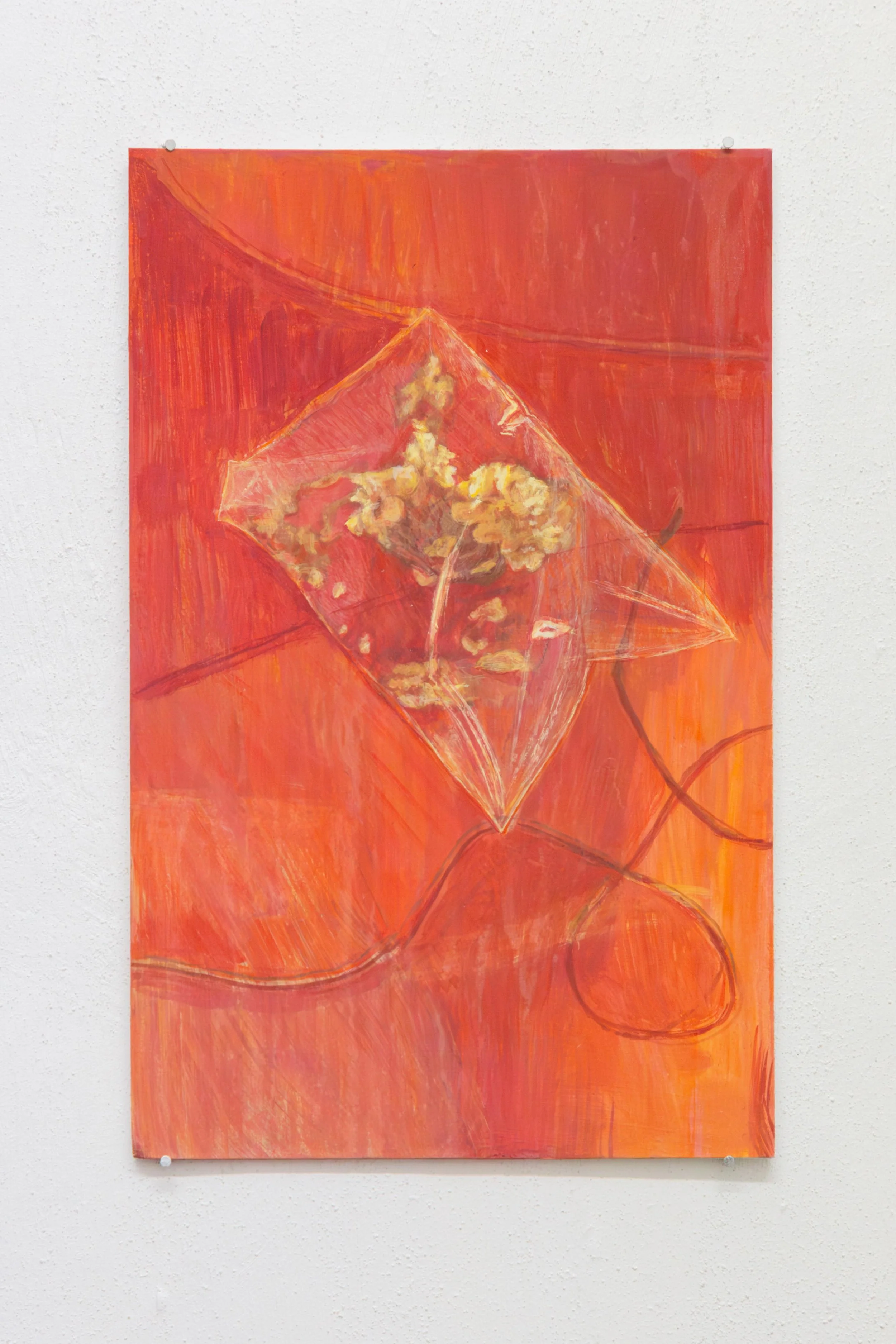
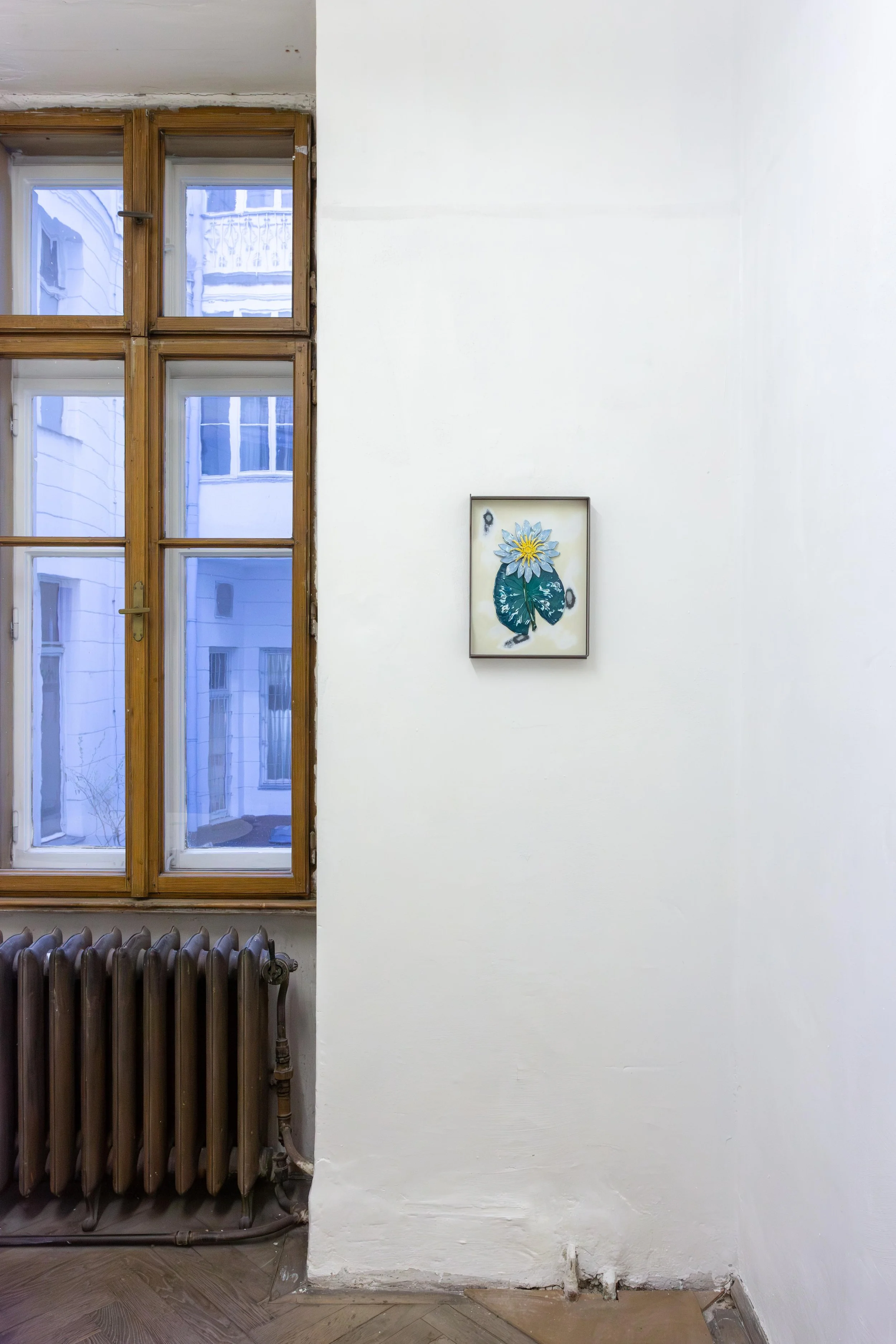
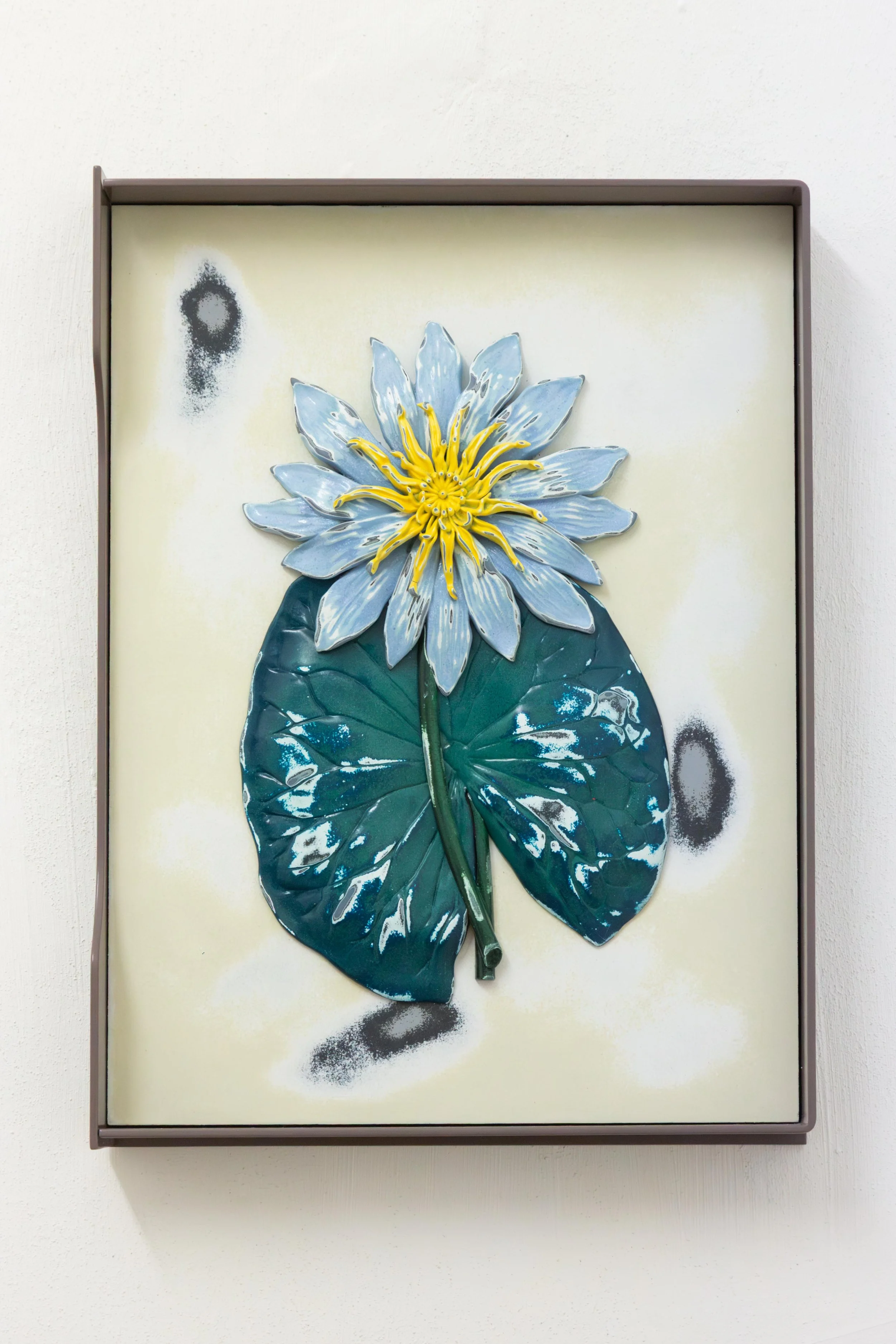
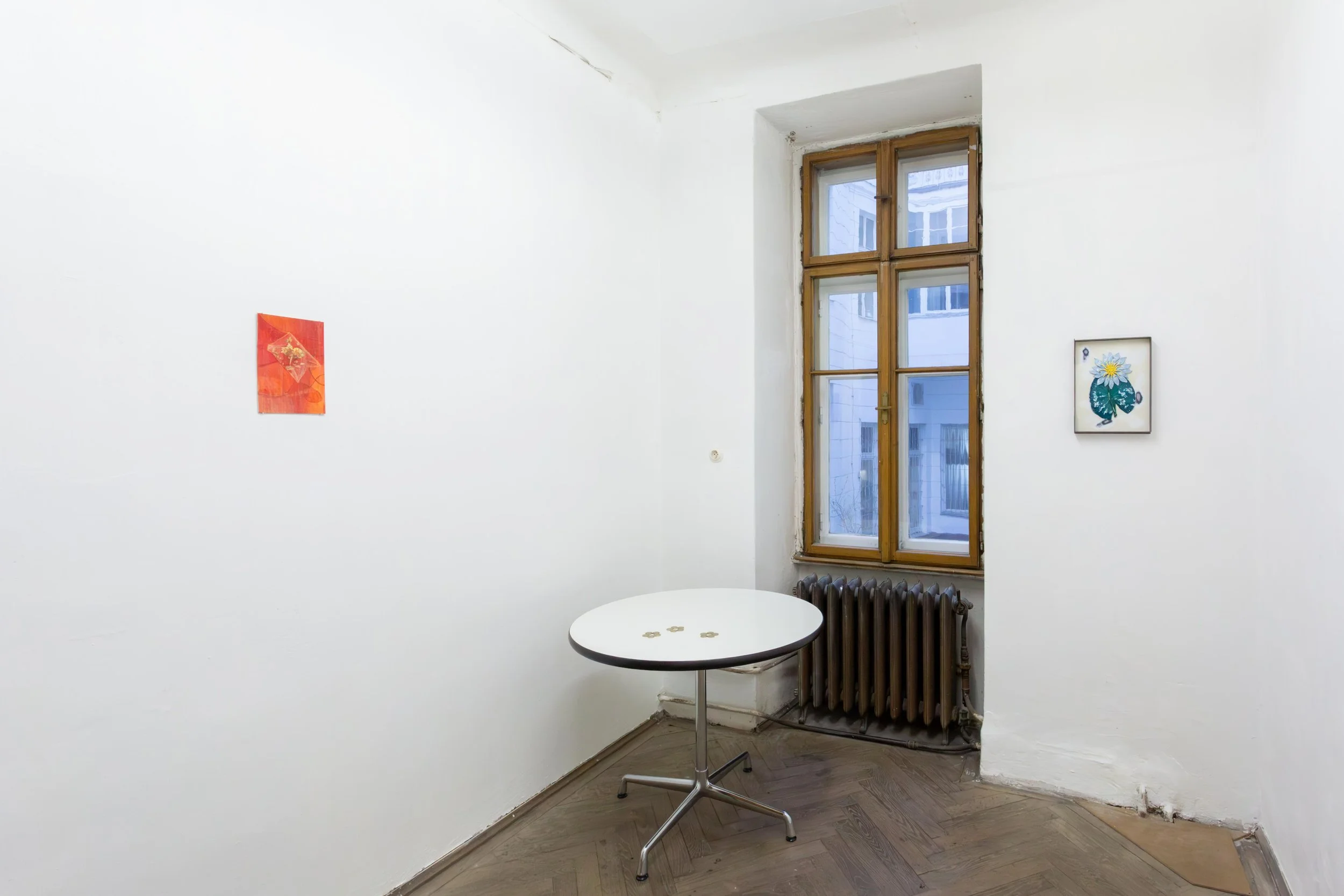
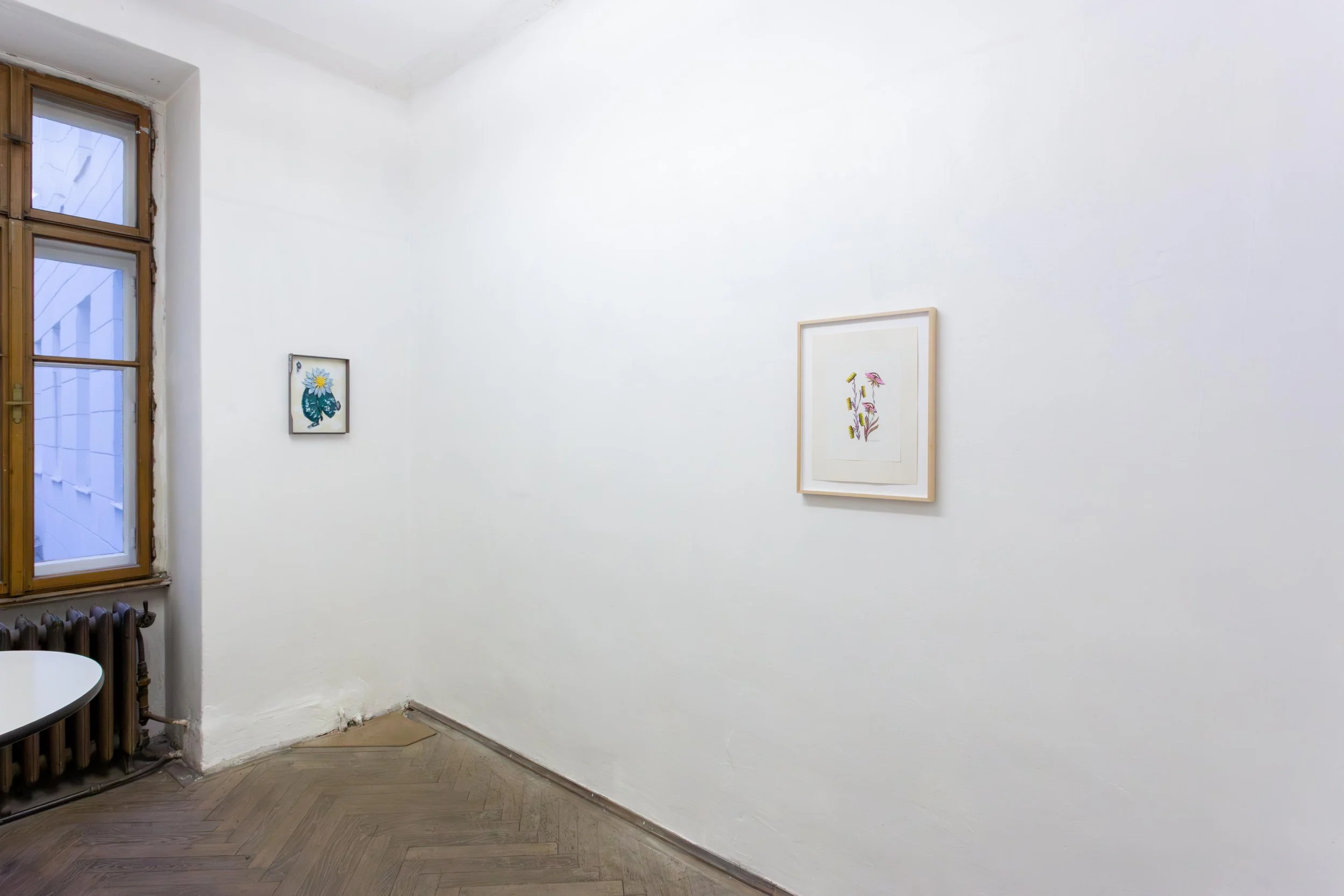
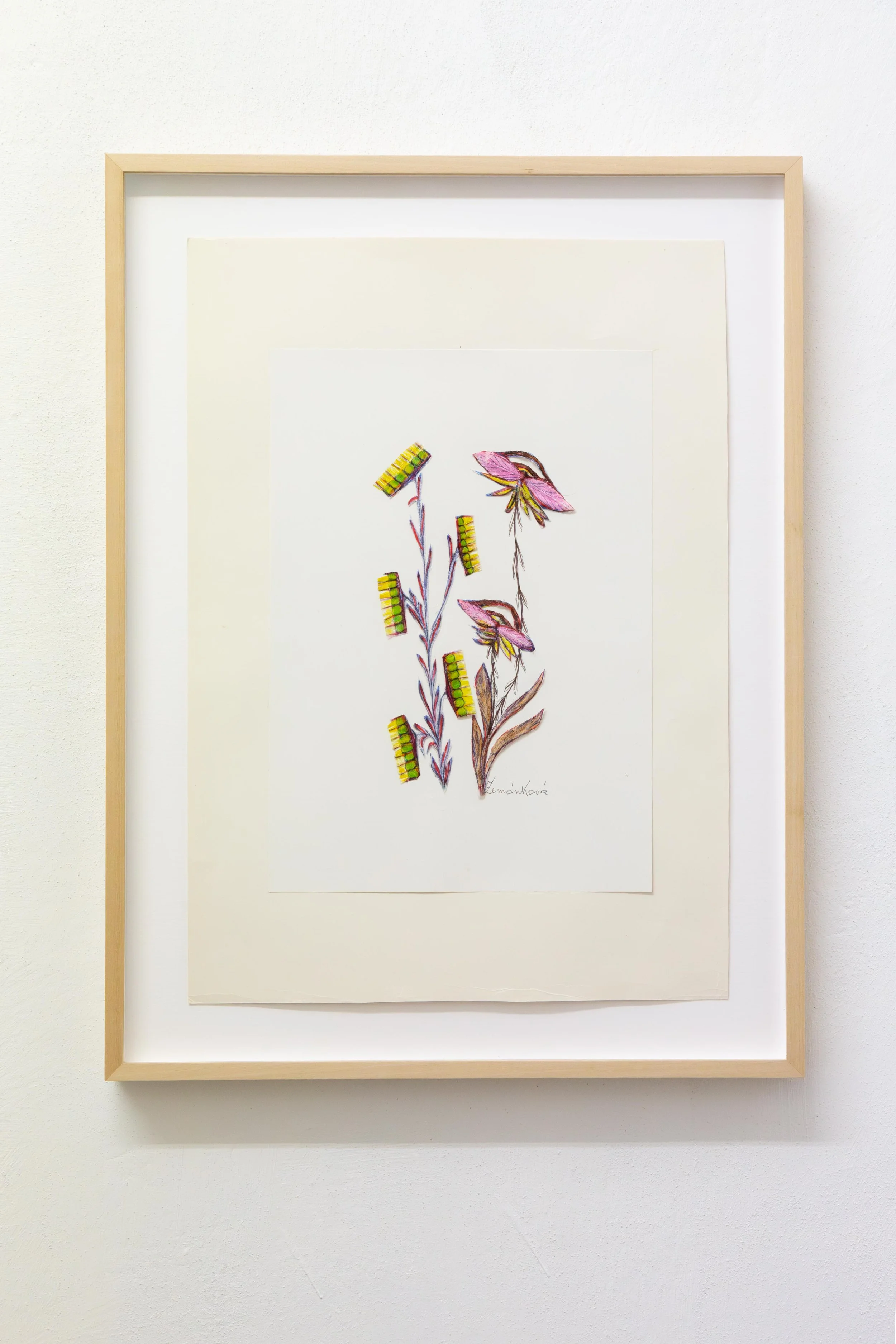
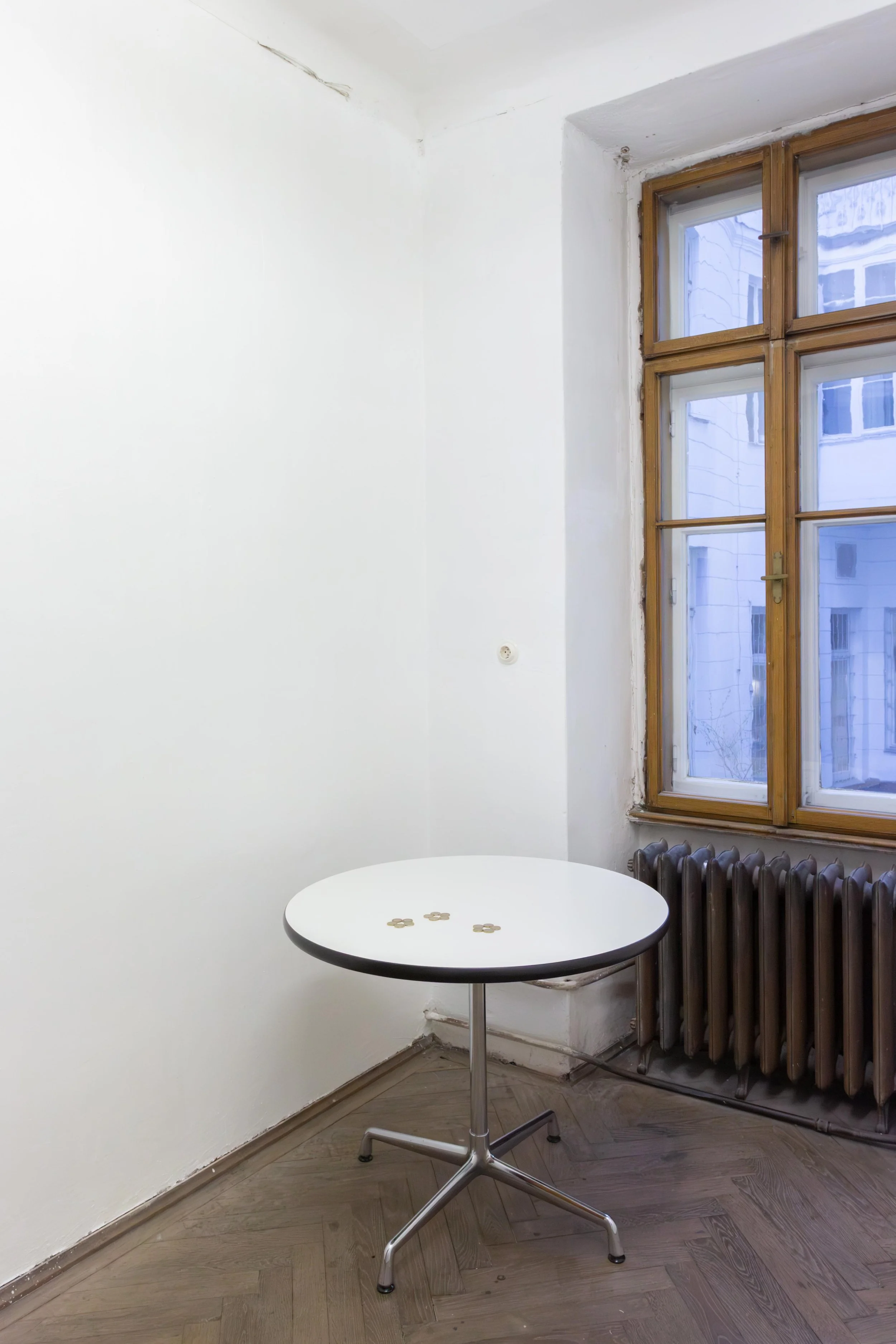
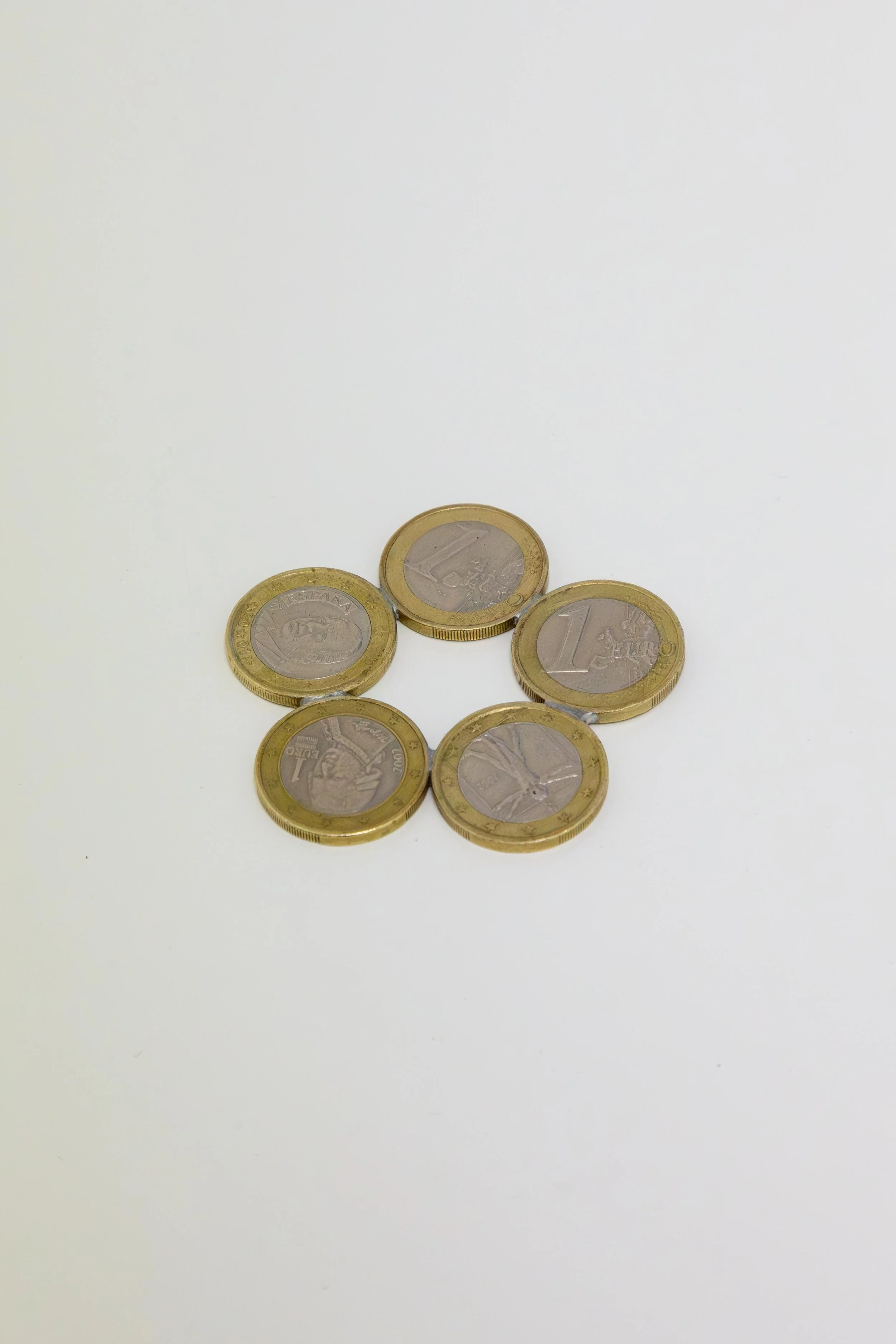
This flower show is installed within that same framework of ecology and visibility. Nature is presented as presence, but presence is staged. Arranged. Positioned. What appears as natural is produced through coordination across material, financial, and logistical distances, across the same distributed systems that structure contemporary labour. Flowers enter this field as image and language: rare, clean, controlled. They appear soft; they do not interrupt. Instead, they stabilize the system by smoothing its discontinuities, making extraction appear seamless.
And as a meadow it is no romantic landscape. It operates as a trap: wet, uneven, unstable. The soil is thick with labour, dirt under the fingernails, the residue of past and present. It is a week after Easter, but there is no resurrection. Nothing is reborn here. Instead, matter is consumed, broken down, and redistributed. This meadow quietly sets the terms under which nature may appear. The flower is never isolated: it is the endpoint of a chain of production that withdraws from view as it extends outward across systems of labour, logistics, and capital.
The flowers press their soft matter against hard systems until the structures crack. The decorative ceases to be a mere surface. It functions as infrastructure: it drains, conceals, and permits passage. Waste flows here. Bodies move. Nothing escapes the weight of it. They carry, transmit, and abrade. They are bound to extraction, migration, industry, and capital. Everything carries weight. Everything strains. And beauty? Beauty is the application of pressure.
- Pieternel Vermoortel
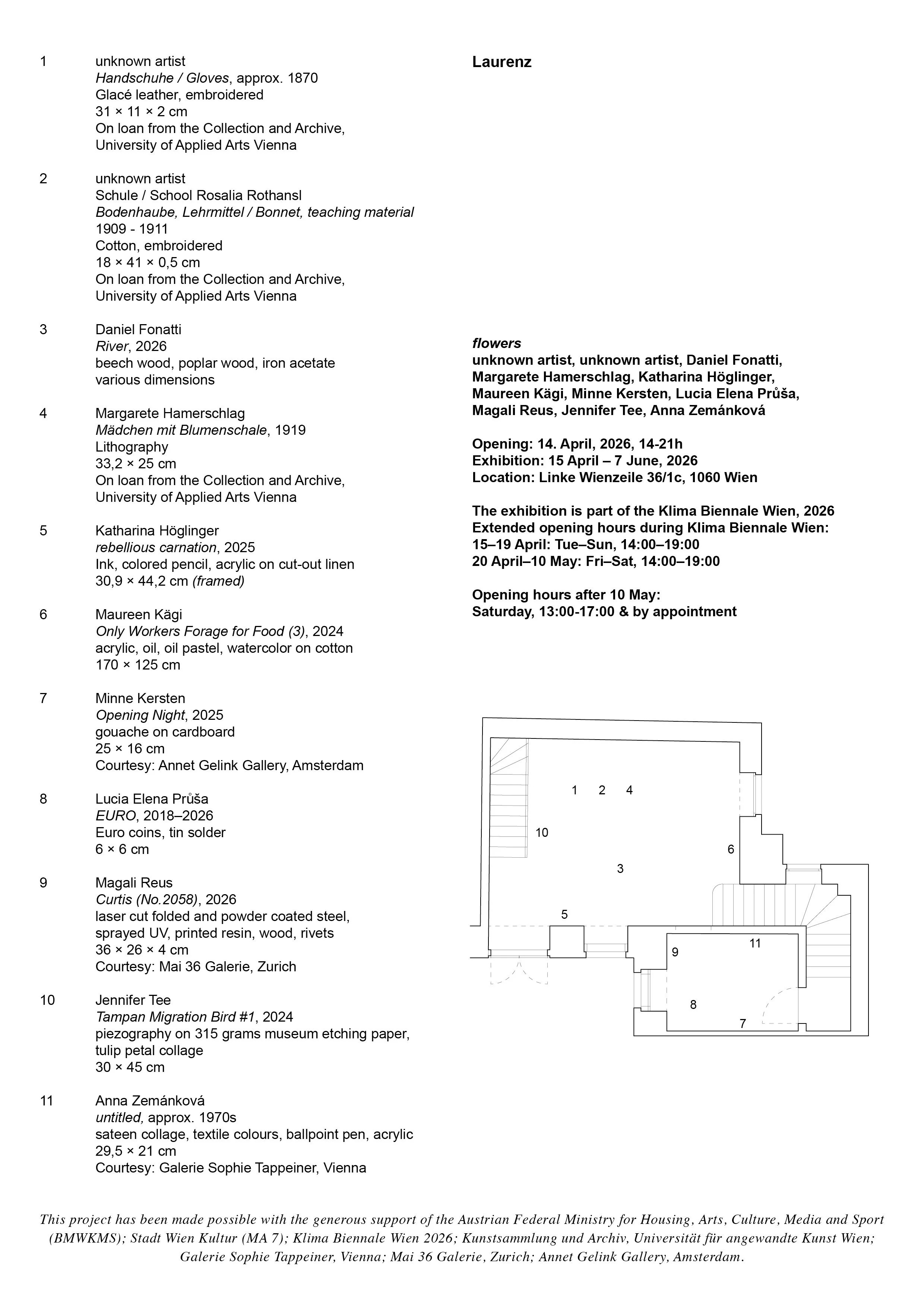
floorplan
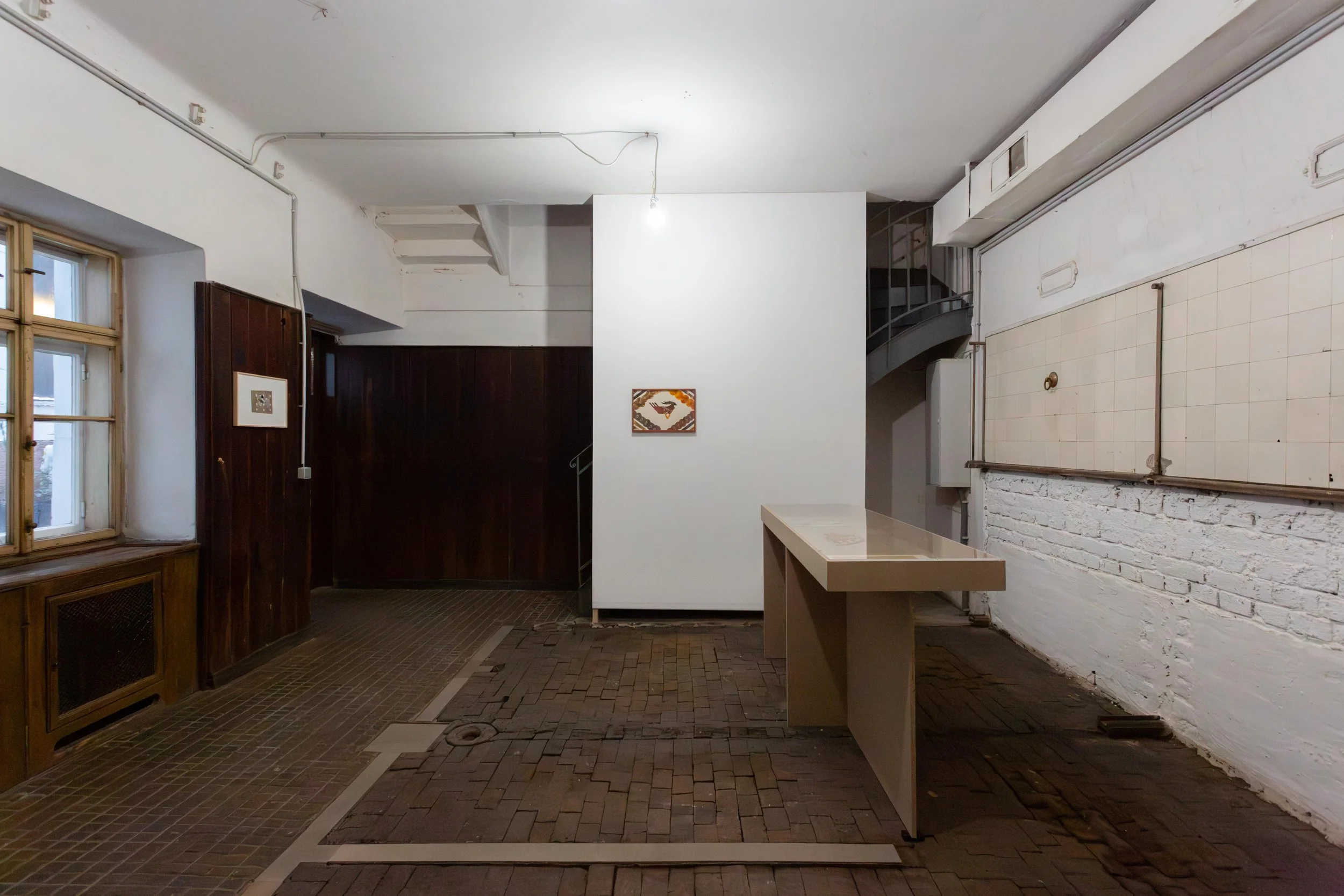
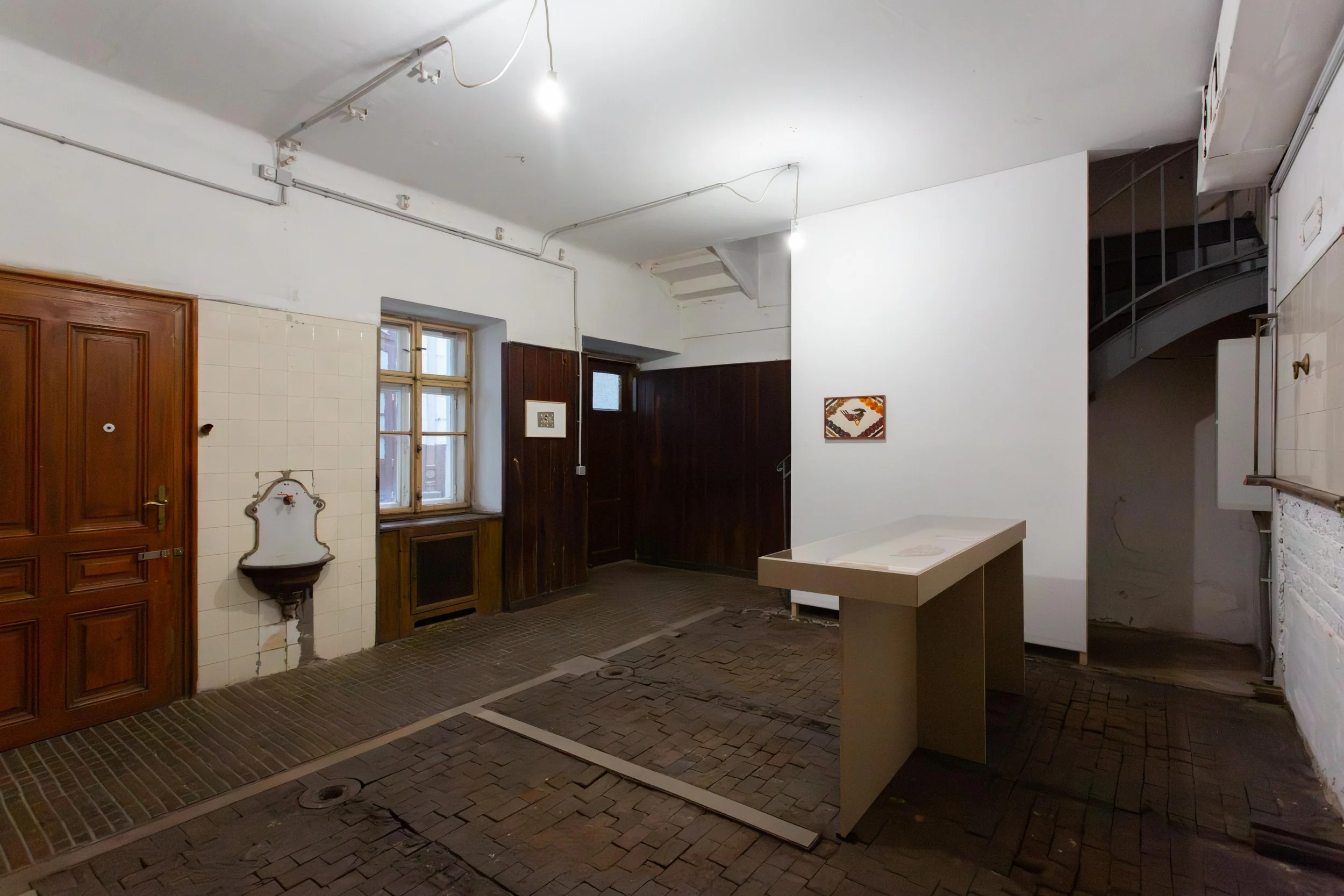
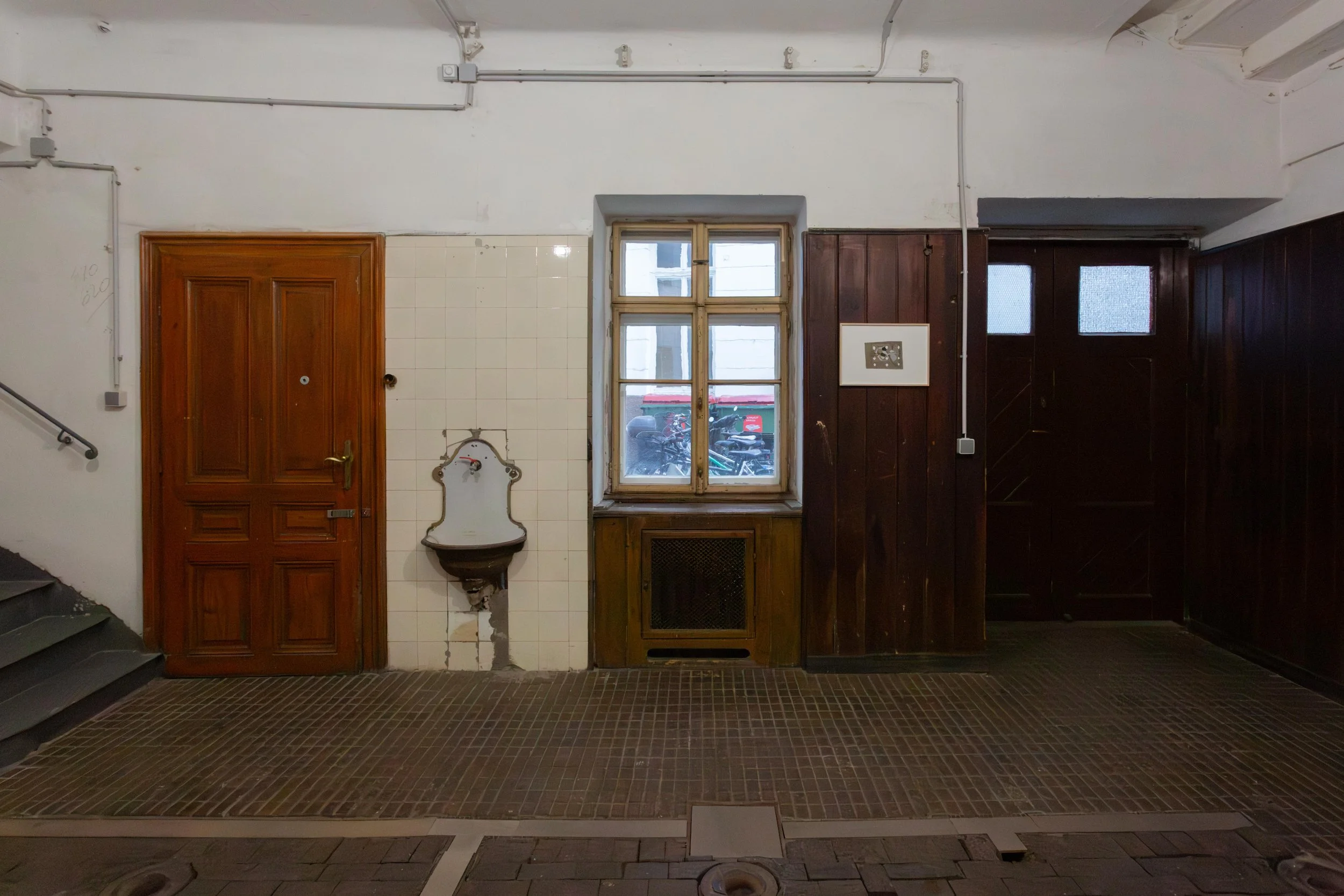
(Photos: fig1-30 Aaron Amar Bhamra / Laurenz)