Persijn Broersen & Margit Lukács, Smári Róbertsson
Living on love and pale moonlight *
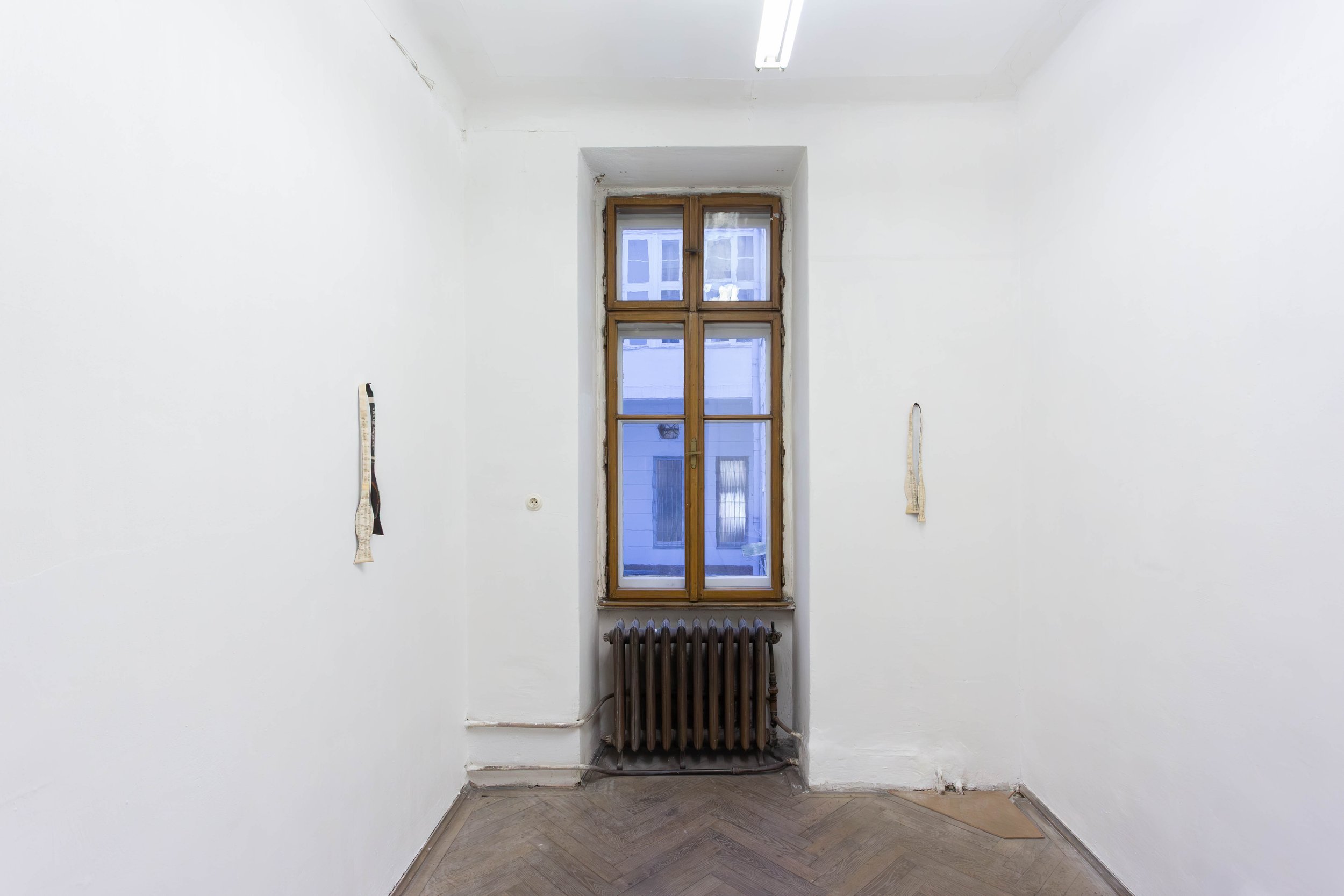
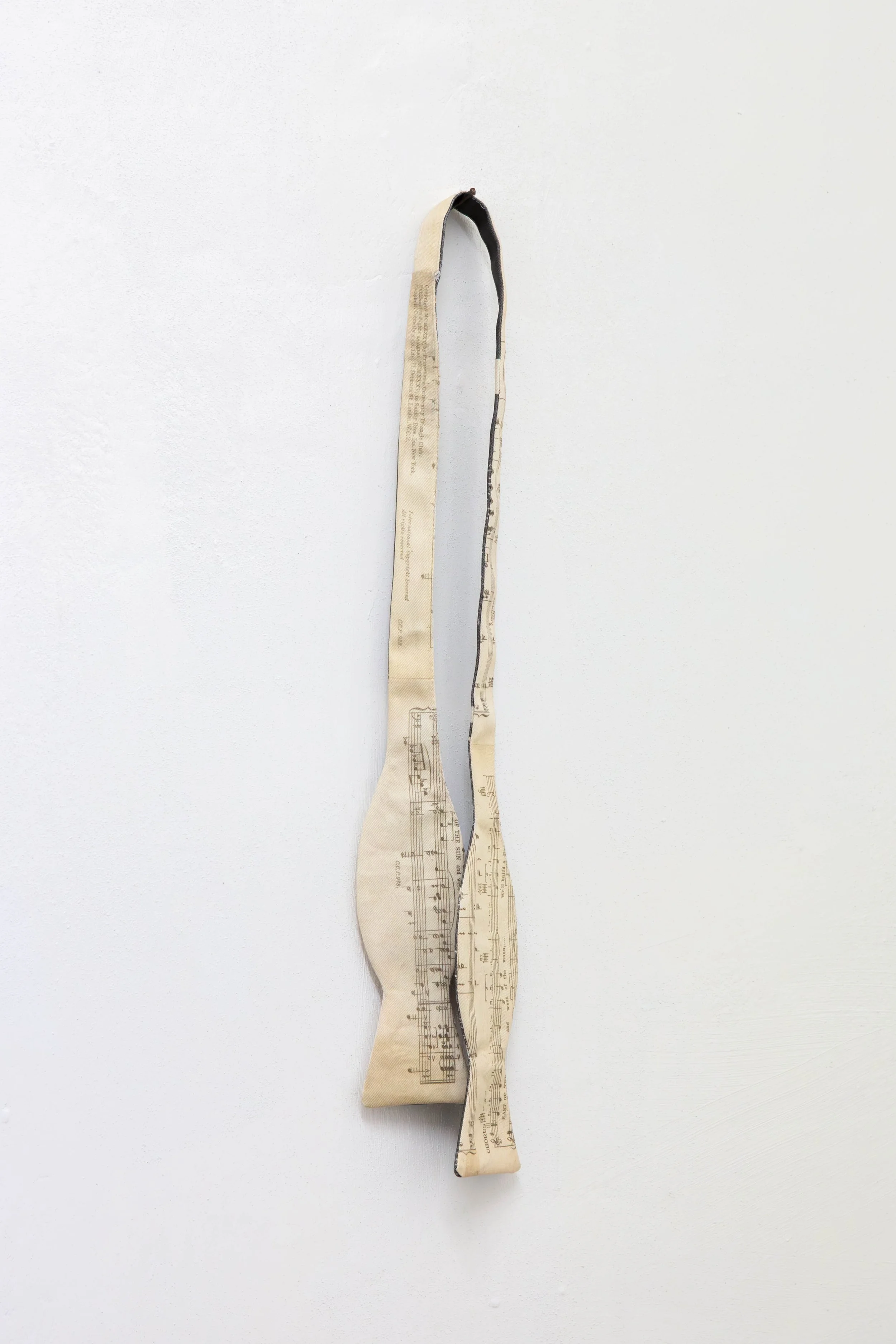
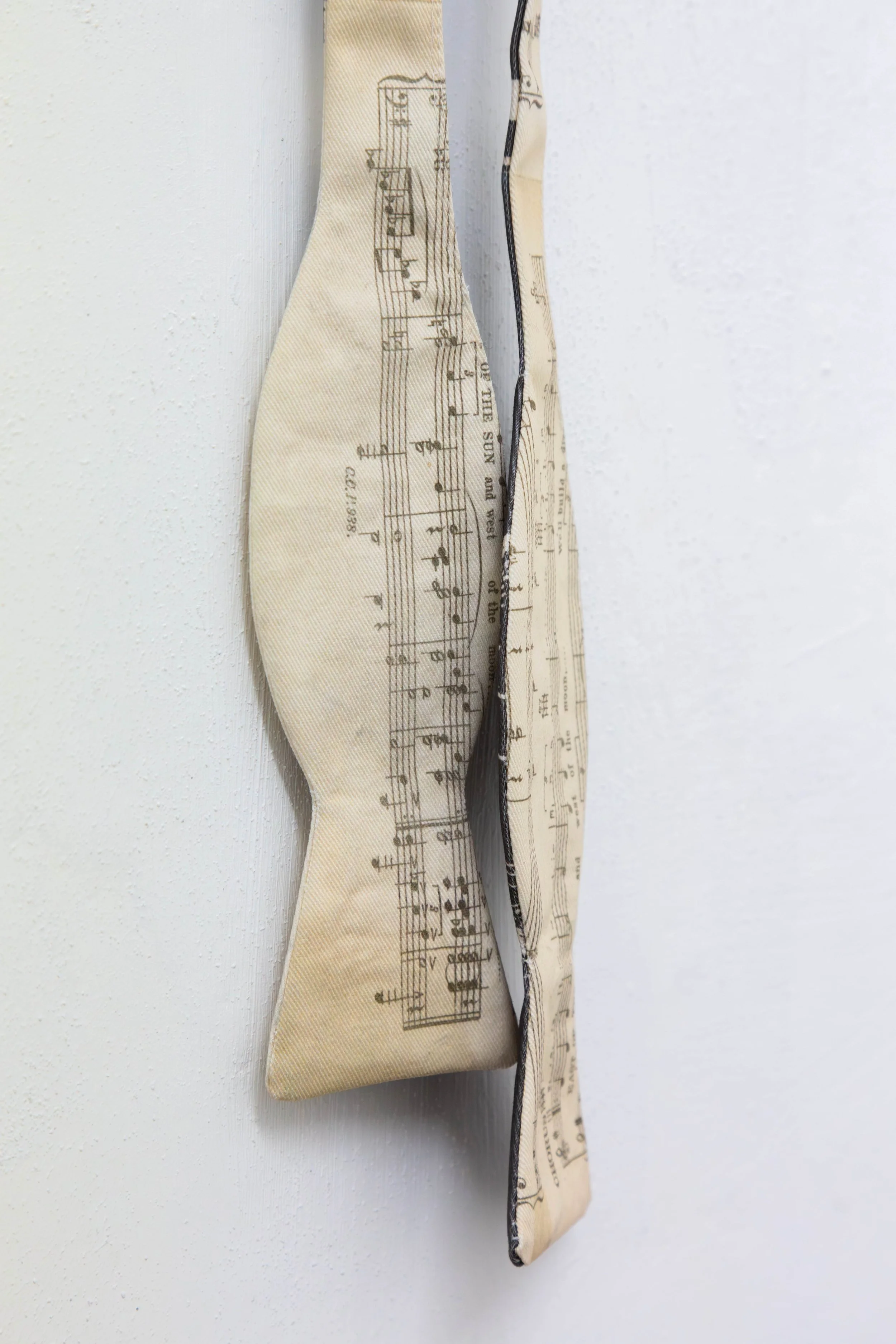
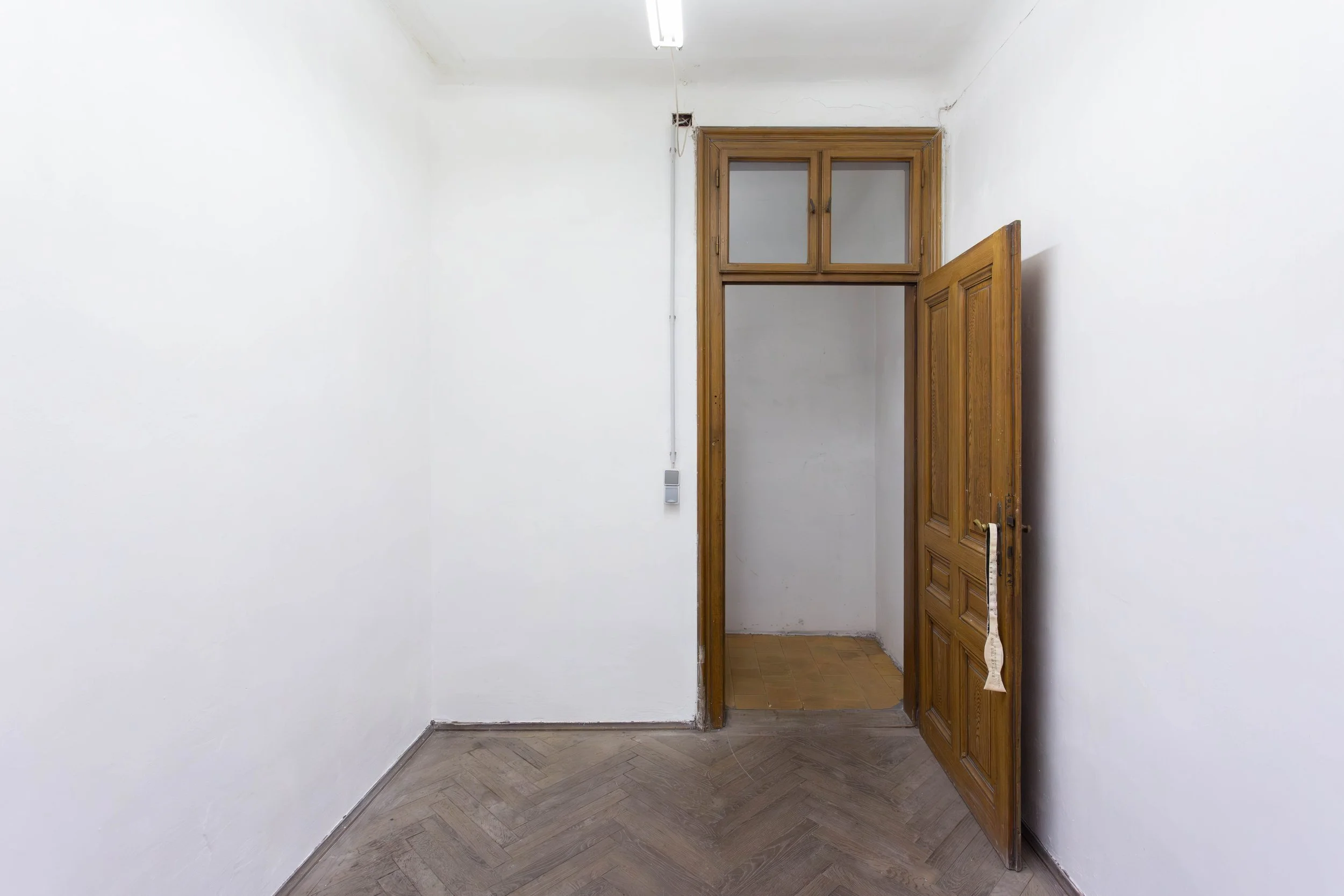
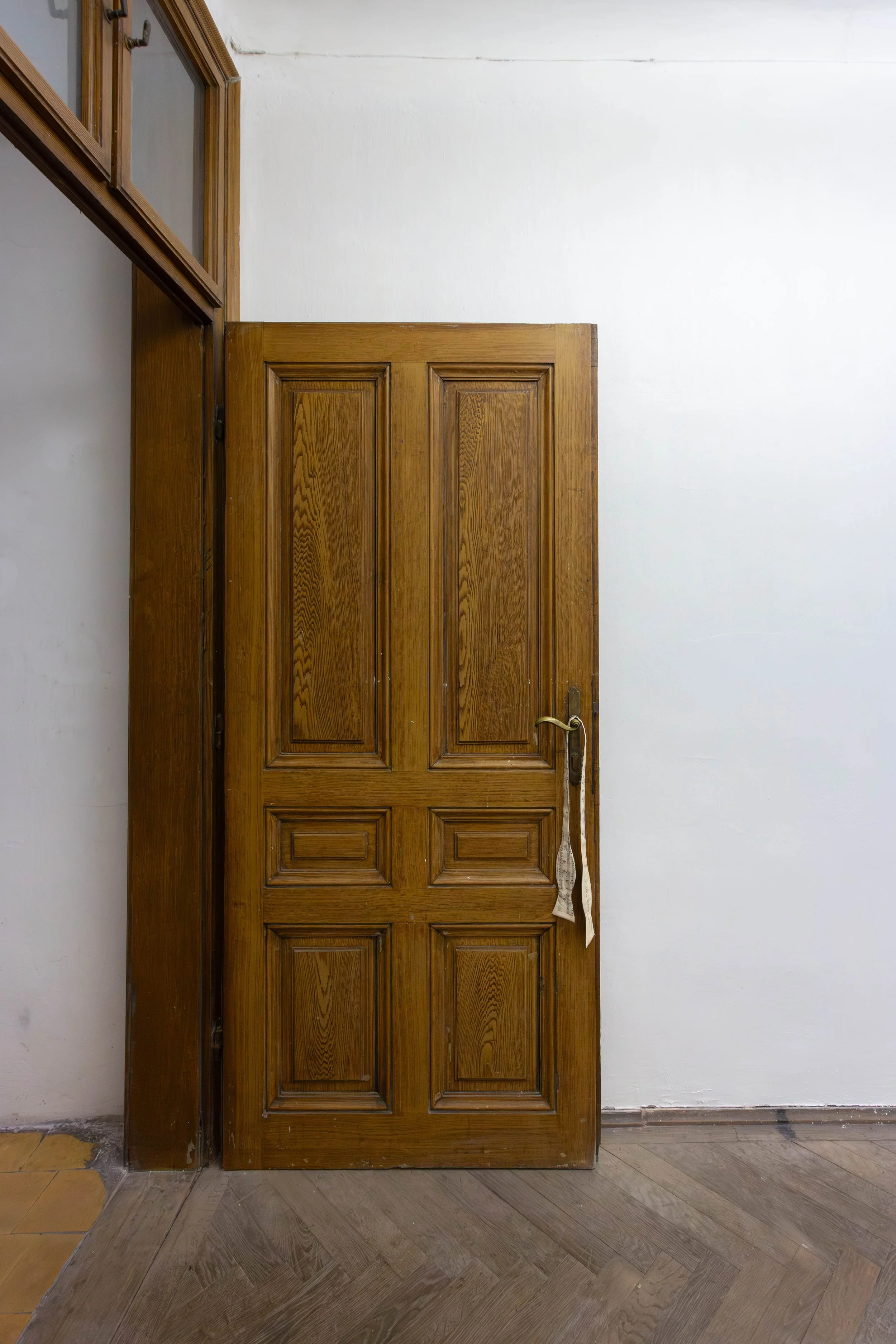
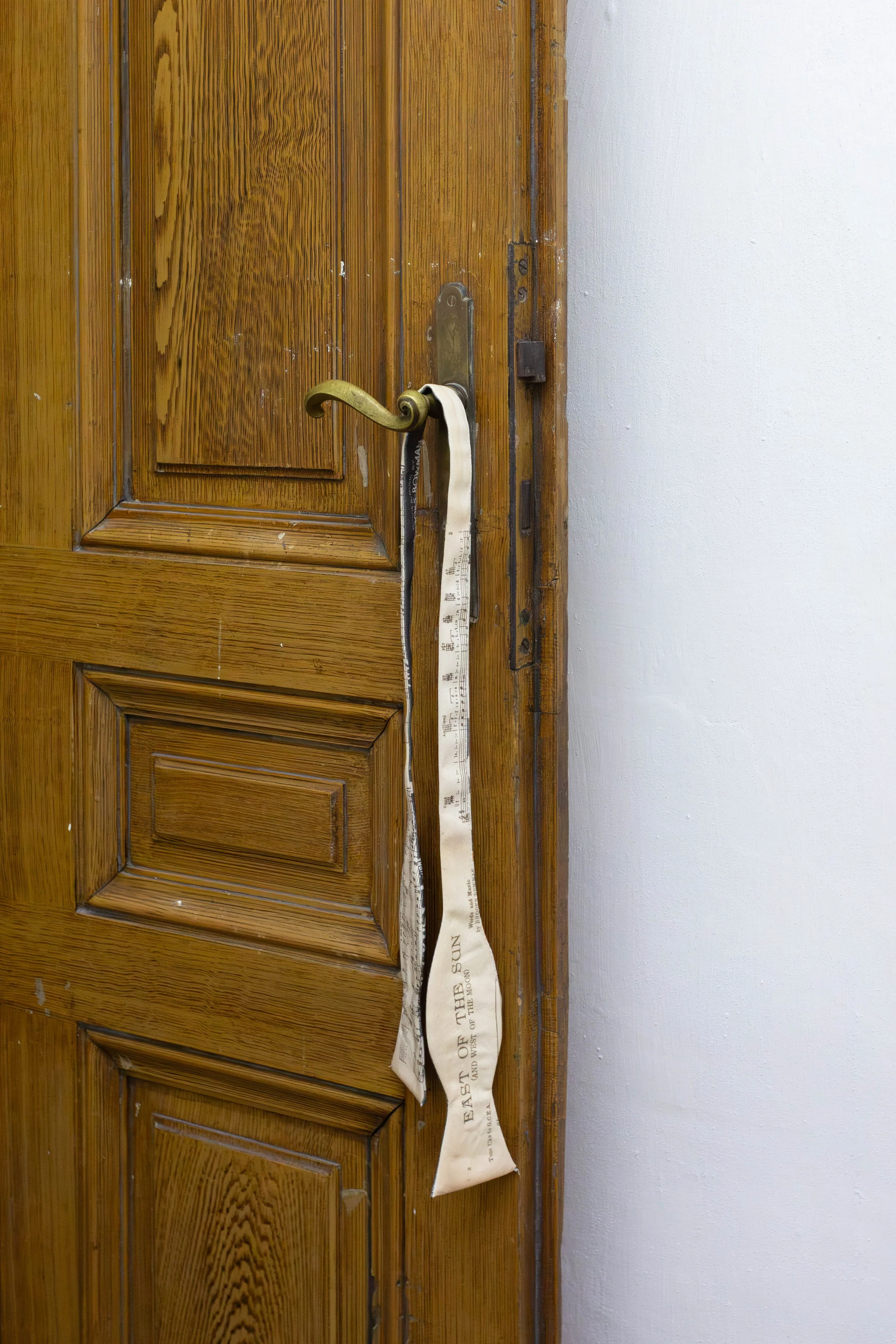
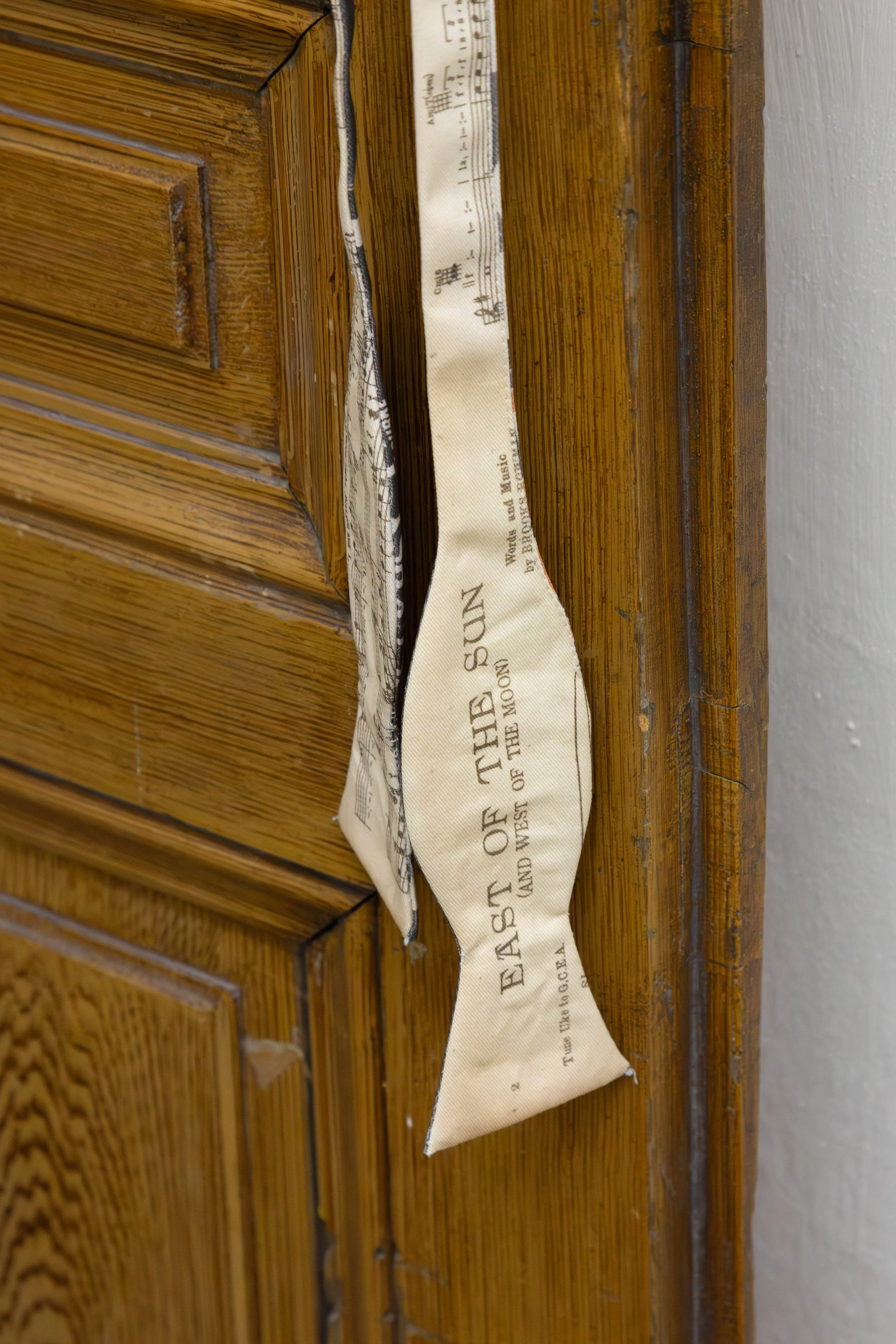
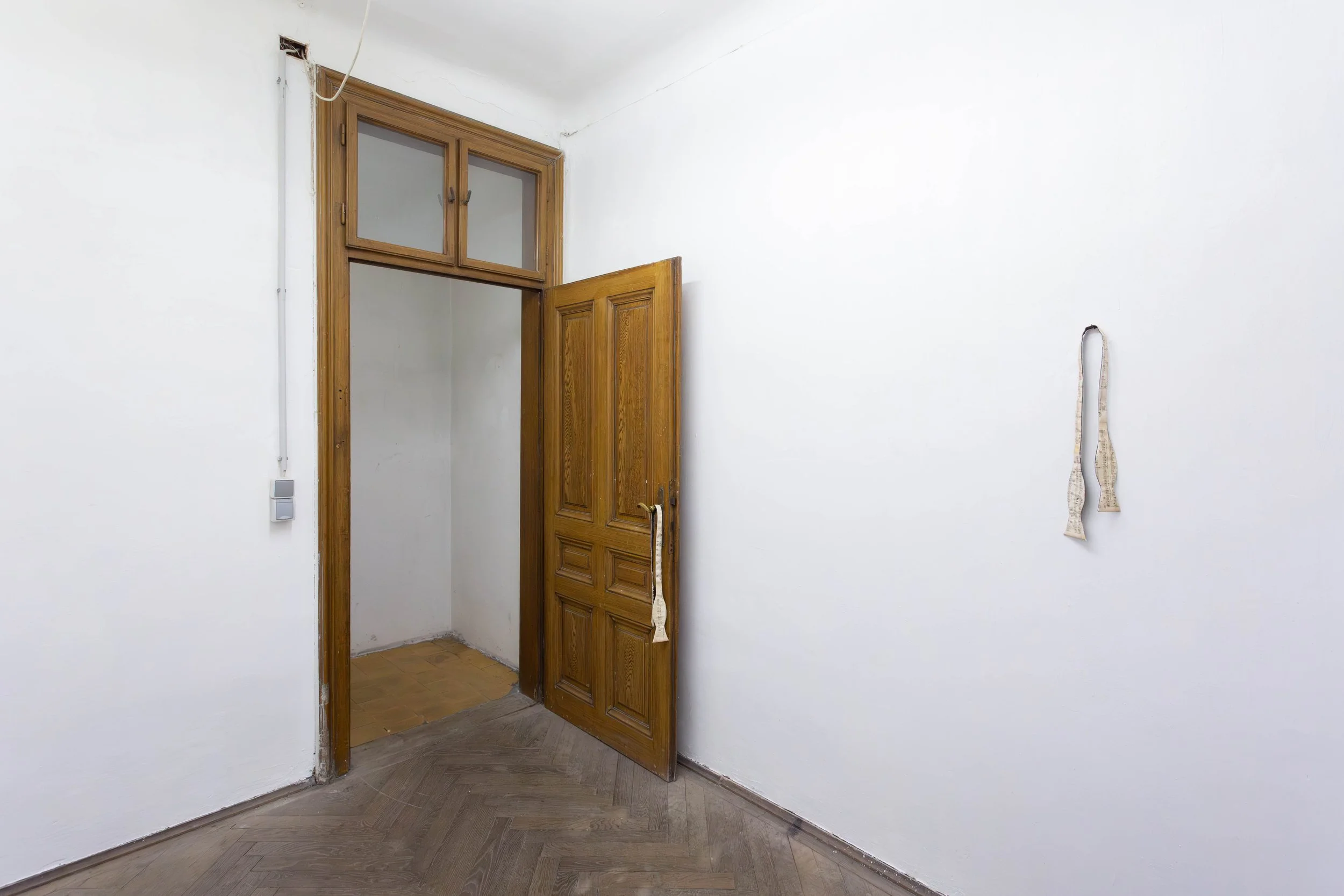
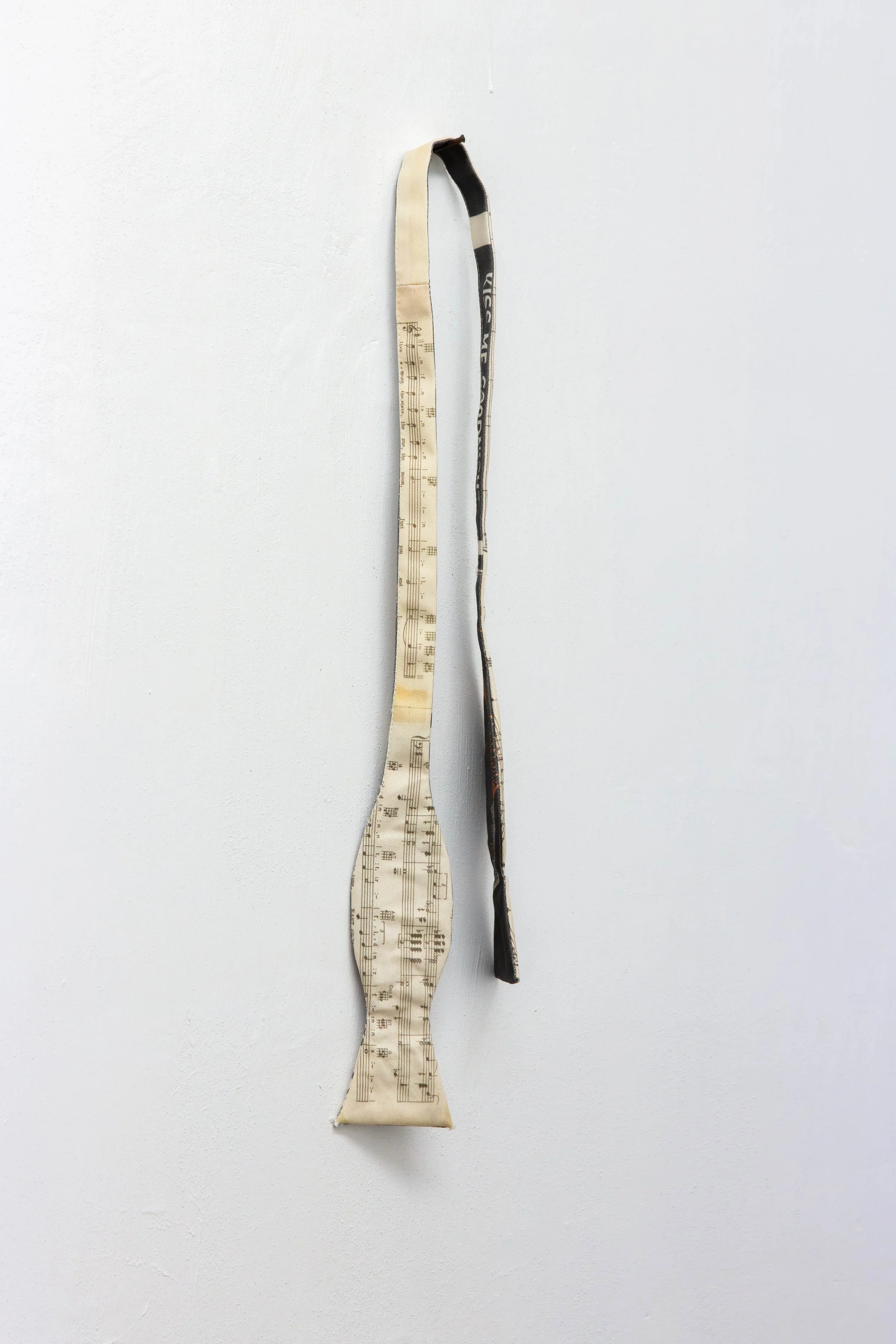
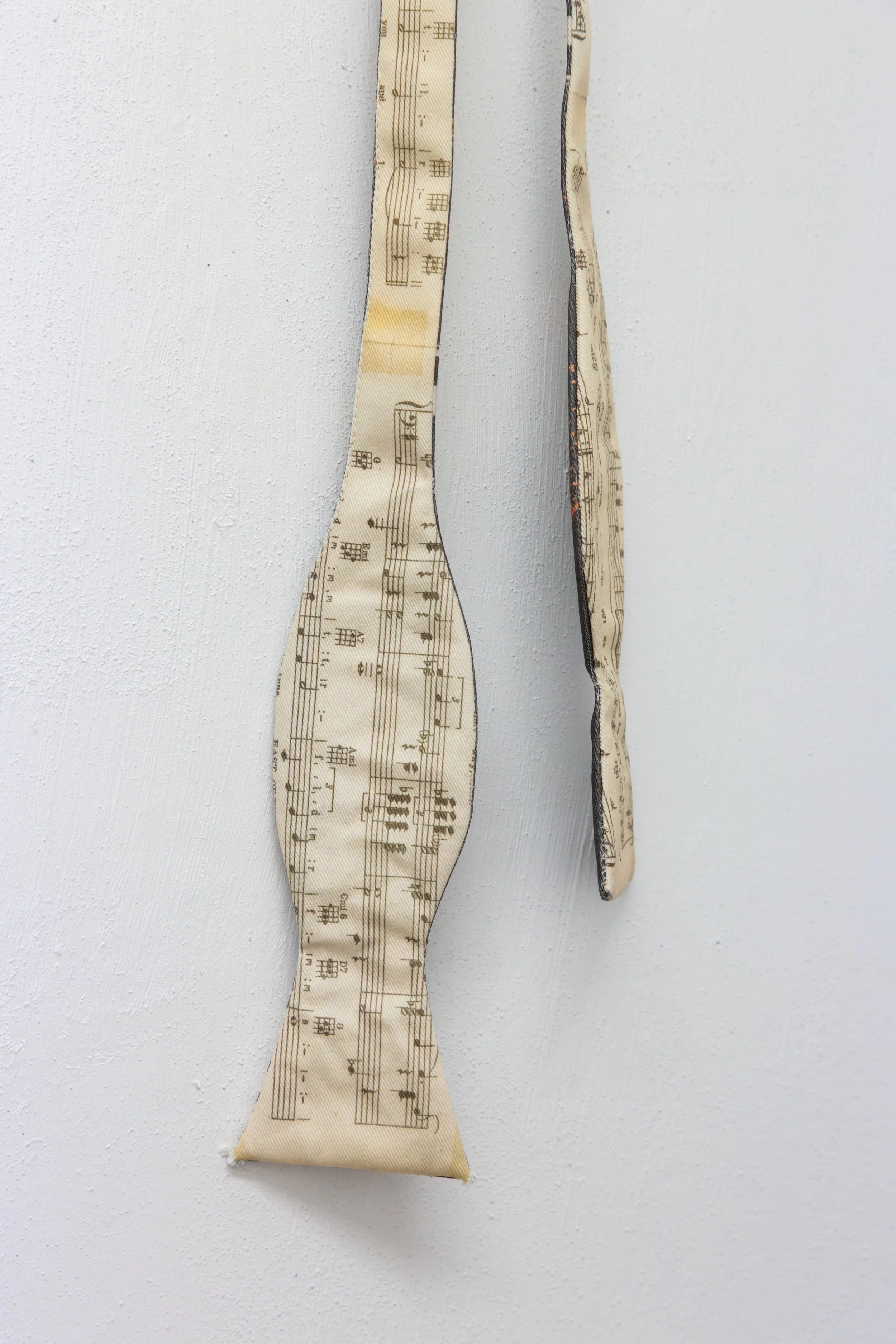
We are not in a horse stable; we are in a small, dimly lit jazz bar. There are candles and small round tables, and the light is warm. In the background, chatter mixes with cigarette smoke, clinking glasses, laughter. The concert is almost over. The crooners have loosened their bow ties and are playing their final improvisation of the night. Almost anything could happen; the night is young, and the Casanovas are let loose to work their charm. For the last song, the combo chooses East of the Sun (And West Of The Moon).
East of the Sun, West of the Moon is the title of a Nordic fairytale about a heroine who leads a cursed prince, turned into a white bear, to a place that lies east of the sun and west of the moon. It is perhaps this idea of a mysterious place beyond the reach of both sun and moon that inspired Brooks Bowman to write a song carrying the same title in 1934, while still a student at Princeton University. The original song was later re-recorded and interpreted by a number of musicians throughout the years, including Frank Sinatra, whose famous version appeared in the dark 1940.
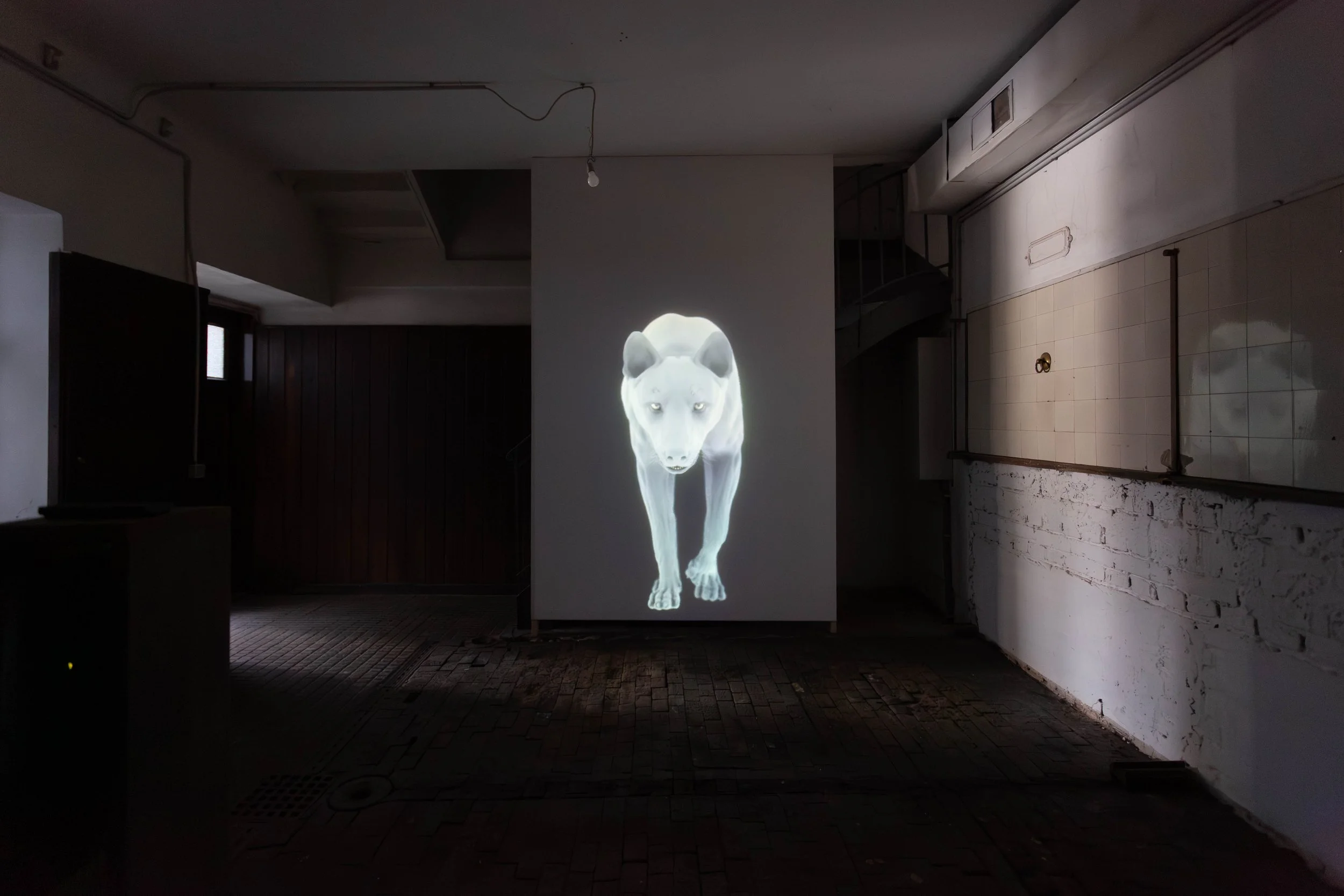
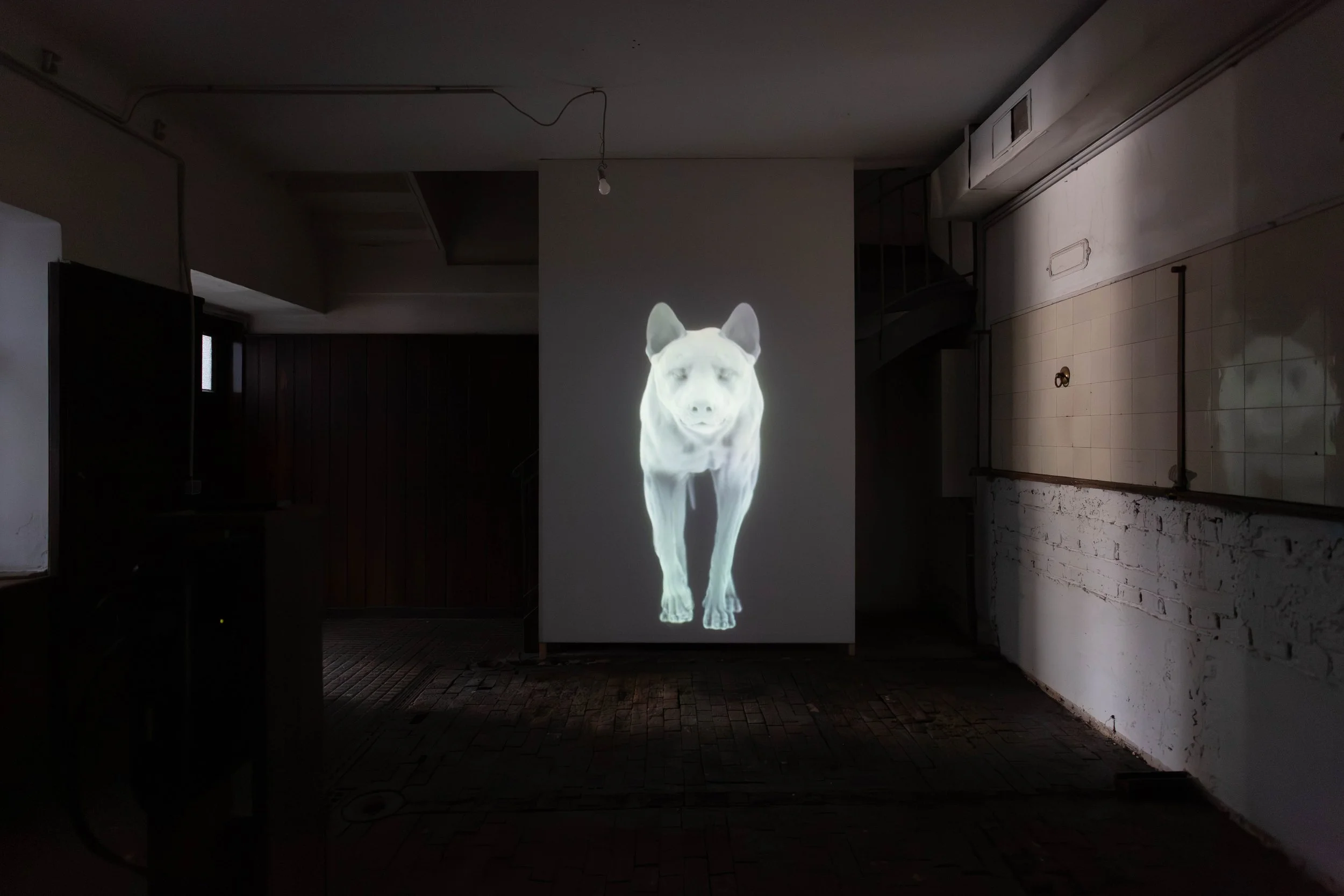
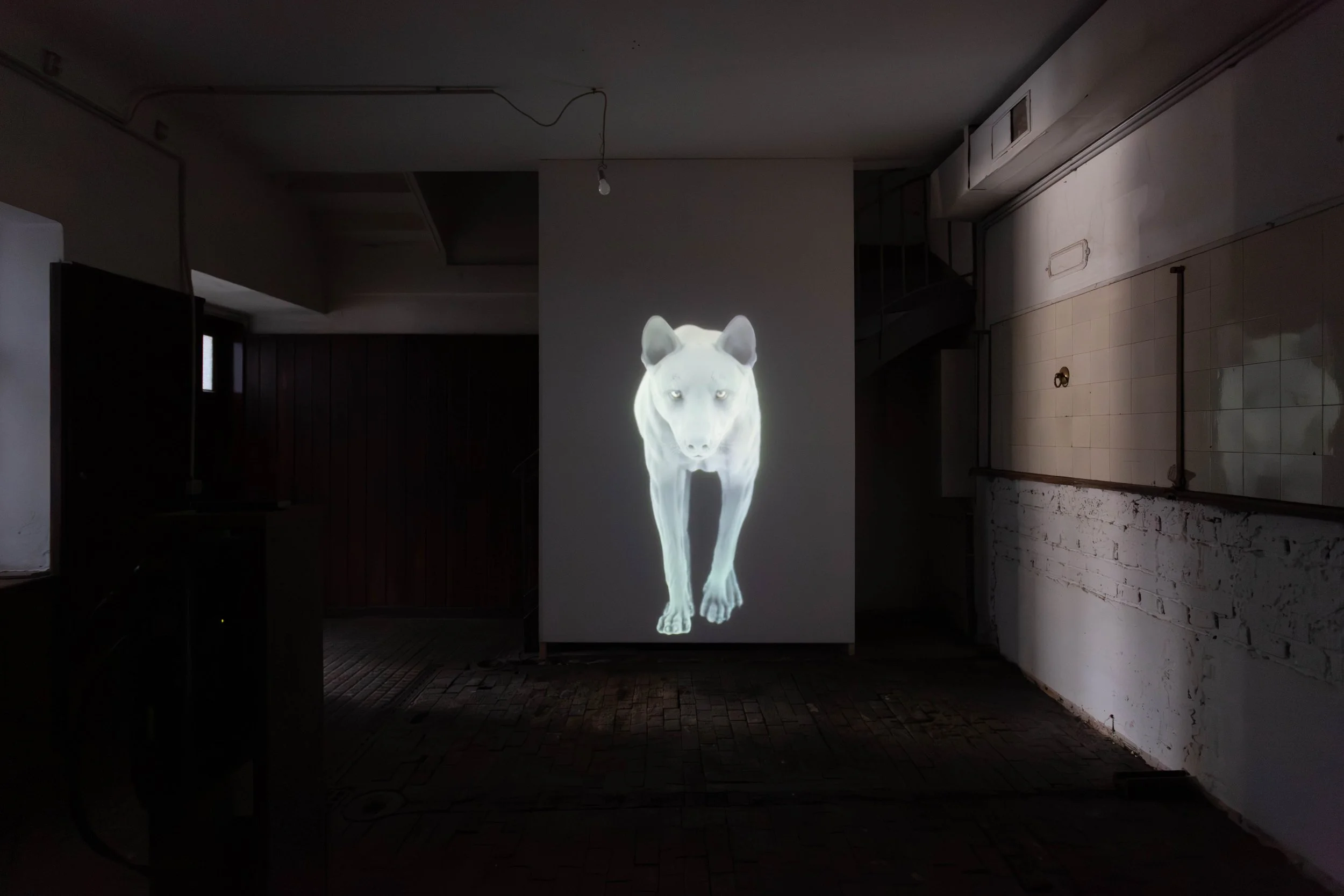
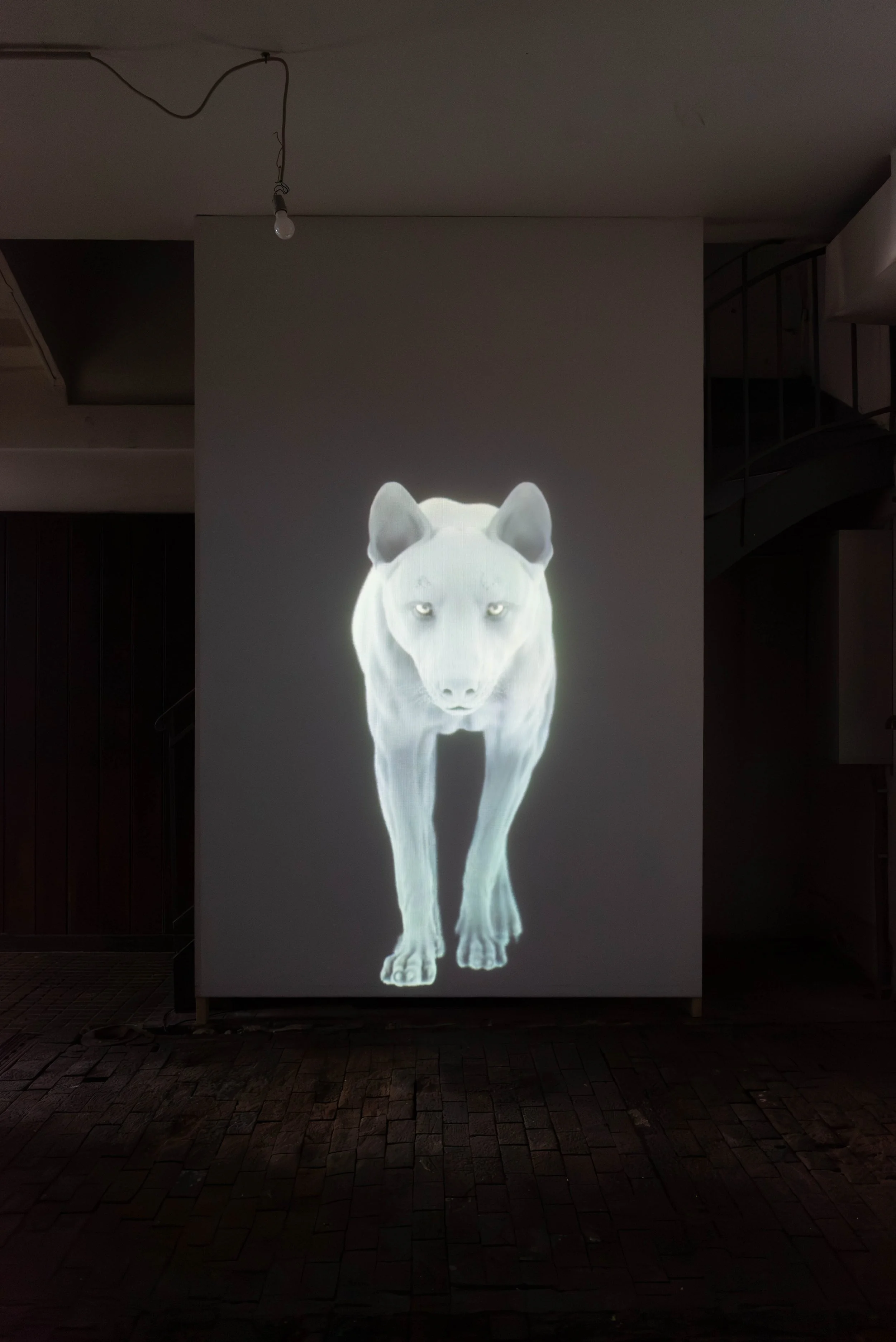
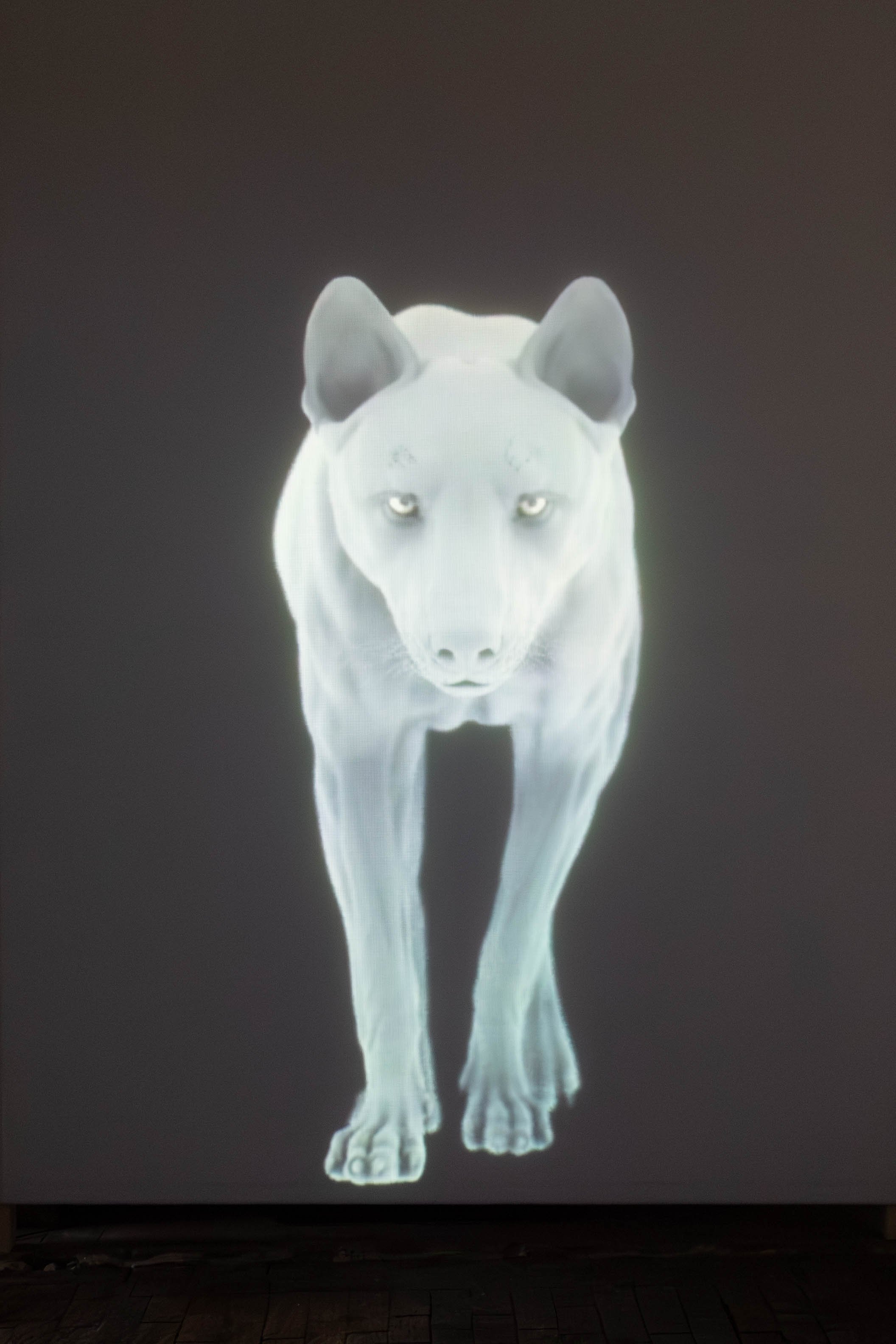
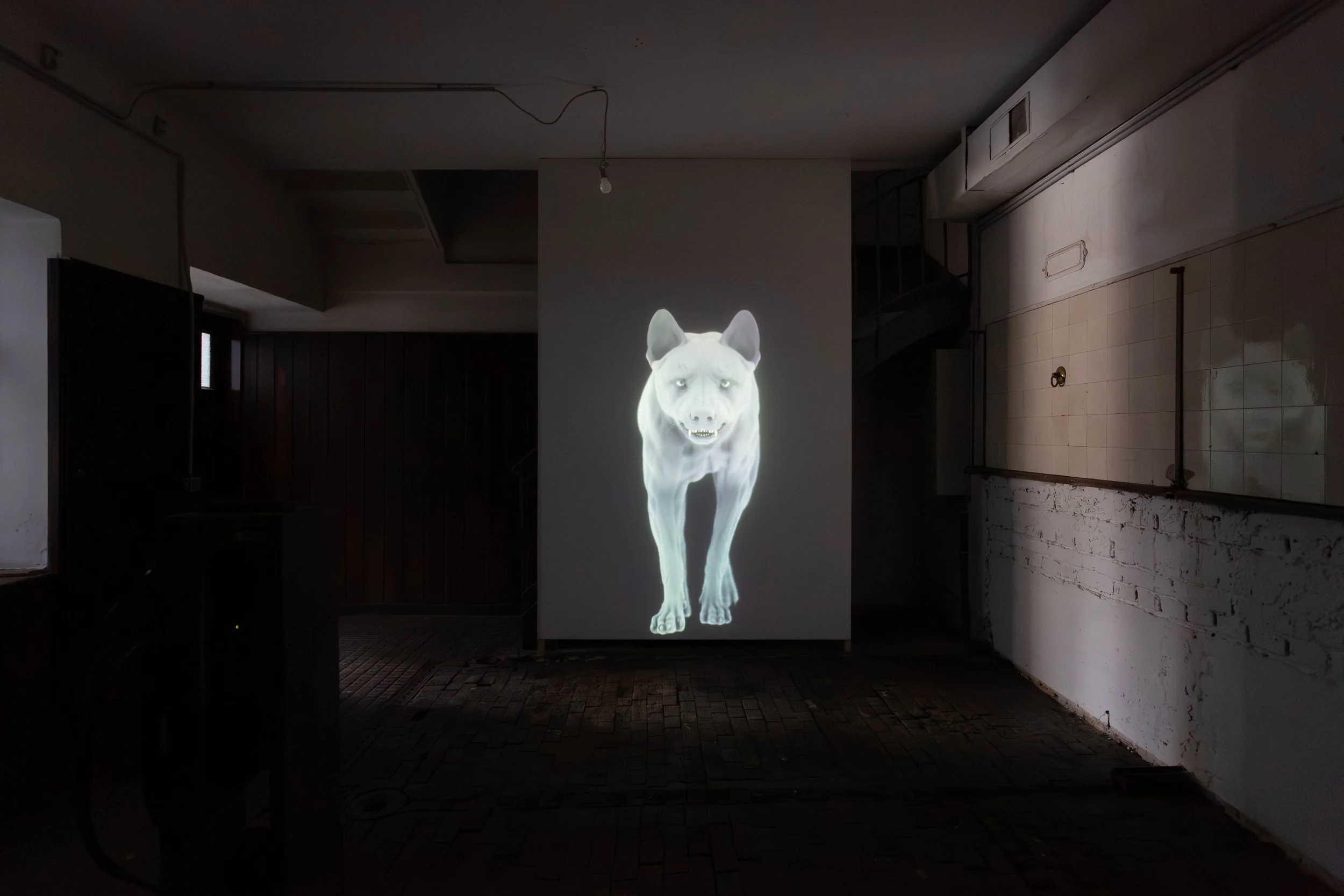
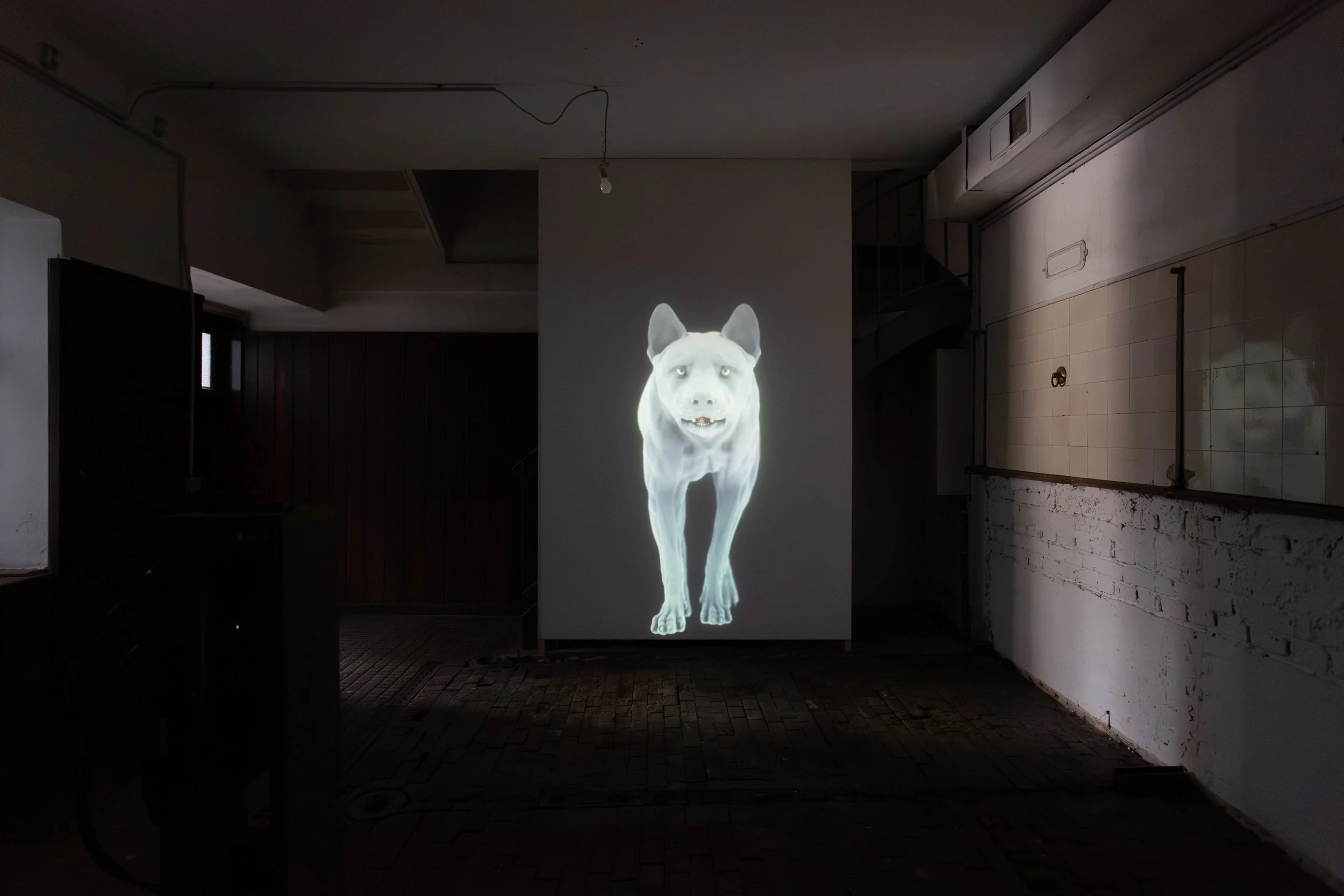
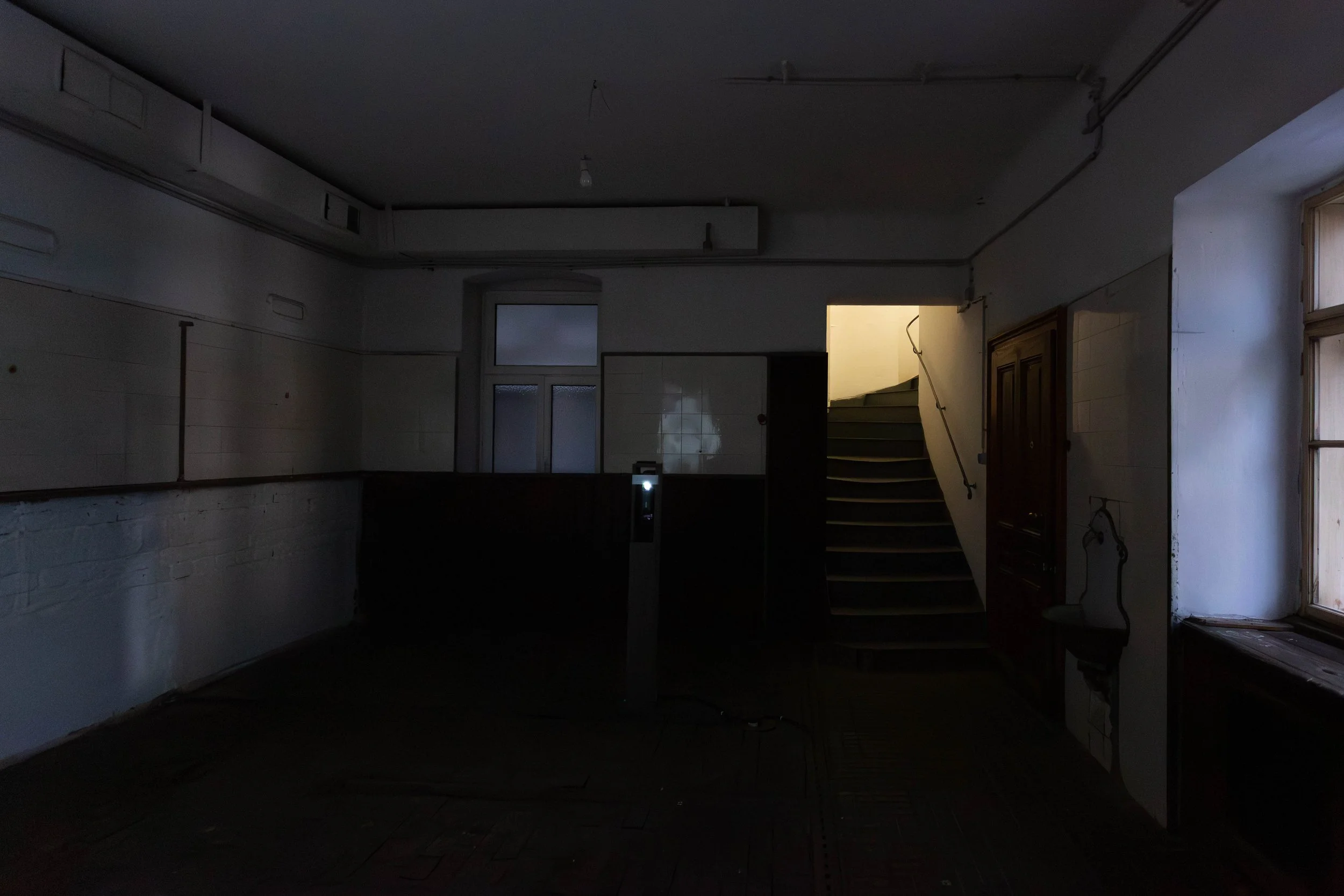
During a residency east of Norway and west of the Baltic Sea, in the Swedish countryside where the three artists met for the first time, a new version of East of the Sun, West of the Moon was conceived as a collaboration between Persijn Broersen, Margit Lukács, and Smári Róbertsson. In the work, a figure of a big wolf calmly walks in place while singing the famous Sinatra lyrics. Though singing a love song, the movements of the animal remain predatory, uncanny. Its eyes are fixated on us, its head lowers as if considering whether to attack or not. The lyrics of the song come out of its mouth in what feels almost like a painfully strained way. Its neck twists, its head bends backwards, its jaws open widely. Its movements have a slight delay, giving the character an almost off, disturbing feeling – as if torn between its human desperate plea for love and its computer-generated beast body. “You’ll be with me”, whispered, “We’ll live in a lovely way, dear,” comes out between the wolf’s teeth, leaving us unsure whether this lover is promising comfort or casting a spell.
We’re together forever. We’ll keep it that way.
For-ev-er.
* Title borrowed from East of the Sun (And West of the Moon) by Brooks Bowman
___
Margit Lukács & Persijn Broersen are an Amsterdam-based artist duo whose practice explores the intricate entanglements between nature, culture, and technology. Their practice includes films, digital animations, and spatial installations that explore how media shapes and changes our perception of the natural world.
Graduates of Graphic Design at the Gerrit Rietveld Academie, they went on to complete their MFA at the Sandberg Institute and were artists-in-residence at the Rijksakademie in Amsterdam. Broersen & Lukács’ artistic inquiry is rooted in a deep engagement with media theory, art history, and mythology. Drawing from cinematic, scientific, and historical sources, they reimagine landscapes through digitally layered environments. Their work often reflects on the politics of representation and the appropriation of nature—reconfiguring dominant narratives through fragmented, multi-perspective storytelling.
Their installations and films have been widely shown at major institutions and international biennials, including the Stedelijk Museum Amsterdam (NL), Centre Pompidou (FR), FOAM (NL), MUHKA (BE), Kröller-Müller Museum (NL), MacKenzie Art Gallery (CA), WRO Biennale (PL), Biennale of Sydney (AU), Rencontres Internationales (Louvre, Paris /HKW (DE), and Wuzhen Biennale (CN). In 2024, they represented the Netherlands at the Gwangju Biennale in South Korea.
Smári Róbertsson (b. 1992) is an Icelandic artist based in Amsterdam. In his practice, Smári examines how meaning shifts through repetition, misalignment, and reuse. Rather than settling into a single form, the work circulates through temporary arrangements, proposing dislodged narratives that oscillate between folklore and folk-fact. Stories, images, and gestures are placed into new contexts, where authorship and identity remain unsettled.
These unraveling, incomplete, and intertextual examinations look for (re)semblance between the physical and the imaginary. Favouring provisional arrangements over finished statements, the work allows elements to circulate without resolving into a single position. Moving between sincerity and performance, it treats role and identity as provisional, placing them at the centre of a mischievous, resolutely contemporary fable.
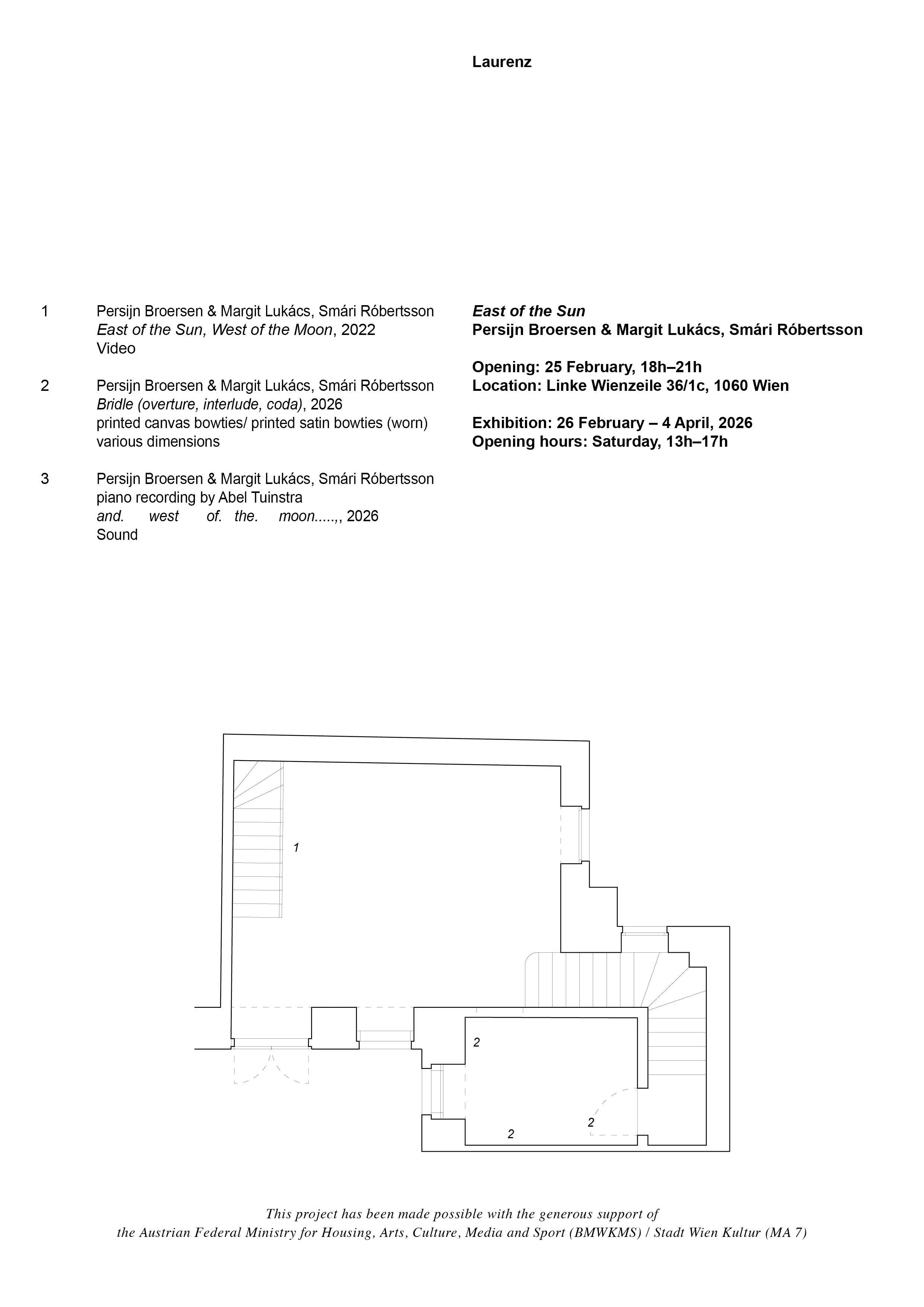
floorplan
(Photos: fig1-18 Aaron Amar Bhamra / Laurenz)