Barbara Bloom, General Idea
Barbara Bloom
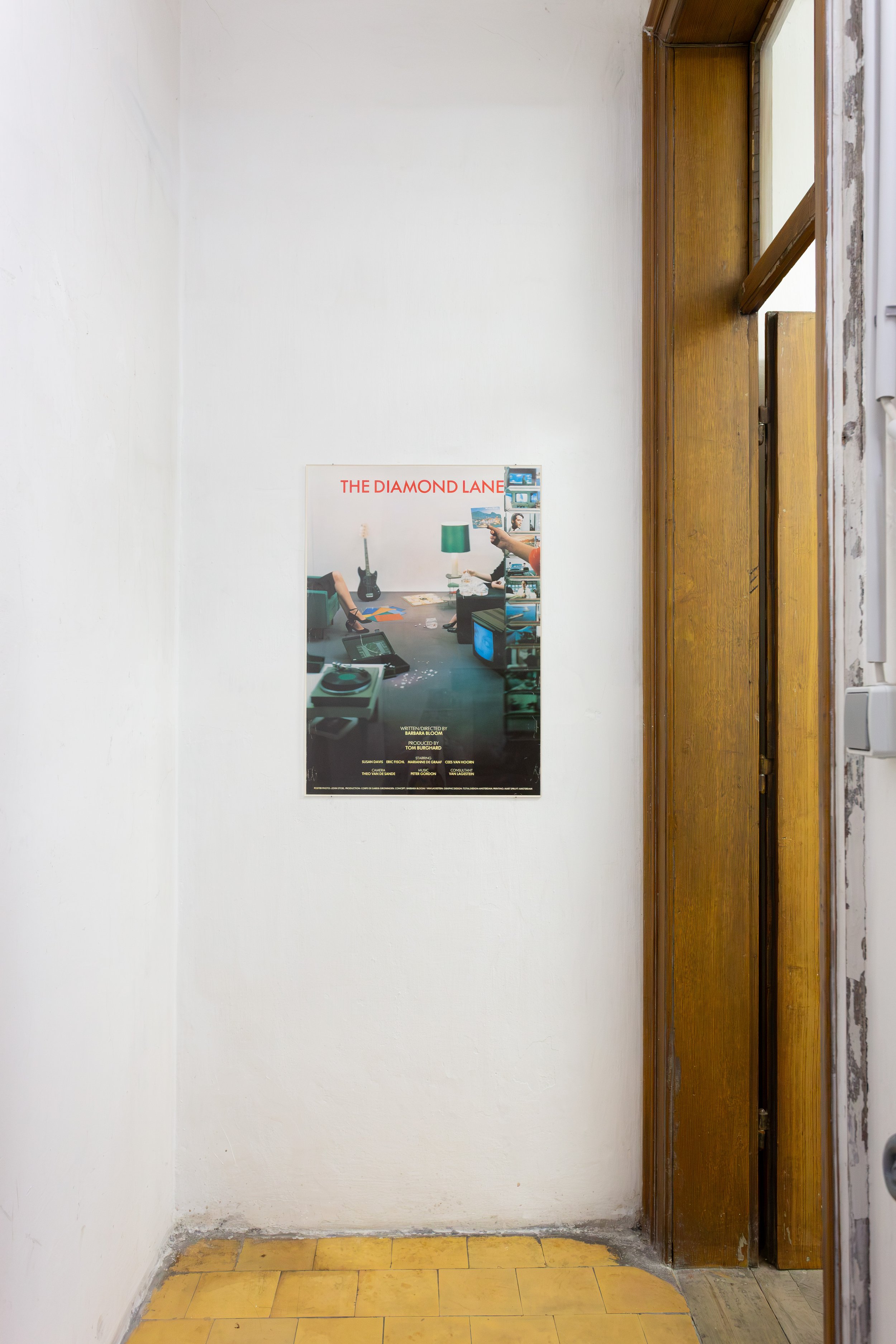
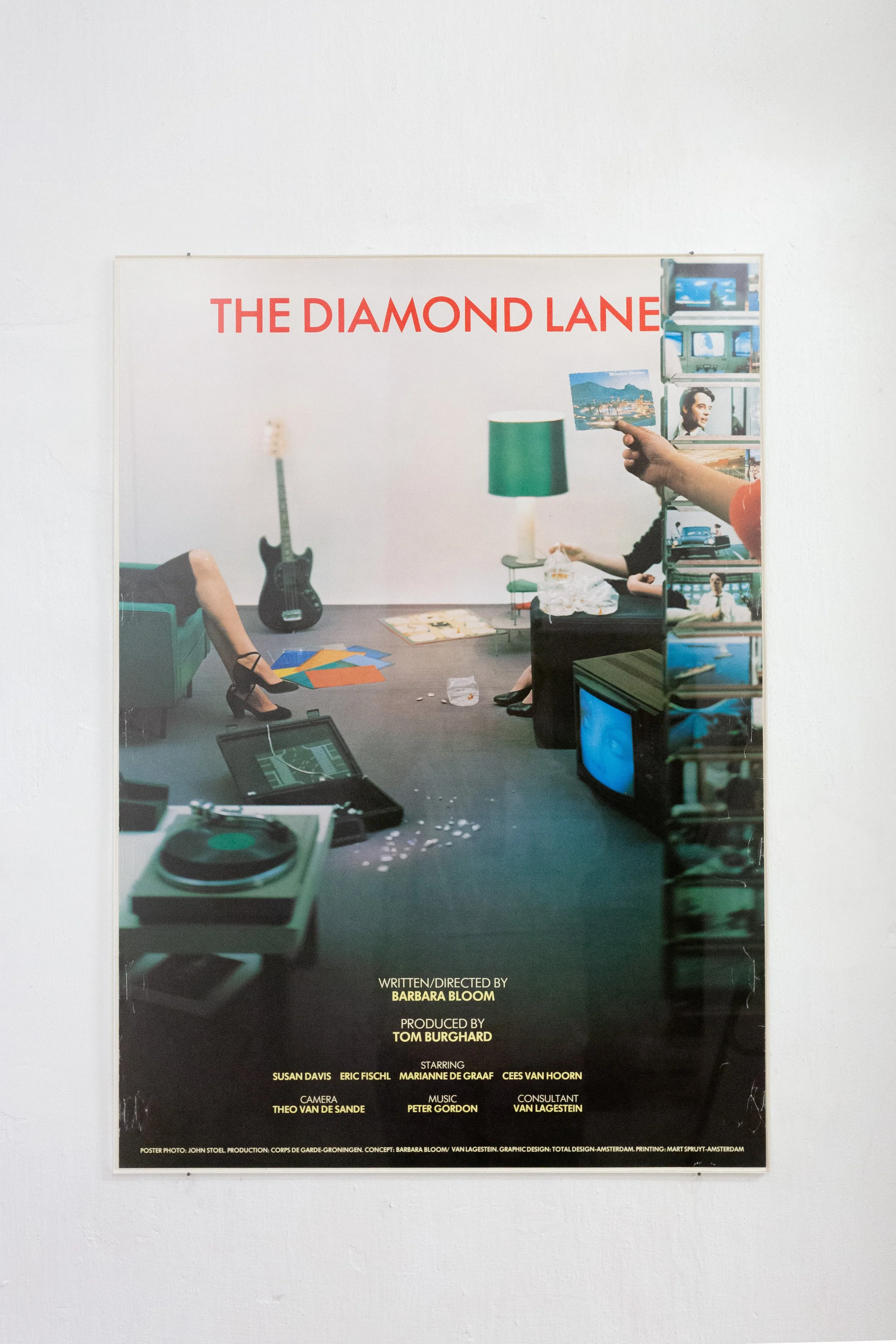
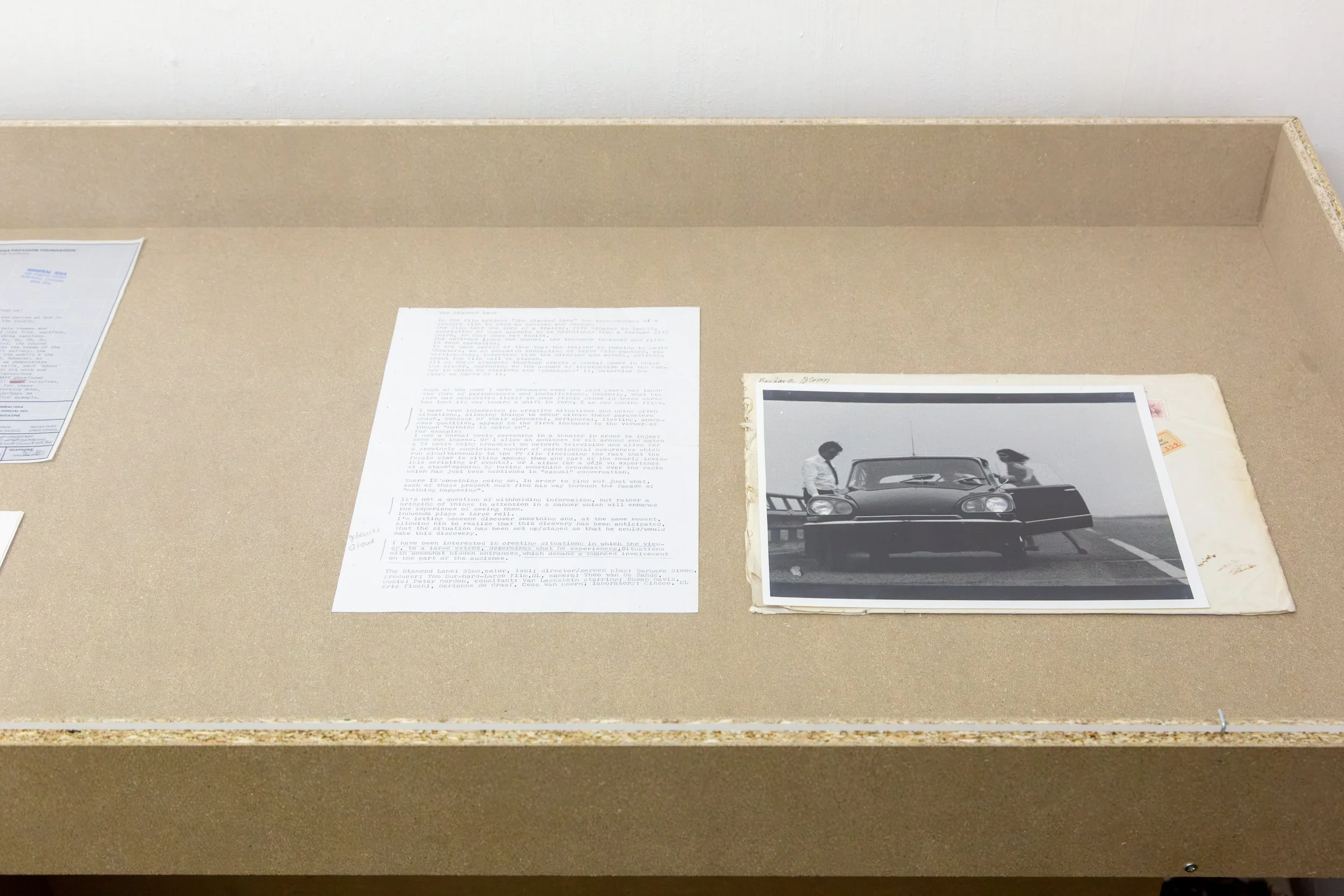
The Diamond Lane
1981
Specifications: 35mm, color, 00:05:14
Collection & distribution: LI-MA Amsterdam
Written/directed by Barbara Bloom; produced by Tom Burghard—Largo Films, NL; Camera: Theo van de Sande; Music: Peter Gordon; Consultant: Van Lagestein; Starring: Susan Davis, Eric Fischl, Marianne de Graaf, Cees van Hoorn; Laborator: Cineco, NL
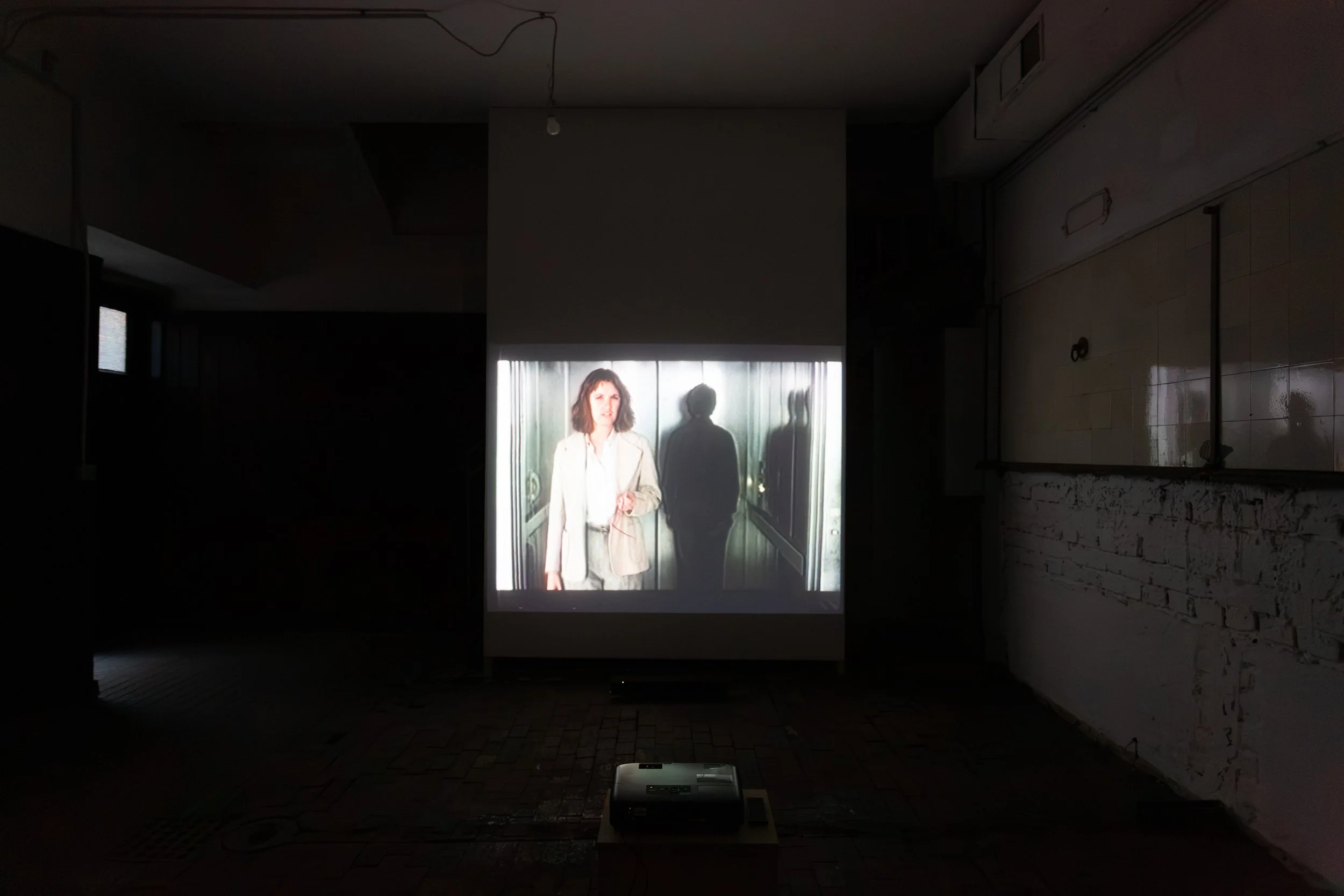
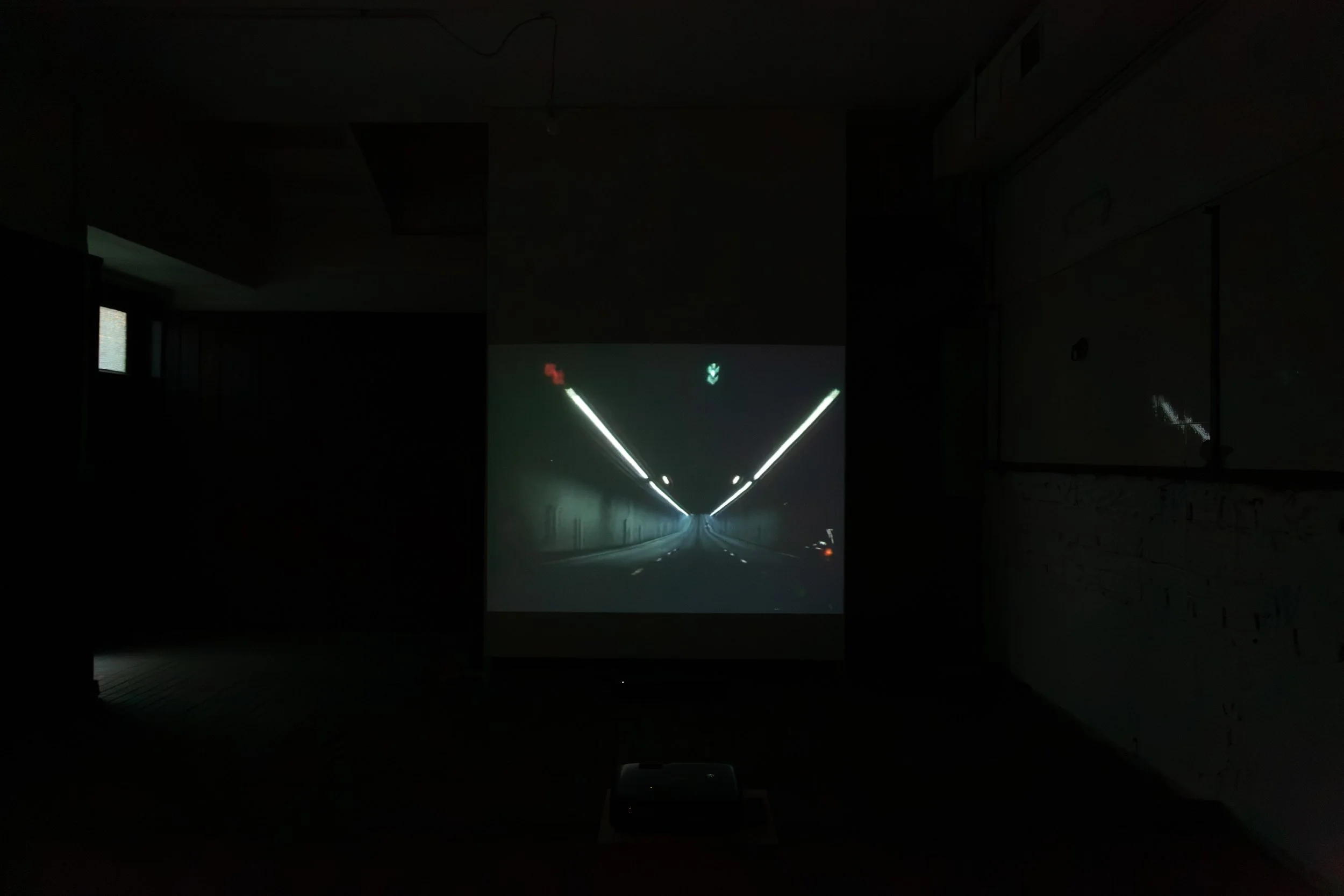
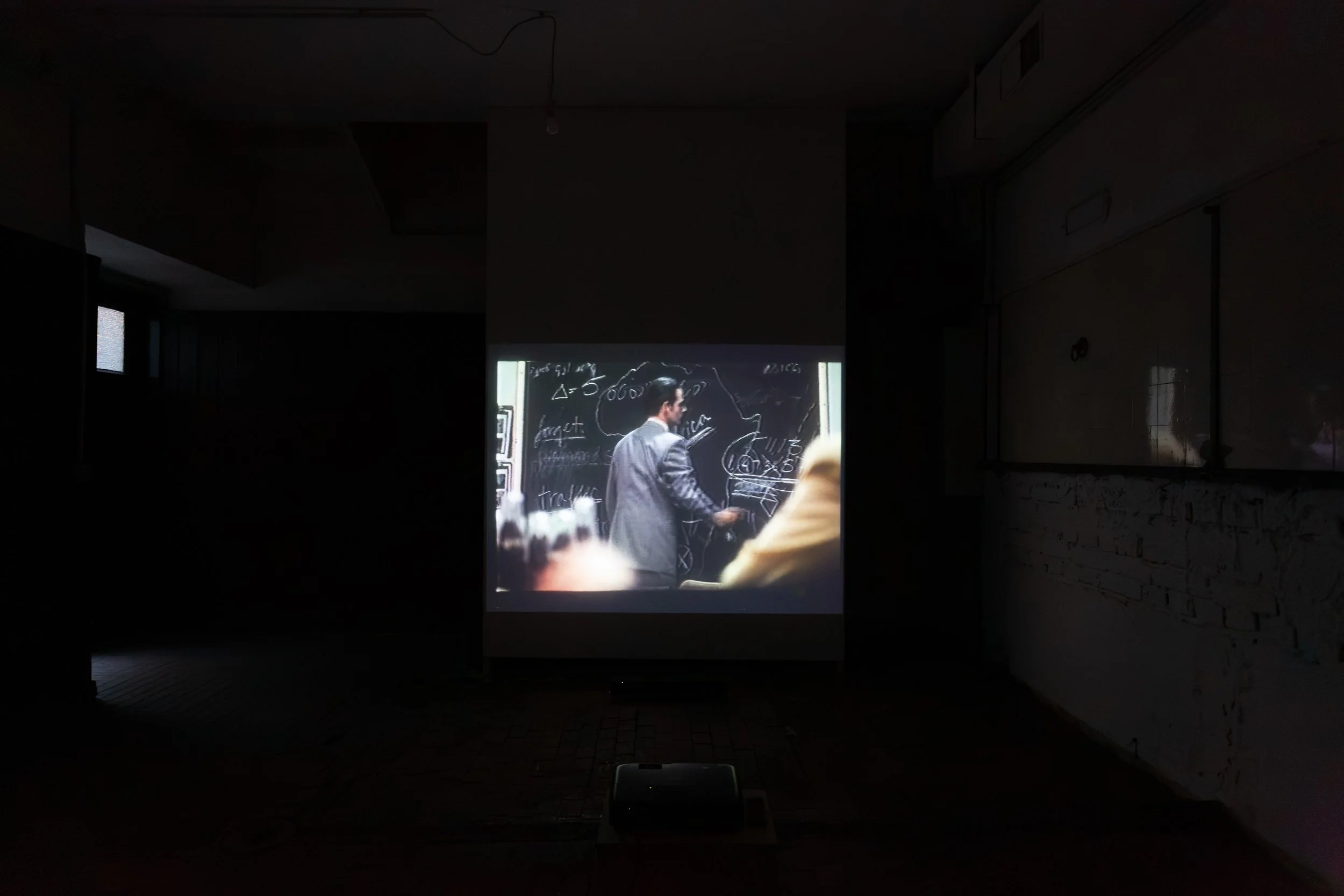
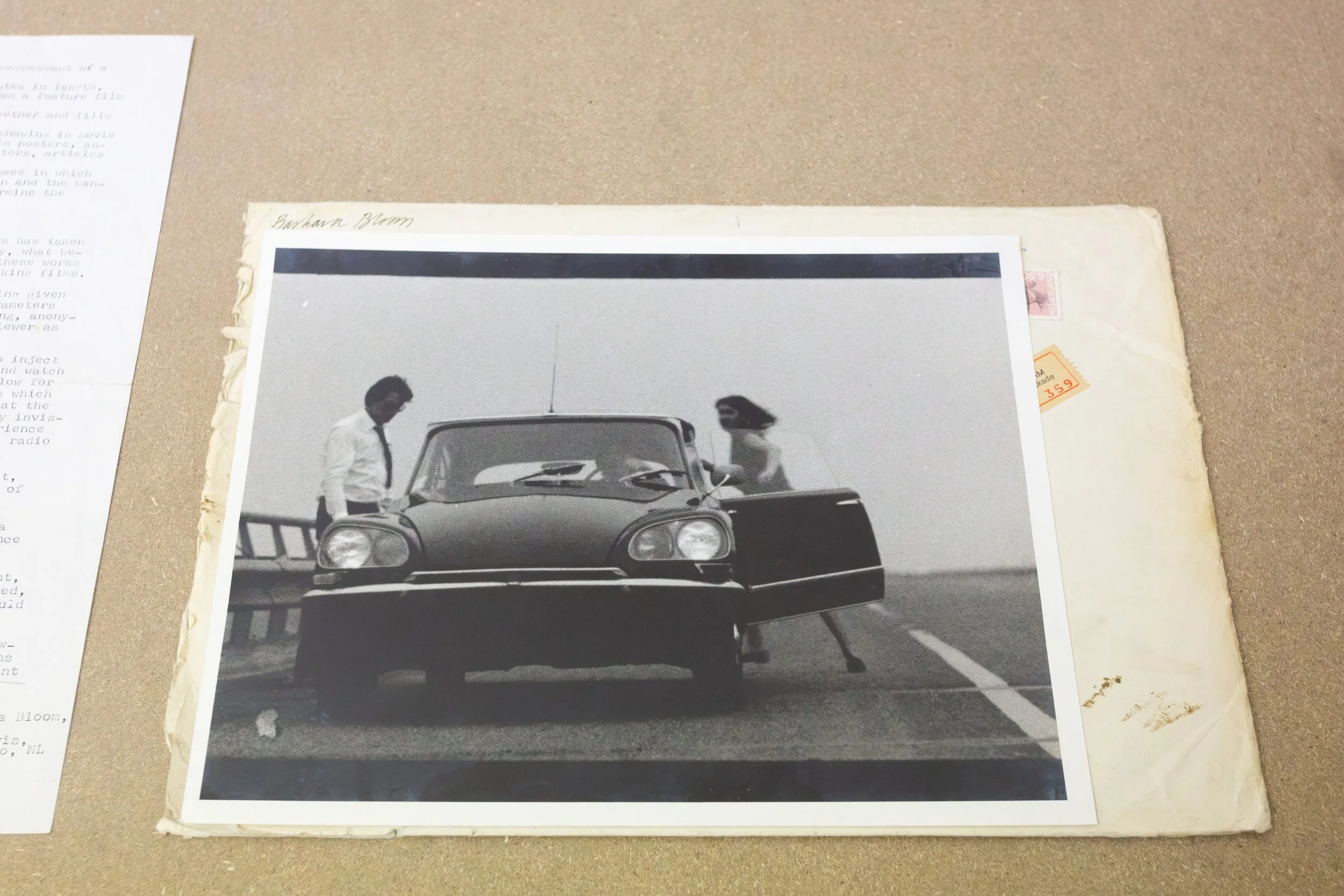
The Diamond Lane by Barbara Bloom was created between 1978 and 1980. The film has the characteristics of a trailer: highlights from a forthcoming film are presented, leading actors are announced, the public is invited to go and see the film, and all this in only five minutes. The film being announced does not in fact exist, Bloom has confined herself to this trailer. The announcement of a feature film is used both as a context and a medium proper. The Diamond Lane shows scenes which, at first sight, have nothing to do with one another. We see a highway, while a voice-over tells us something about ‘the diamond lane’, the outermost lane of a highway which can only be used by car poolers. The following scene shows a meeting room, with a voice-over telling us about ‘a game of twenty questions’. The scenes are linked together by thrilling music, returning actors and returning themes, but do not form a coherent story. They only develop into a story when the viewer, in his own way, begins to connect the scenes and the spoken text with each other.
The Diamond Lane was actually presented in the cinema as a trailer. At that same time, a promotion campaign for the fictitious film was initiated, including film posters, advertisements, interviews with the director and the actors, and articles about the film. All these elements together determined the way in which the public made up a story for themselves.
Sources: Mediakunst.net, General Idea, Mediakunst Professional; LI-MA – Living Media Art, Catalogue
___
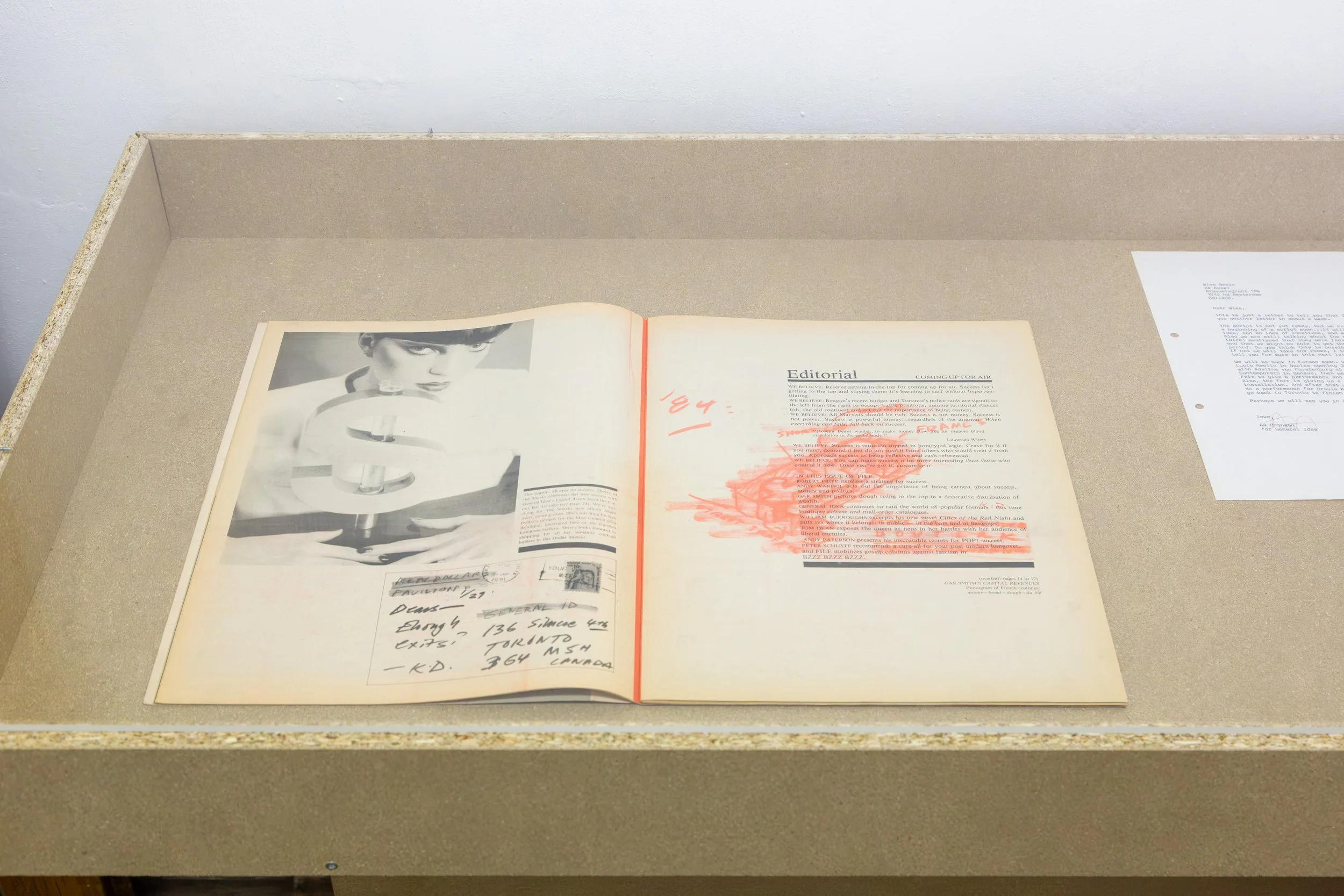
General Idea
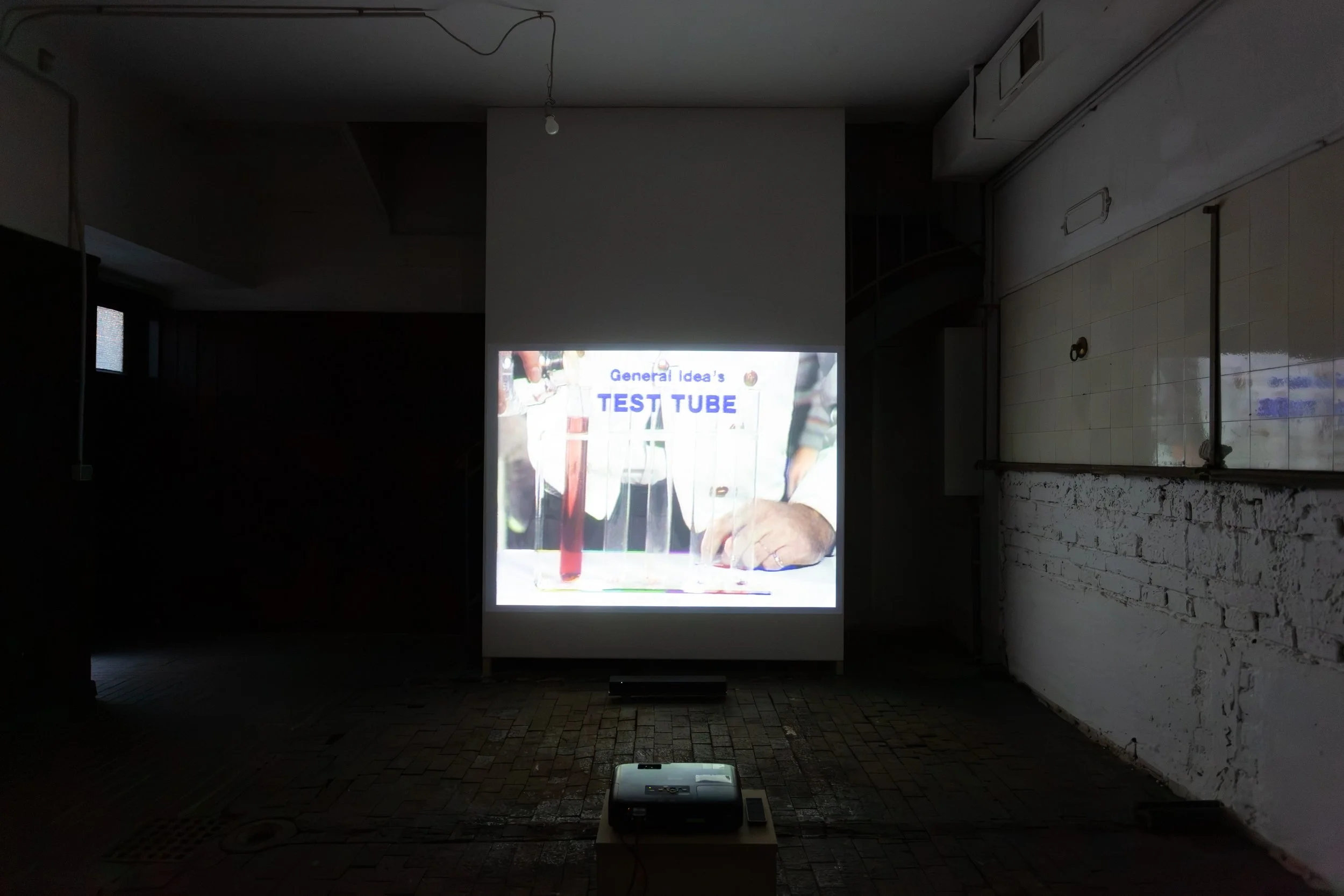
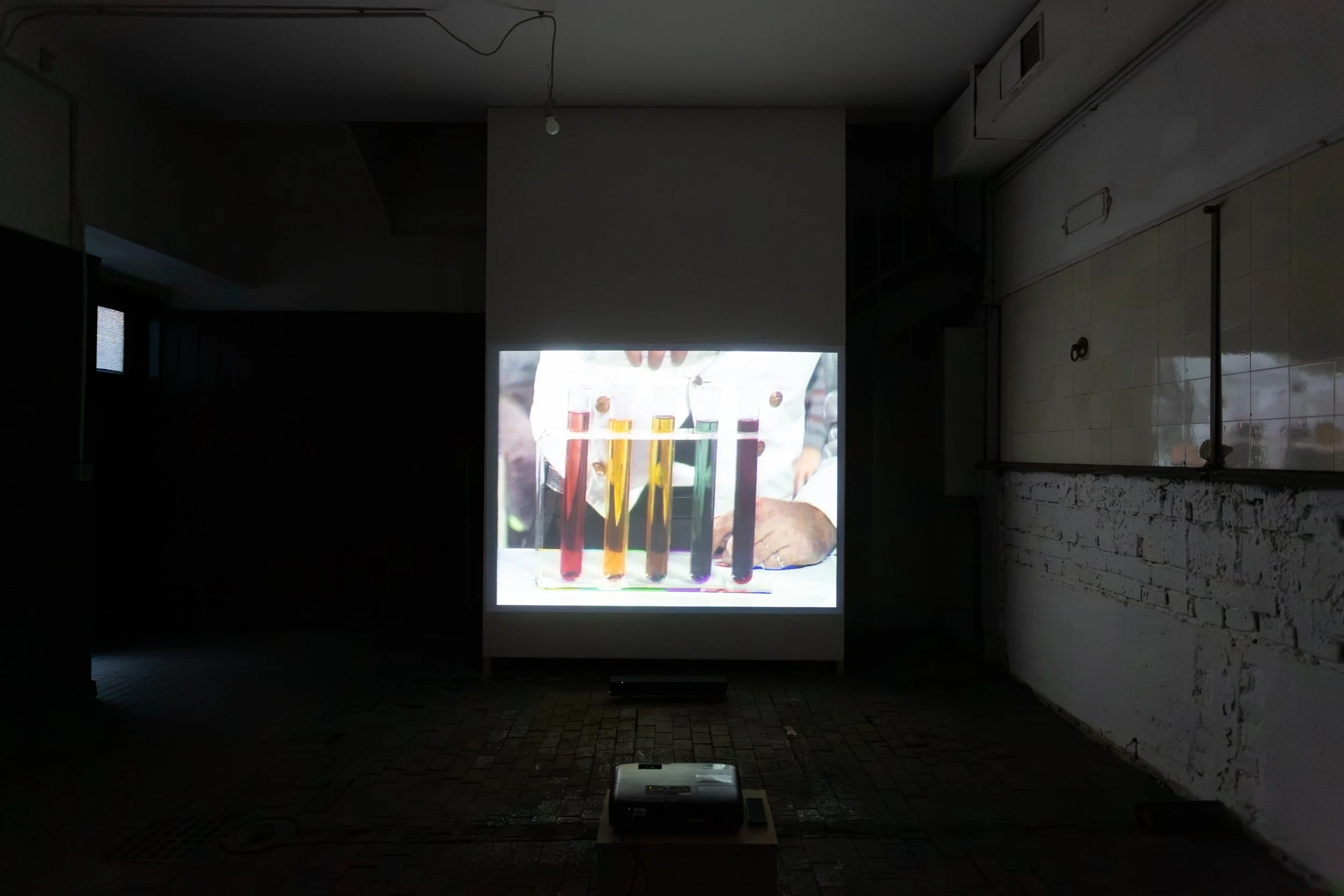
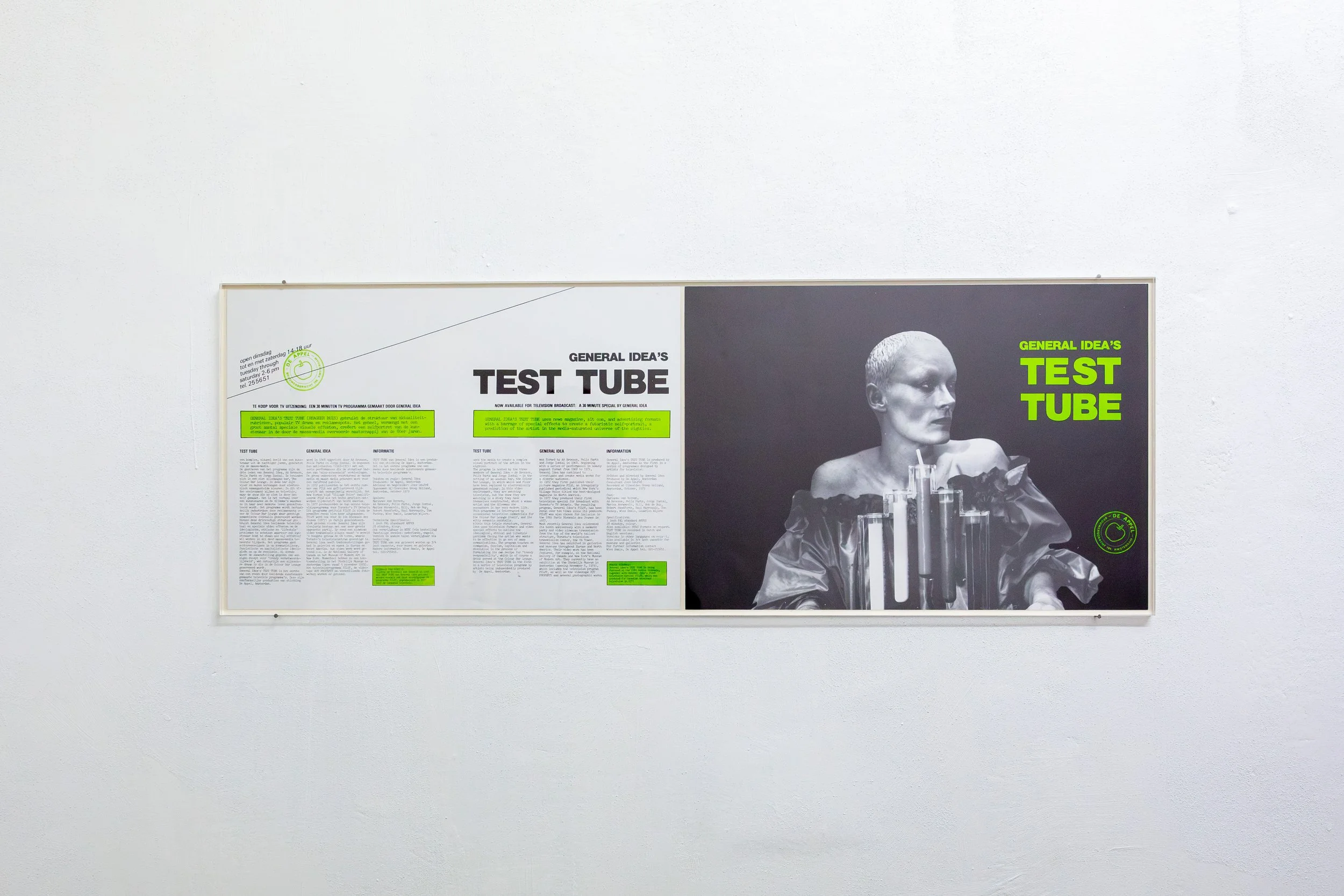
Test Tube
1979
Specifications: 1 inch PAL standard AMPEX, colour, 00:28:08
Collection & distribution: LI-MA Amsterdam
Written and directed by: General Idea; Produced by: De Appel, Amsterdam; Consultant: Joes Odufré; Recorded at: Cinevideo Groep Holland, Amsterdam, October, 1979
Cast: Marianne van Kersen, AA Bronson, Felix Partz, Jorge Zontal, Marina Abramovic, Bill, Bob de Buy, Robert Hanforth, Raul Marroquin, Tom Puckey, Wies Smals, Lowrien Wijers
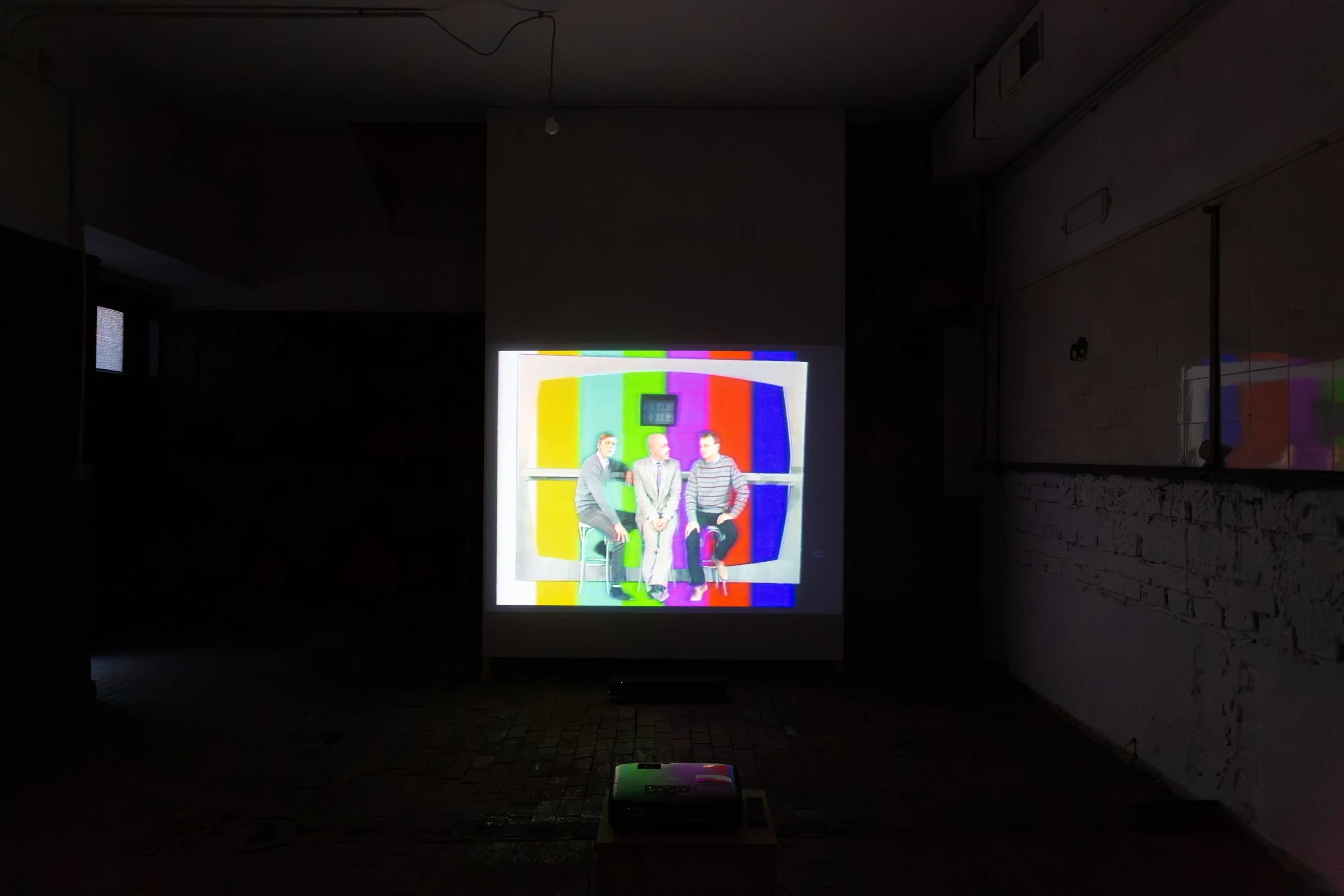
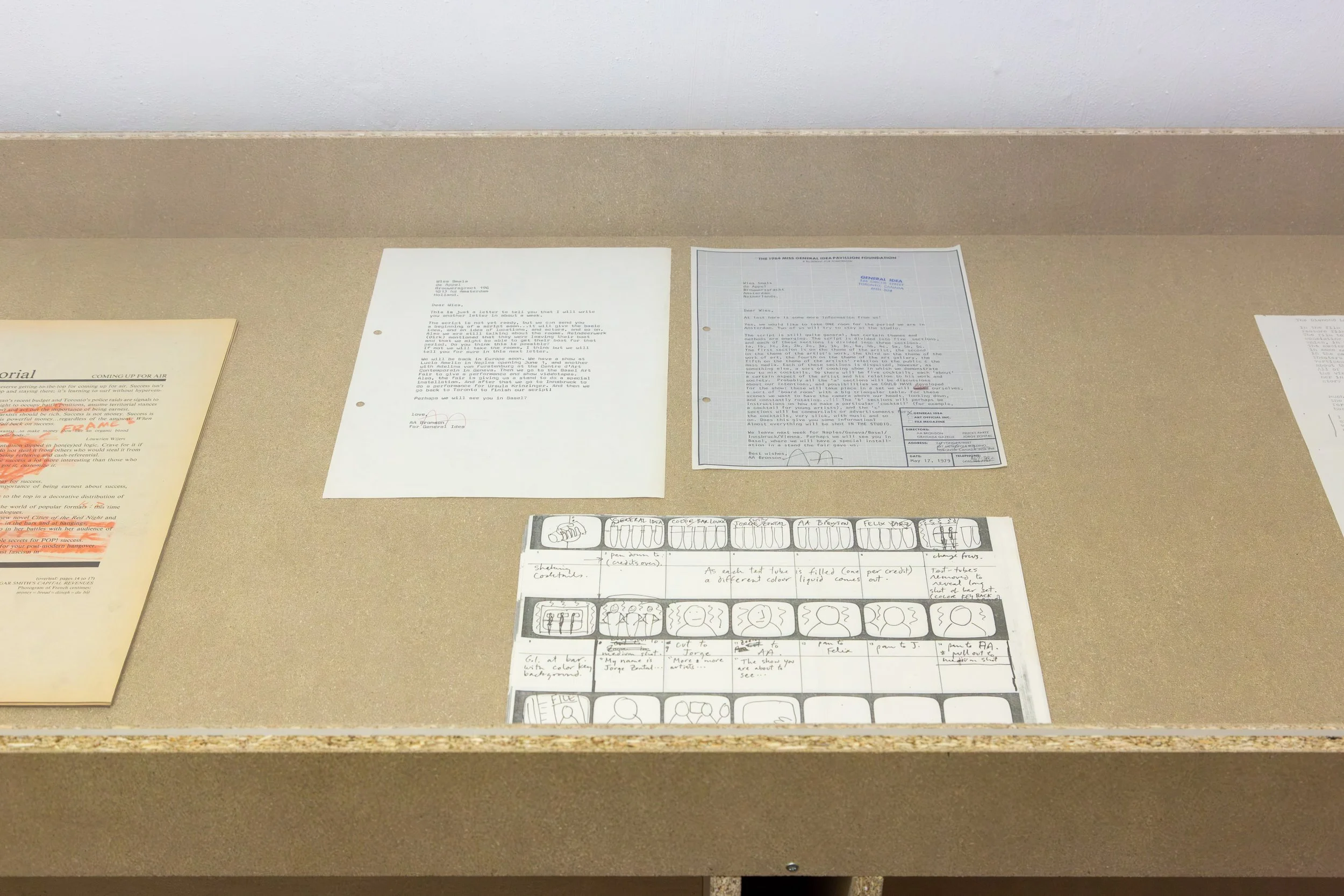
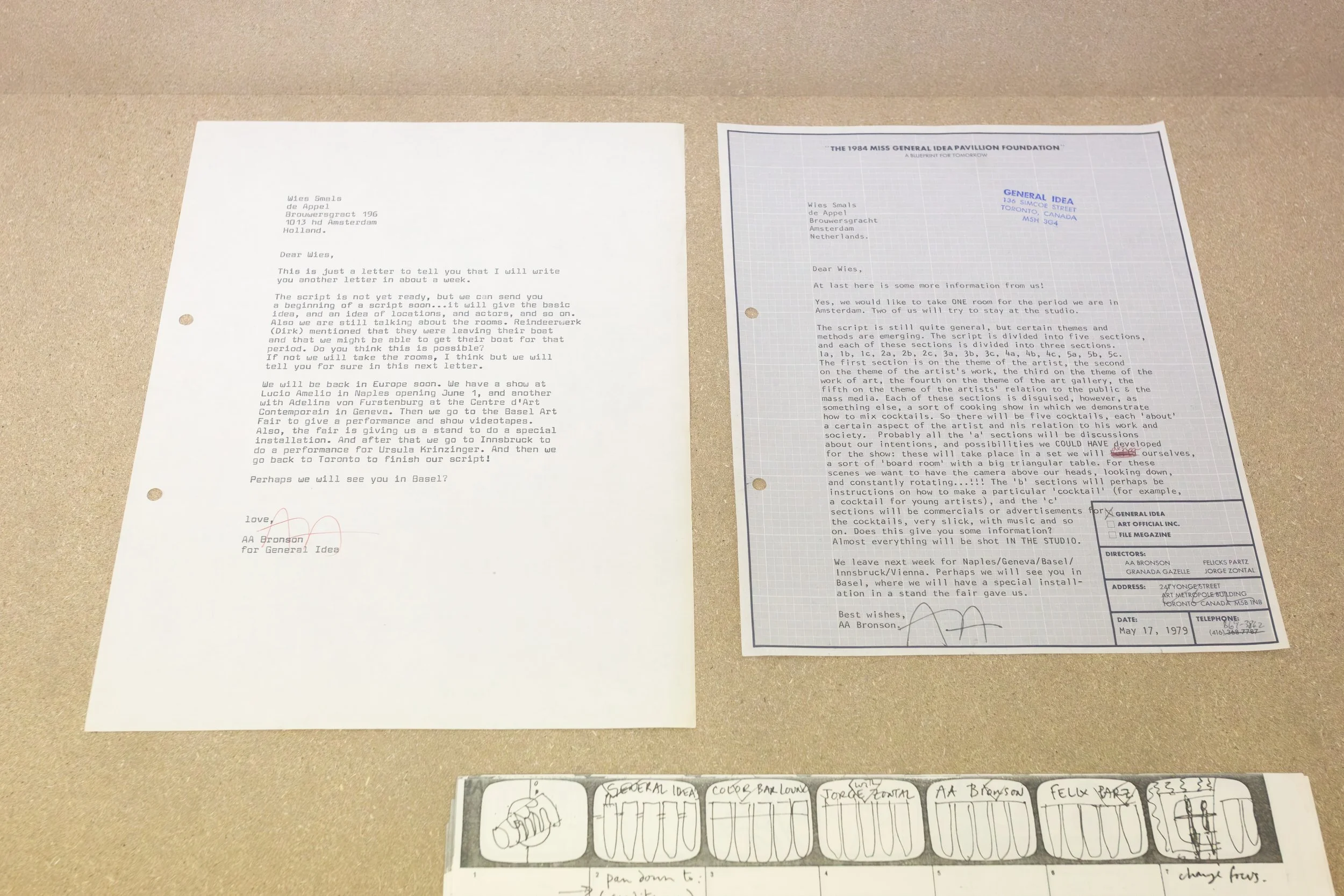
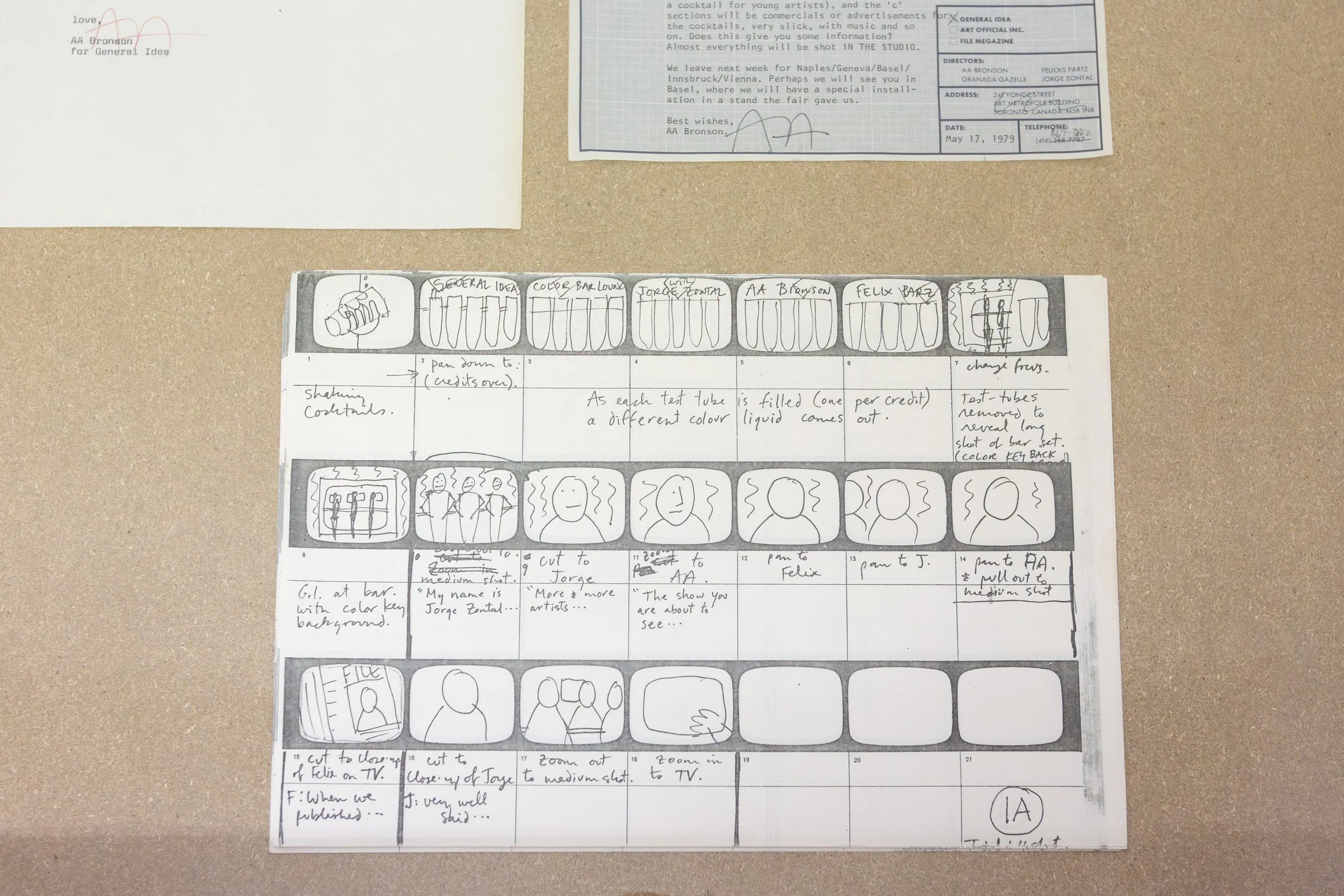
Produced by De Appel, Amsterdam, while General Idea was in residence there, Test Tube was conceived as the first of a series of programmes for television. In Test Tube, the Canadian group General Idea explores the artist’s precarious position in the era of the mass media. Variously appropriating the forms of a current affairs program, a commercial and a soap opera, General Idea considers the attitude that the artist should assume in order still to be effective in a culture which is saturated with mass media images and values. They present ‘the solution’ and ‘cocktails of meaning’ in the ‘research center of the color bar lounge.’ The artist’s strategy could involve beating the media at their own game. General Idea argues for artists’ increased awareness of their media environment. It is only when they can see through the mechanisms of the media that they can then deflate them and adapt them to their own needs.
Sources: Mediakunst.net, General Idea, Mediakunst Professional; LI-MA – Living Media Art, Catalogue
Test Tube uses the media to create a complex visual portrait of the artist in the eighties. The program is hosted by the three members of General Idea - AA Bronson, Felix Partz and Jorge Zontal - in the setting of an unusual bar, the Colour Bar Lounge, in which walls and floor have been replaced by electronically generated colour. In this video environment, they are watching television, but the show they are watching is a story they have themselves constructed, about a woman artist and the dilemmas she encounters in her very modern life. This programme is interrupted by occasional television commercials for the Colour Bar Lounge itself, and its witty semantic cocktails.
Within this triple structure, General Idea uses television formats and video special effects to outline the ideological, ethical and lifestyle problems facing the artist who wants to be effective in an era of mass communications. The program touches on communism, fascism, capitalism and revolution in the process of formulating its own recipe for ‘trendy responsibility’, which is of course a drink served at the Colour Bar Lounge. General Idea’s Test Tube is the first in a series of television programs by artists being independently produced by De Appel, Amsterdam.
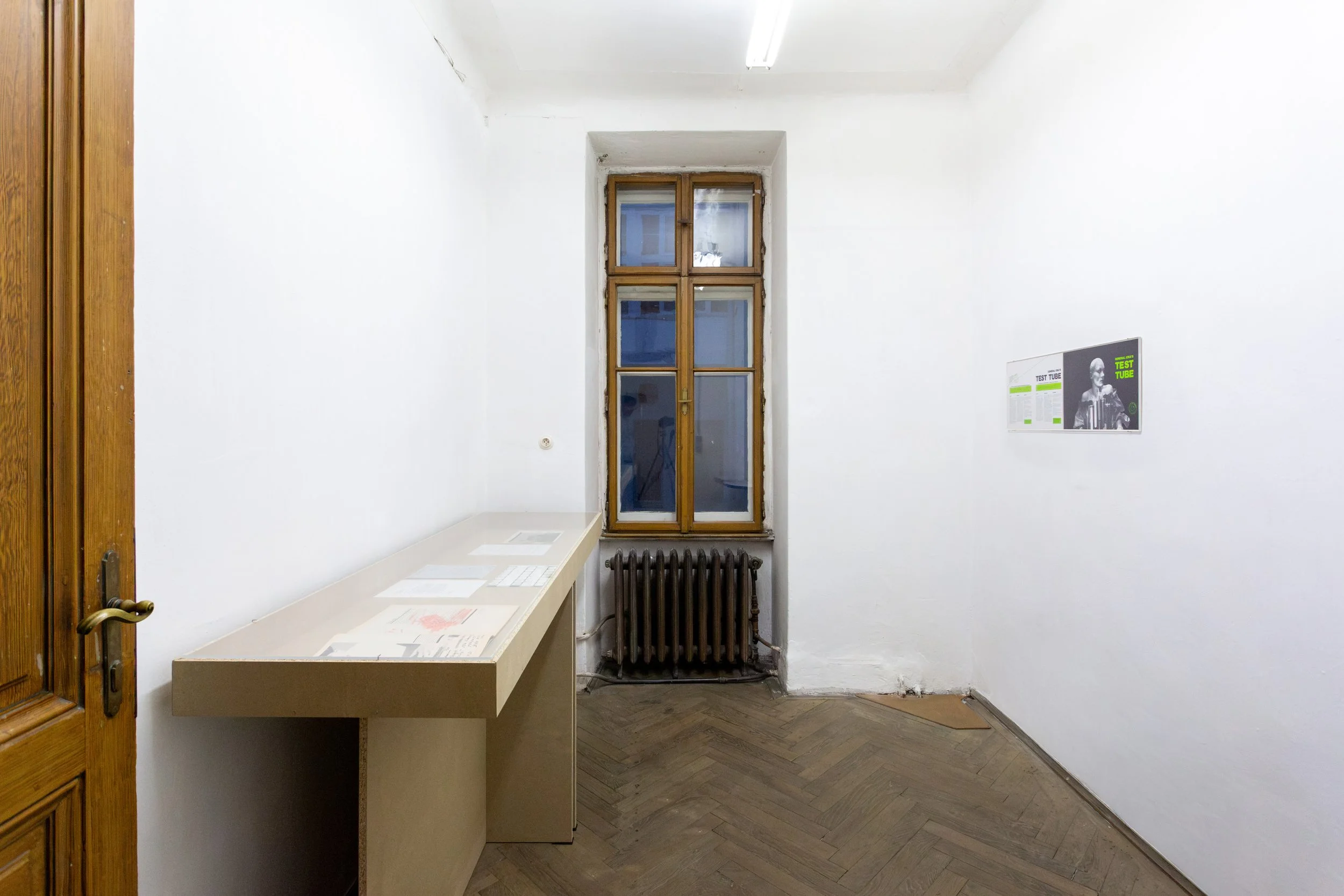
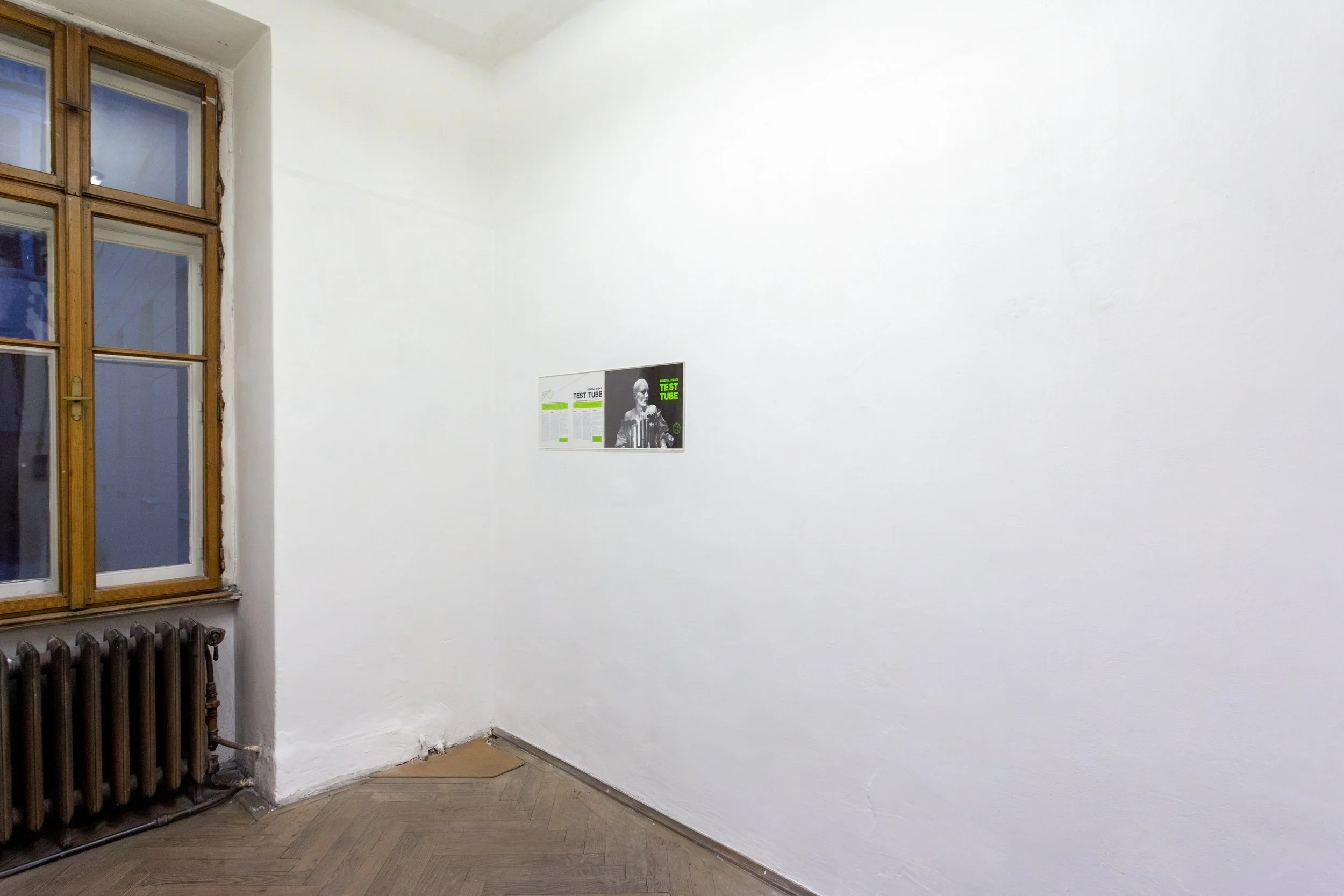
Text from: General Idea, Test Tube, Affiche, 1979 (fig47, fig48)
(Photos: fig1-55 Aaron Amar Bhamra / Laurenz)